
Project Description
Amina’s Wild Herbal trekking NOTES
22 Herbs identified at Hillier Retreat (within a 500 m radius of each other).
- Cobblers pegs (Bidens pilosa)
240 known species, 201 compounds in this herb alone. 900 mentions in pub med. Scientific studies show it can help up to 40 diseases.
Actions: Anti cancer, Ant inflammatory, Anti diabetic, Anti oxidant, Immunomodulatory, Anti malarial, Anti bacterial, Anti parasitic, Anti fungal, Hypotensive, vasodilatory and wound healing
- Cats ear (Hypochoeris radicata) Similar to Dandelion in appearance.
- Dandelion (Taraxacum officinale)
- Wild carrot (leptophylyllium)
- Blue tops (Ageratum conyzoides)
Common: Billy goat Weed, Ageratum – Greek ‘a geras’ non aging referring to longevity of plant and flowers.
High in alkaloids.
Moth repellent, Insecticides, prostate
Can rub the flowers onto insect bites. Aborigines mashed the plant and applied to wounds. Similar uses in Nigeria.
Used in India for prolapses and South America for Metrorrhagia (irregular menses).
- Nodding tops (Crassocephum crepidioloides) Redflower rag leaf
Liver and gall bladder medicinal uses. Leaves taste like carrot and can be added to salads and pestos
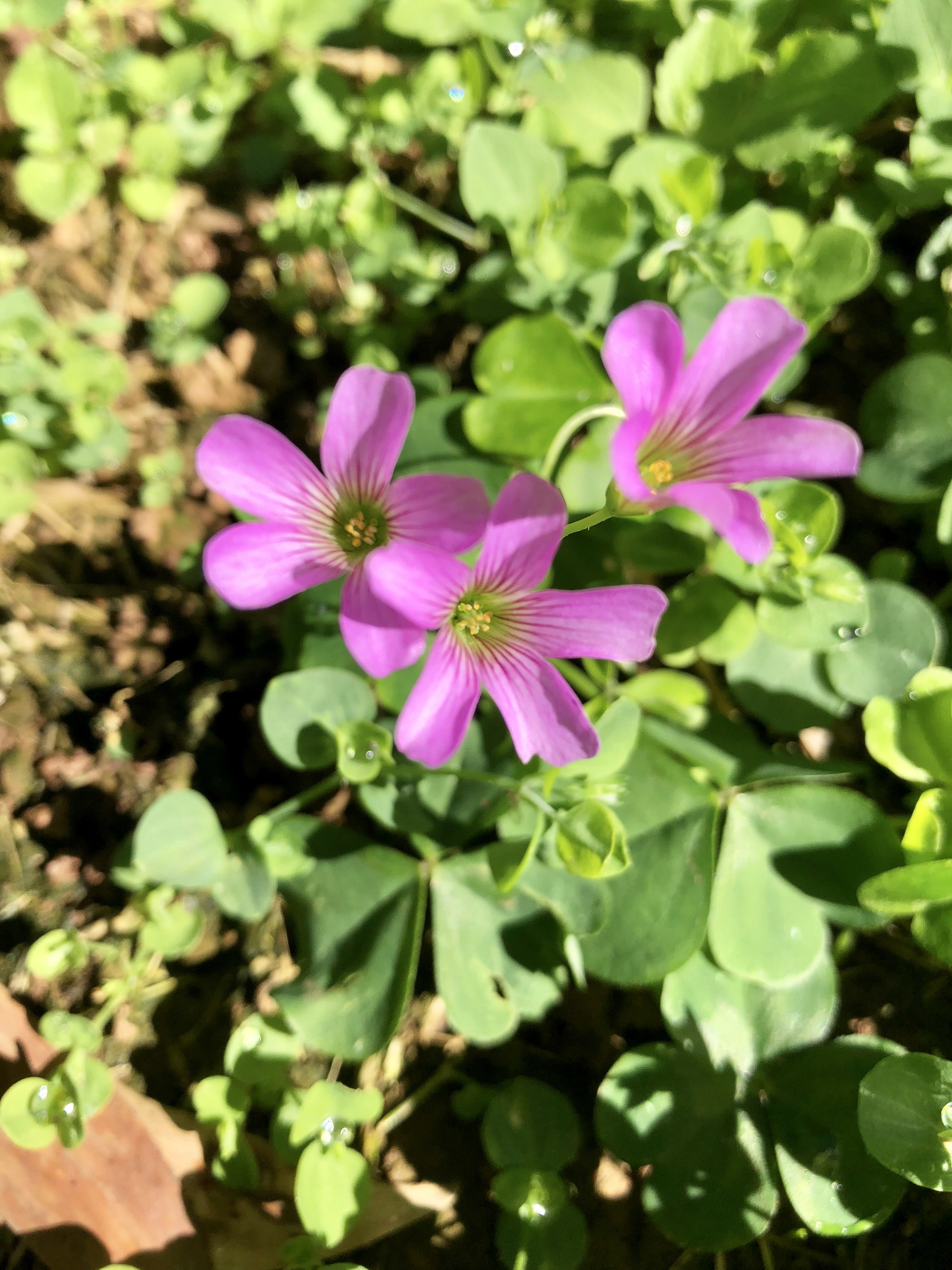
- Australian sorrel (Oxalis acetosella)
Flowers have very tangy but sweet flavour, very high in vitamin C
Great remedy for mouth ulcers
Note: C/I for those with sensitivities to oxalates
- Gotu kola (Centella asiatica)
Indian Penny wort, Skin diseases, locally and for leprosy.
Beneficial in treating skin diseases and strengthening circulation.
Rich in vitamins, A, B, C and D ((Shippard, I), Gotu Kola is a wonderful herb for promoting healing, as an anti-inflammatory and nervine tonic. It is also helpful in restoring those depleted adrenal glands.
1000 documented studies on Pub med demonstrating its valuable properties.
One recent study on pub med call this “A potential Herbal Cure –all (Kashmira J, Jagruit A , Indian J Pharm Sci, 2010) for wound healing, eczema, psoriasis, diarrhea, fever, lupus, anxiety, depression and improving cognition.
- Chick weed (Stellaria media)
White star shaped flowers, For inflammation and ulceration
Gret sourse of viatmin C, chlorophyll and minerals
Can be used in salads or juices as mild
- Tropical chickweed (Drymaria Cordata)
medicine in Africa and India traditionally. Studies show it to be analgesic (pain relieving) and anti-pyretic (helps with fevers and hot sweats) comparably with aspirin (AJ Akindele, 2011). Another study proves it to be antitussive (reduces the severity of coughing) (Mukherjee PK). topically for wounds, eczema and dermatitis (blend with vitamin E cream base). Makes a great soother for sore joints when made into a poultice. In food, it is high in vitamin C, A and B vitamins, minerals such as silica, iron, magnesium, zinc, potassium, chromium and manganese.
- White clover (Trifolium repens) Gout, eye wash
- Sow thistle (Sonchus oleraceus)
- Fleabane (Conyza bonariensis)
Rich in minerals, An astringent and named after an insecticide towards fleas. spasmolytic constituents and traditionally the leaves have been used to treat IBS.
- Purslane (Portulaca oleracea)
(Pig weed, Horse money) Can be eaten raw or cooked and a great source of vitamin C and omega 3 essential fatty acids.
- Raspberry leaves (Rubus idaeus) 16. (Rubus hillii)
Leaves contain active constituents of triterpenoids rubusinic acid and rubutinic acid.
Medicinal: Pregnancy tonic (2nd and 3rd trim.) and to prepare for pregnancy.
Upset stomachs and diarrhoea as an astringent. Mouth ulcers
- Dock leaves (Rumex crispus)
For liver Qi stagnation and constipation issues
- Ribwort (plantago lanceolata)
Rich in minerals, dry coughs and brochitis
- Violets Can be added to salads
- Stinging nettles (Urtica diotica) Leaf – fluid retention, Roots – good for men’s prostate health
- Black nightshade (Solanum nigrum)
Flowers, white star shaped petals
Confused with Deadly nightshade (Atropa belladonna) – purple flowers
- Milk thistle (Silybum Marianum) Not native, Edible roots when plant cut down.