Tilia cordata, Tilia platyphyllos
Lime Flowers (Linden)
Lime flowers (linden) are a gentle traditional herb long valued to soothe tension, settle the nervous system and ease the discomfort of colds. A profile from Amina's herb database.
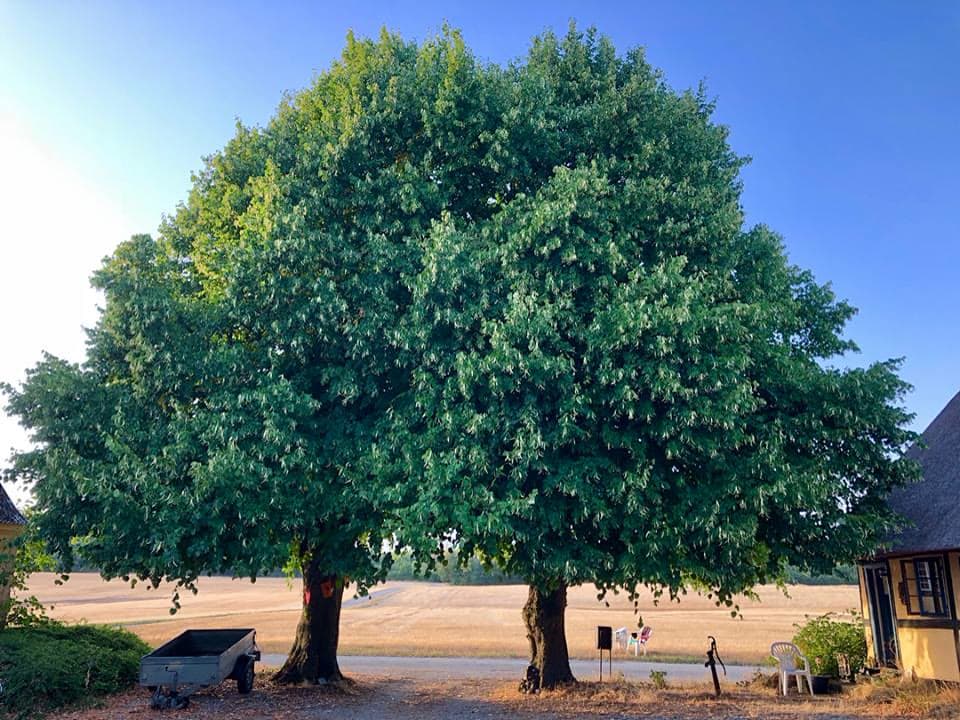
Lime flowers, often called linden (or tilleul in France and lind in Denmark), come from the tall, graceful Tilia trees that line streets and gardens across Europe. Despite the name, they have nothing to do with the citrus lime. The fragrant summer blossoms have a long history of gentle use as a calming, comforting herb, and the leaves are sometimes brewed as a tea as well.
Traditional and historical use
Across European folk traditions, lime flowers have long been valued to:
- Soothe a busy, tense mind and support a sense of calm
- Settle nervous tension and ease feelings of anxiousness
- Work with the cardiovascular system, traditionally associated with comfortable blood pressure and the easing of palpitations
- Comfort the body during fevers, colds and flus, where it has been taken as a warm tea
- Ease the discomfort of tension-related and migraine headaches
The flowers were a staple of the household tea cupboard in many parts of Europe, prized for their honeyed aroma and their reputation as a soft, dependable evening drink.
How Amina considers it
In Amina's practice, lime flowers are one of many gentle nervine herbs that may be considered for people carrying sustained tension, particularly those living with chronic illness such as Lyme disease where the nervous system and cardiovascular system are under ongoing load. Because every person is different, lime flowers are only ever chosen as part of an individualised plan, alongside the wider picture of someone's health. To explore what might suit you, see consultations.
Safety and considerations
Lime flowers are generally regarded as gentle, which is part of why they have such a long history as an everyday tea. Even so, no herb suits everyone. Herbs can interact with medications, including those for blood pressure and the heart, and what is appropriate varies from person to person and during pregnancy. Always seek advice from a qualified practitioner before use, especially if you are managing an existing health condition. You are welcome to get in touch with any questions.
This profile is educational and describes traditional use. It is not a treatment recommendation.
More from the herb database
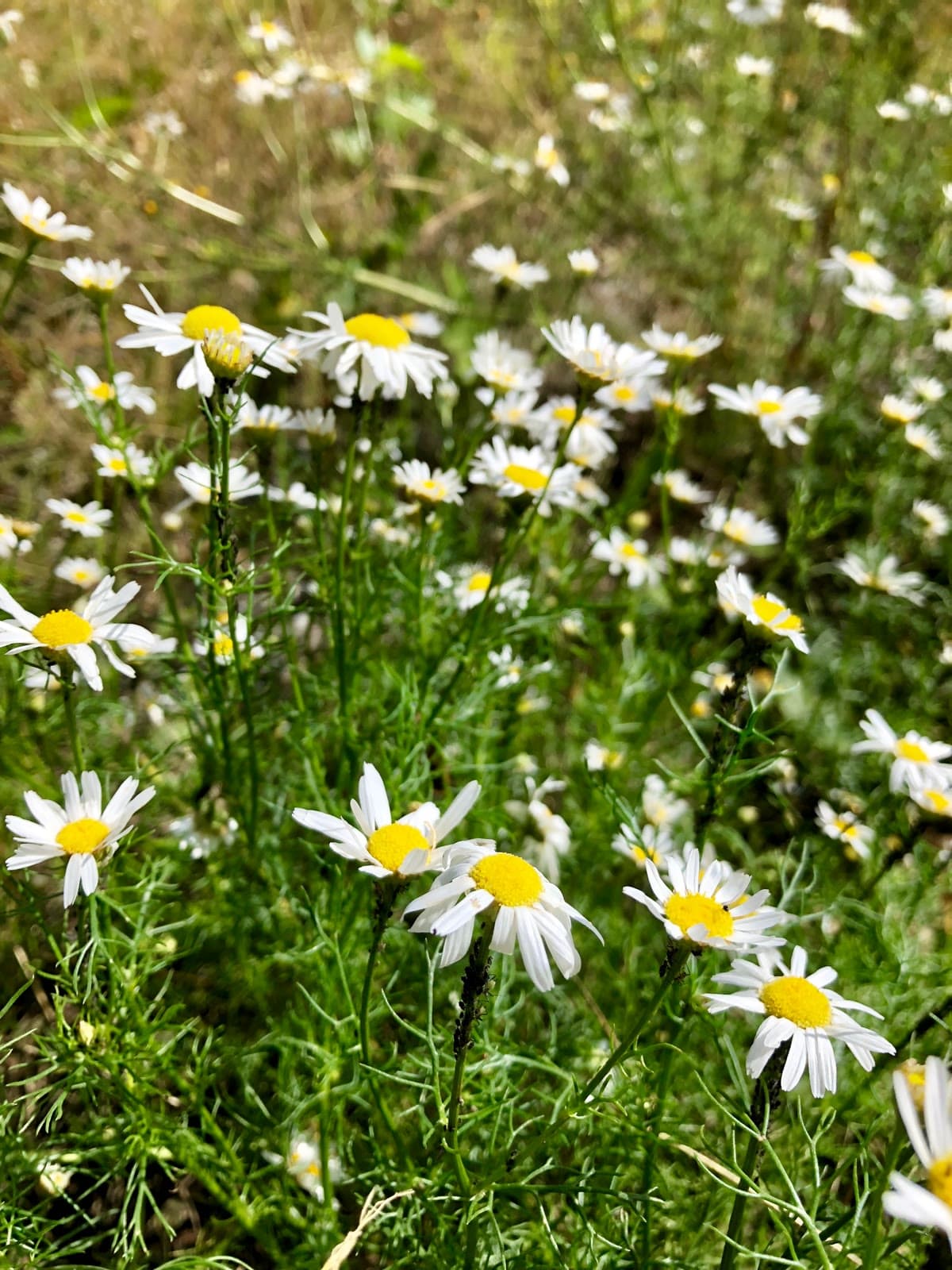
Chamomile
Chamomile is a gentle, well-tolerated herb traditionally used to calm the gut, settle the mind and support restful sleep. A botanical profile from Amina's herb database.
Read more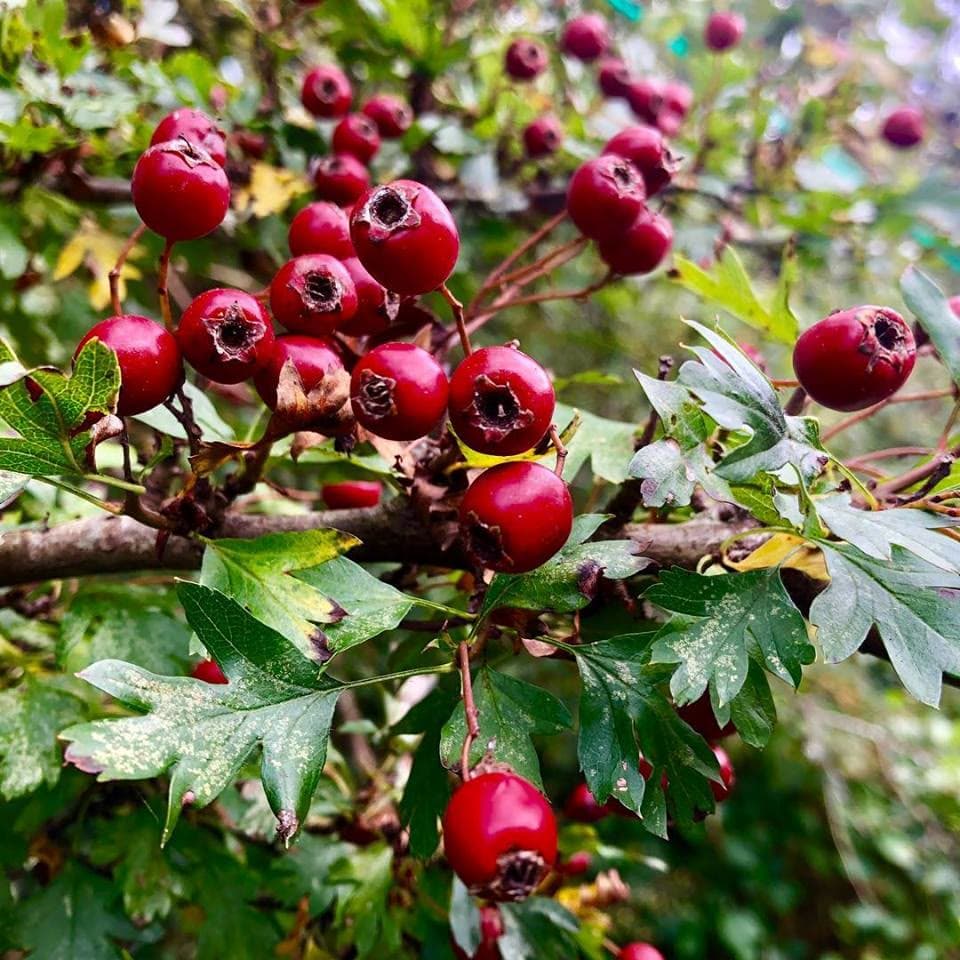
Hawthorn
Hawthorn (Crataegus monogyna) is a hedgerow tree traditionally valued as a herb for the heart. A botanical profile from Amina's herb database.
Read more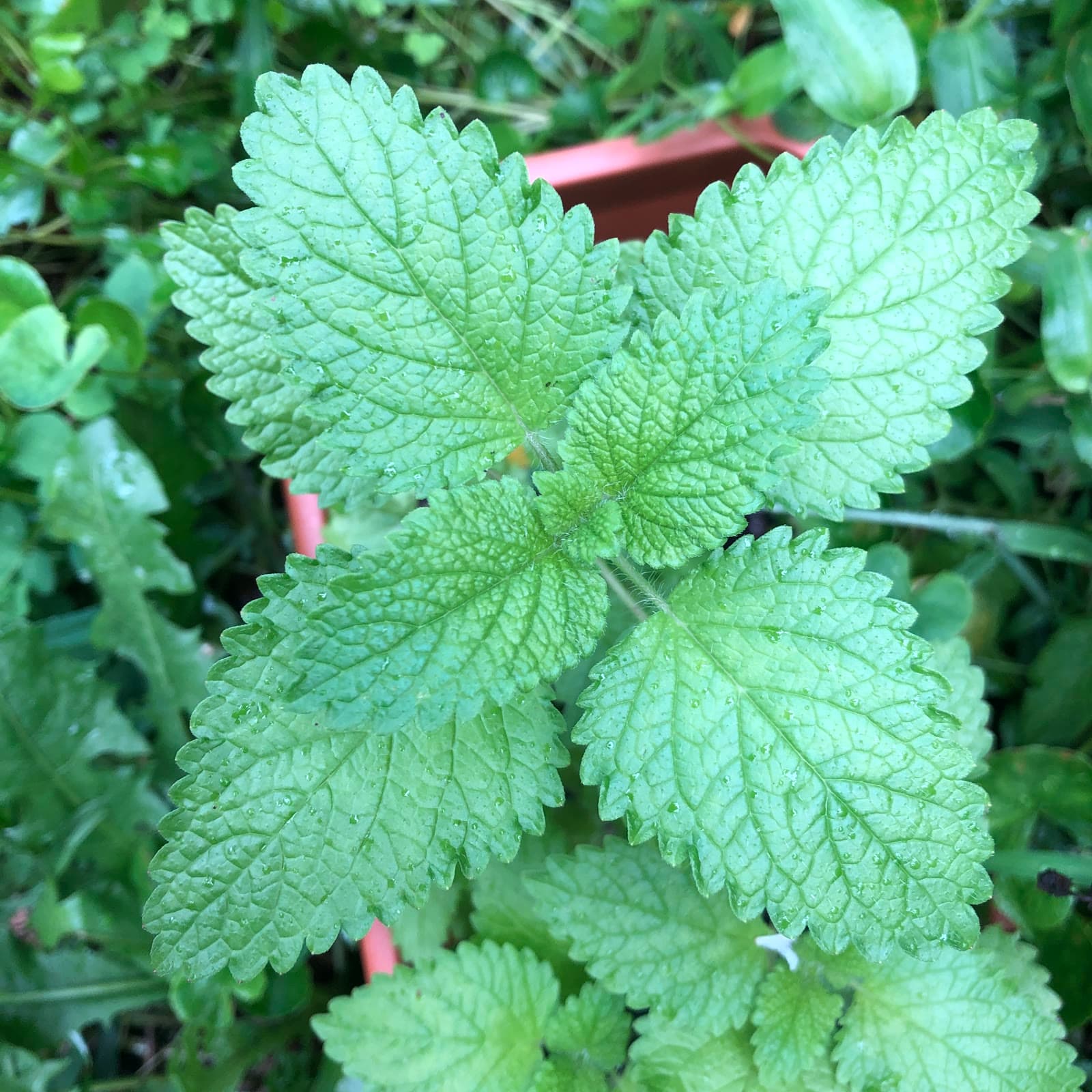
Lemon Balm
Lemon balm (Melissa officinalis) is a fragrant garden herb traditionally valued to calm the nerves, settle digestion and lift the spirits. A botanical profile from Amina's herb database.
Read moreReady to find some answers?
Book an initial consultation with Amina, online or by phone, Australia-wide.