Origanum majorana
Marjoram
Marjoram is a fragrant Mediterranean culinary herb traditionally valued for digestion and warmth. A botanical profile from Amina's herb database.
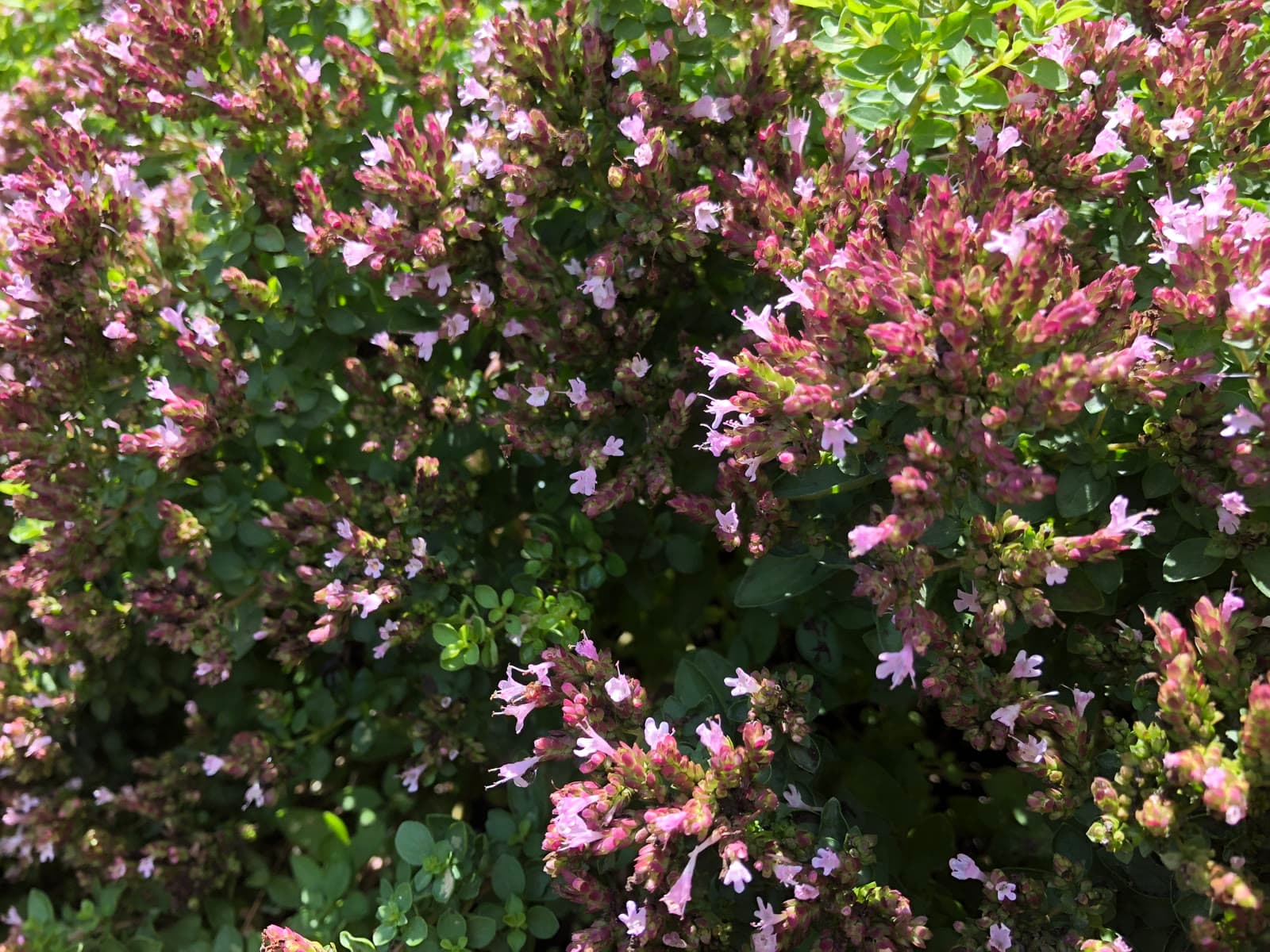
Marjoram is a sweet, aromatic herb from the mint family, long woven into the cooking and folk traditions of the Mediterranean. Its botanical name is Origanum majorana, and in Greek its common name carries the lovely meaning "joy of the mountain". A close relative of oregano, marjoram has softer, slightly sweeter and more woody leaves, with the square stems typical of the Lamiaceae family.
Traditional and historical use
Marjoram has a rich history in kitchen gardens and folk custom across Greece, France and the broader Mediterranean. Traditionally it has been:
- Grown as a staple culinary herb, fresh in salads and dried in cooking, and counted among the French "herbes de Provence"
- Associated in ancient Greek custom with love and celebration, with wreaths of marjoram said to be linked to the goddess Aphrodite
- Valued in traditional use as a warming herb thought to support comfortable digestion
- Used historically to support the digestive system and ease the feeling of an unsettled stomach
- Appreciated in aromatherapy for its pleasant, calming scent
The aromatic essential oils that give marjoram its distinctive fragrance are also what made it a favourite for both the table and traditional home use.
How Amina considers it
In Amina's practice, marjoram is one of many gentle, food-grade herbs that may be considered as part of a wider approach to digestive comfort and everyday wellbeing. It is the kind of herb that sits naturally between the kitchen and the dispensary, and it is always chosen as part of an individualised plan rather than used in isolation. If you would like a tailored approach, you can read more about working together on the consultations page or get in touch.
Safety and considerations
Marjoram is widely used as a culinary herb and is generally considered low risk in food amounts. Concentrated forms such as essential oils are far stronger than the leaf used in cooking and should be treated with care, never taken internally without qualified guidance. As with any herb, individual sensitivities are possible, and marjoram is not appropriate for everyone, including in some pregnancy situations. Always seek advice from a qualified practitioner before therapeutic use.
This profile is educational and describes traditional use. It is not a treatment recommendation.
More from the herb database
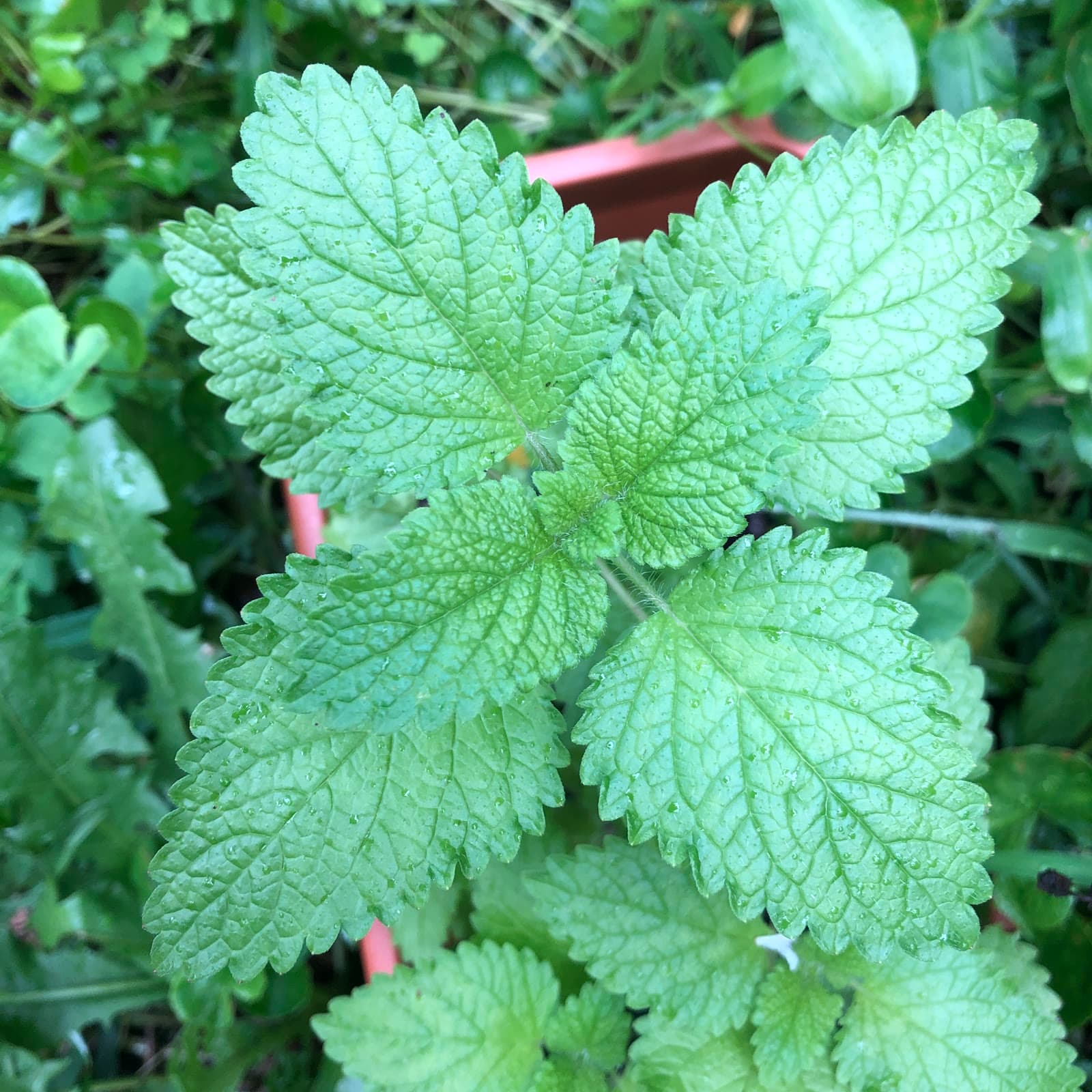
Lemon Balm
Lemon balm (Melissa officinalis) is a fragrant garden herb traditionally valued to calm the nerves, settle digestion and lift the spirits. A botanical profile from Amina's herb database.
Read more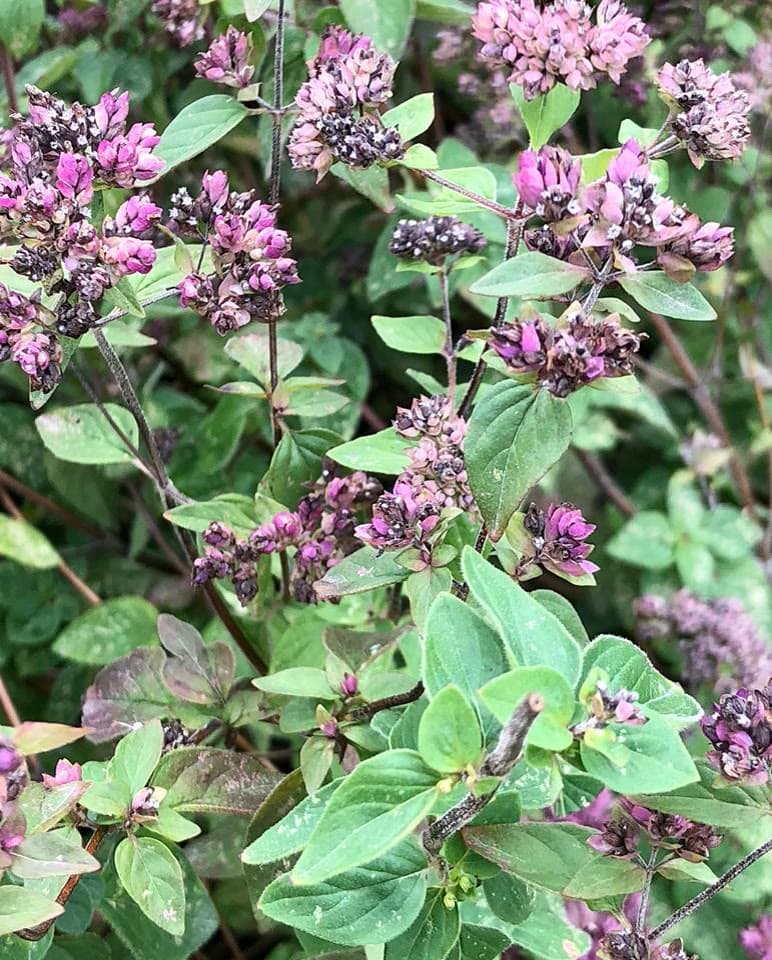
Oregano
Oregano (Origanum vulgare) is an aromatic culinary herb traditionally valued for gut and microbial balance. A botanical profile from Amina's herb database.
Read more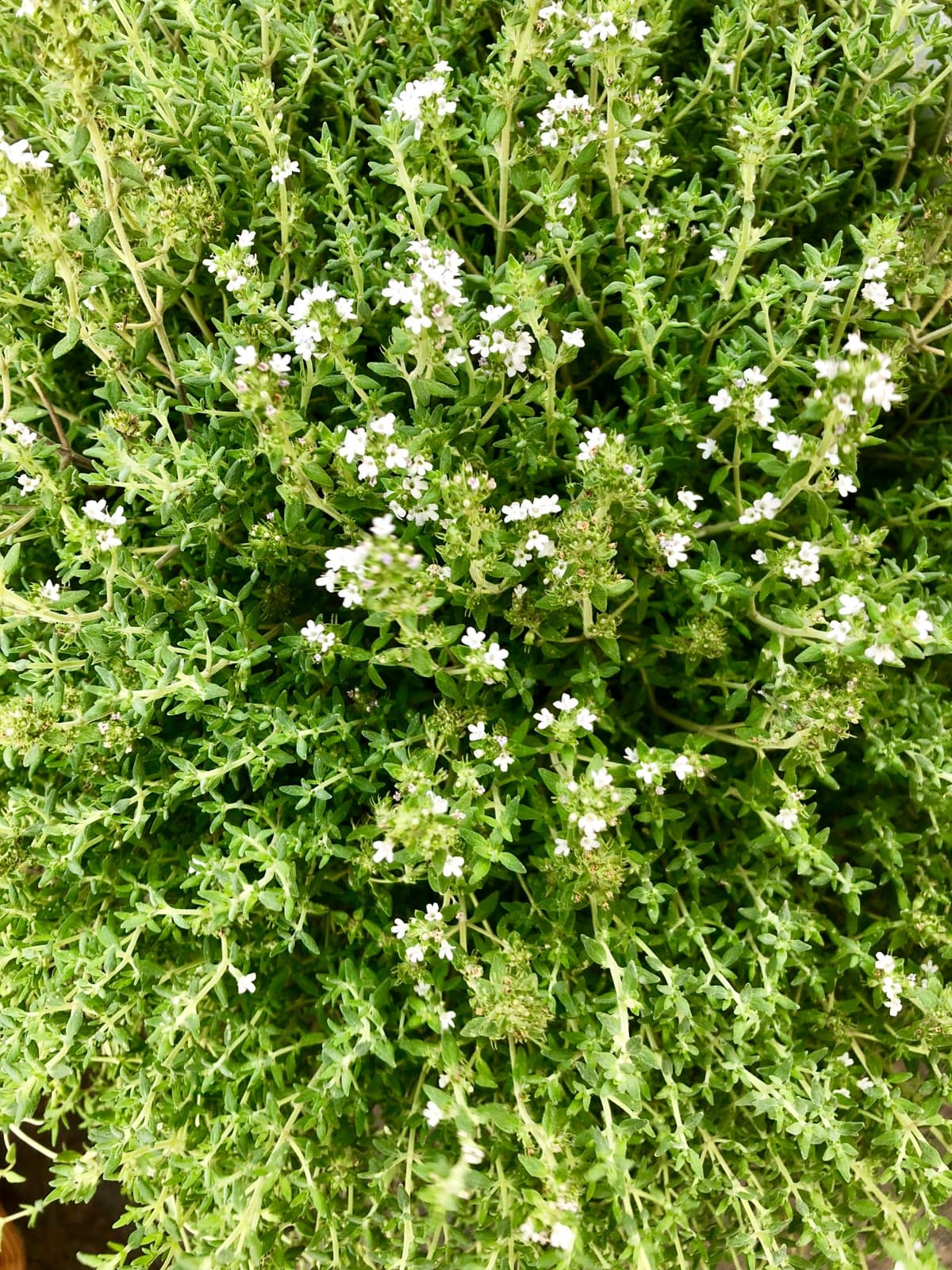
Thyme
Thyme is a common garden herb traditionally valued for the respiratory tract, antimicrobial support and gut balance. A botanical profile from Amina's herb database.
Read moreReady to find some answers?
Book an initial consultation with Amina, online or by phone, Australia-wide.