Olea europaea
Olive Leaf (Olea europaea)
Olive leaf (Olea europaea) has a long Mediterranean tradition as a bitter tonic and antioxidant herb. A botanical profile from Amina's herb database.
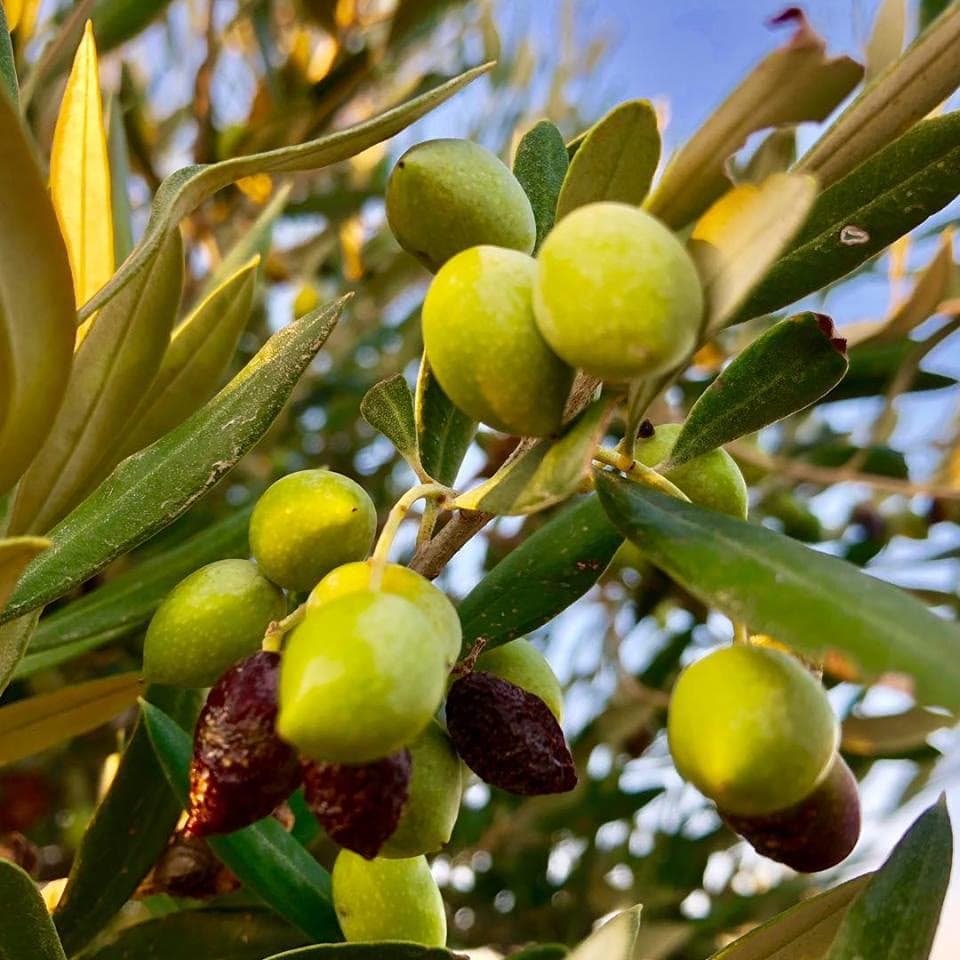
Olive leaf comes from Olea europaea, the same tree that gives us olives and extra virgin olive oil. Across the Mediterranean, where some olive trees are said to be hundreds or even thousands of years old, the leaf has a deep folk tradition as a bitter tonic and a herb associated with longevity and the well-known Mediterranean way of eating.
Traditional and historical use
Olive leaf has been valued across Mediterranean herbal traditions, where it has historically been used to:
- Work as a gentle bitter tonic for the body
- Support healthy blood pressure already within the normal range, with a traditional reputation as a hypotensive herb
- Offer antioxidant support and help with general wellbeing
- Sit alongside extra virgin olive oil, a traditional source of omega-9 fatty acids, as part of the broader Mediterranean diet
The leaf is rich in polyphenols, the plant compounds that researchers continue to study with interest. Traditional use frames olive leaf as a supportive, food-adjacent herb rather than a remedy for any specific condition.
How Amina considers it
In Amina's practice, olive leaf is one of many botanicals that may be considered as part of a wider plan, often where a gentle bitter tonic and antioxidant support fit the overall picture, including alongside complex and stealth infections. It is always chosen on an individualised basis and woven into a tailored approach, never used in isolation or as a standalone fix. If you would like to explore whether it suits your situation, you can read more about working together on the consultations page.
Safety and considerations
Olive leaf is generally well tolerated and has a long history of food and tonic use. Because of its traditional association with supporting healthy blood pressure, it warrants care for anyone already taking blood-pressure medication, where it may interact. As with any herb, it is not appropriate for everyone, including in pregnancy or alongside certain medications. Always seek advice from a qualified practitioner before use, and feel free to get in touch with any questions.
This profile is educational and describes traditional use. It is not a treatment recommendation.
More from the herb database
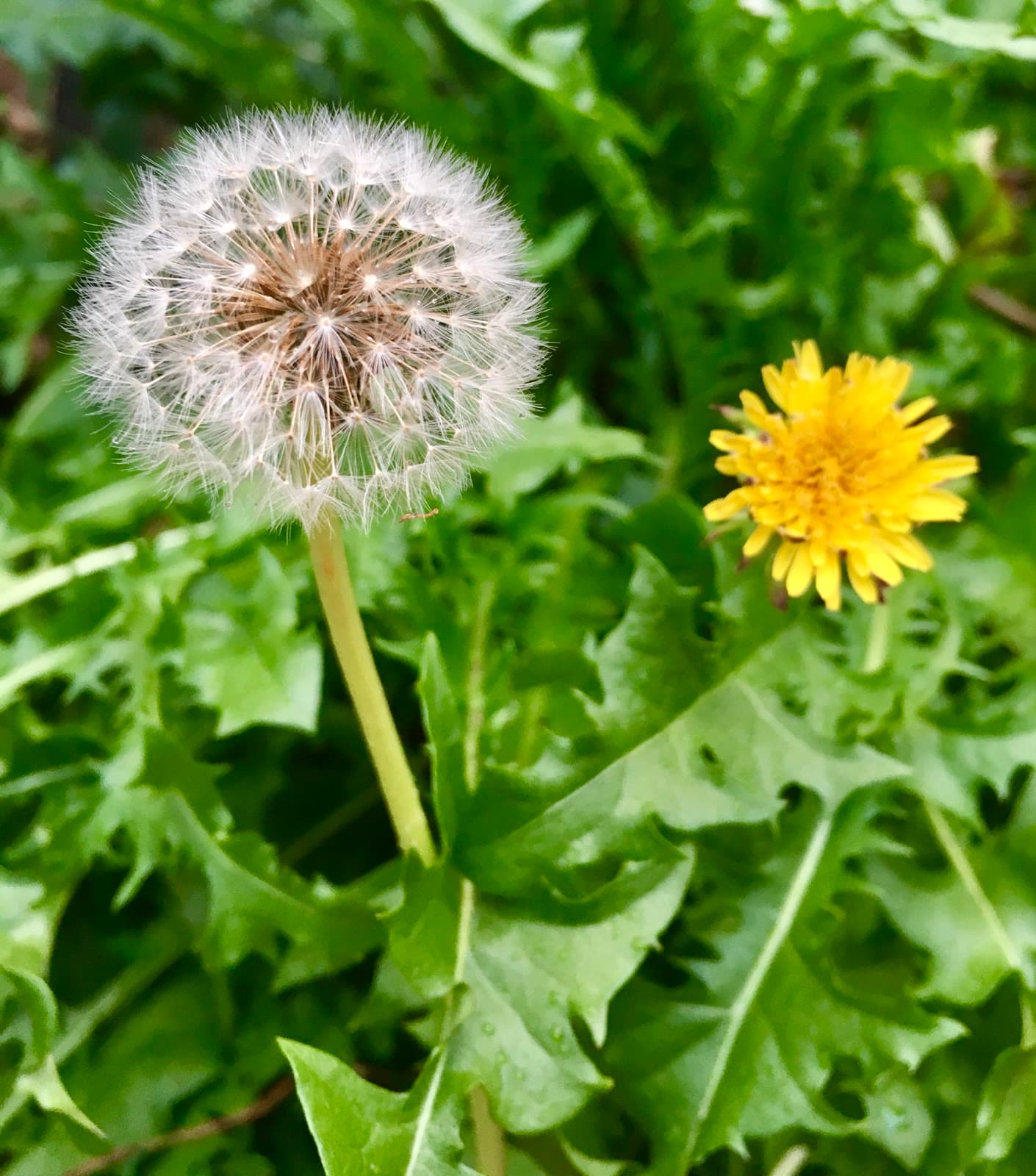
Dandelion
Dandelion is a nutrient-rich bitter herb traditionally used to support the liver, digestion and gentle fluid balance. A botanical profile from Amina's herb database.
Read more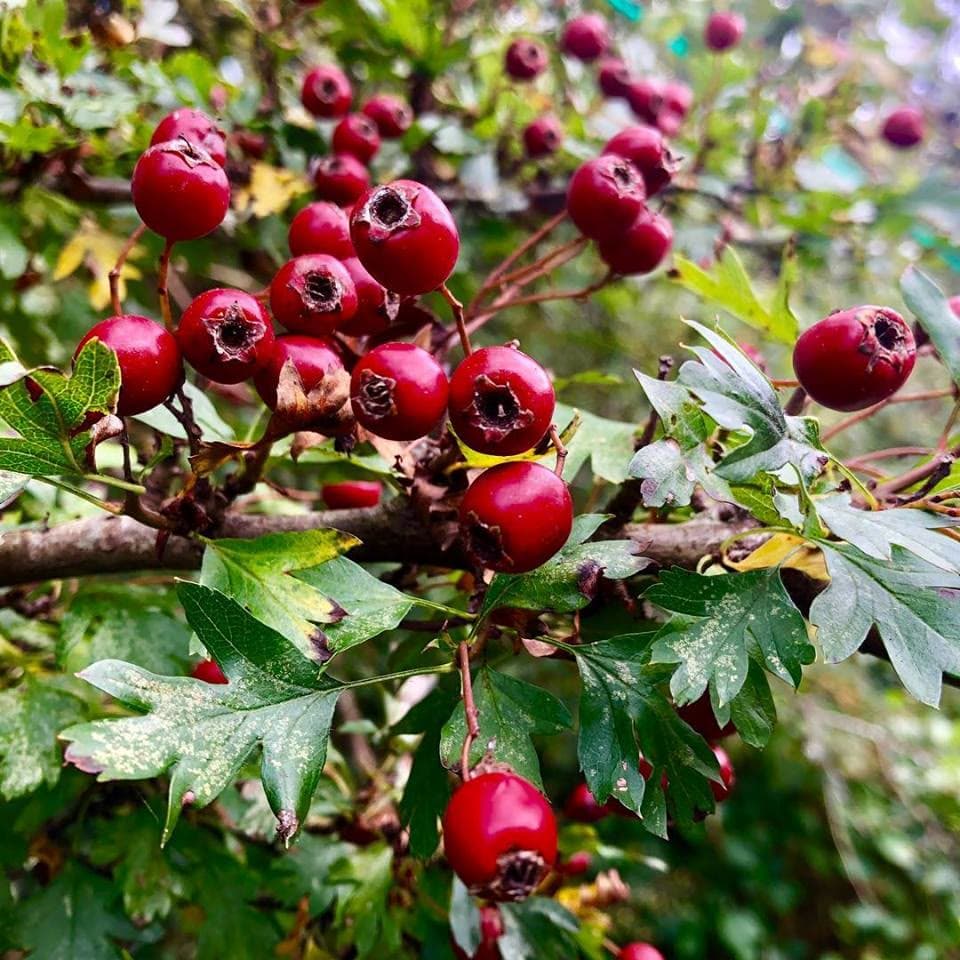
Hawthorn
Hawthorn (Crataegus monogyna) is a hedgerow tree traditionally valued as a herb for the heart. A botanical profile from Amina's herb database.
Read more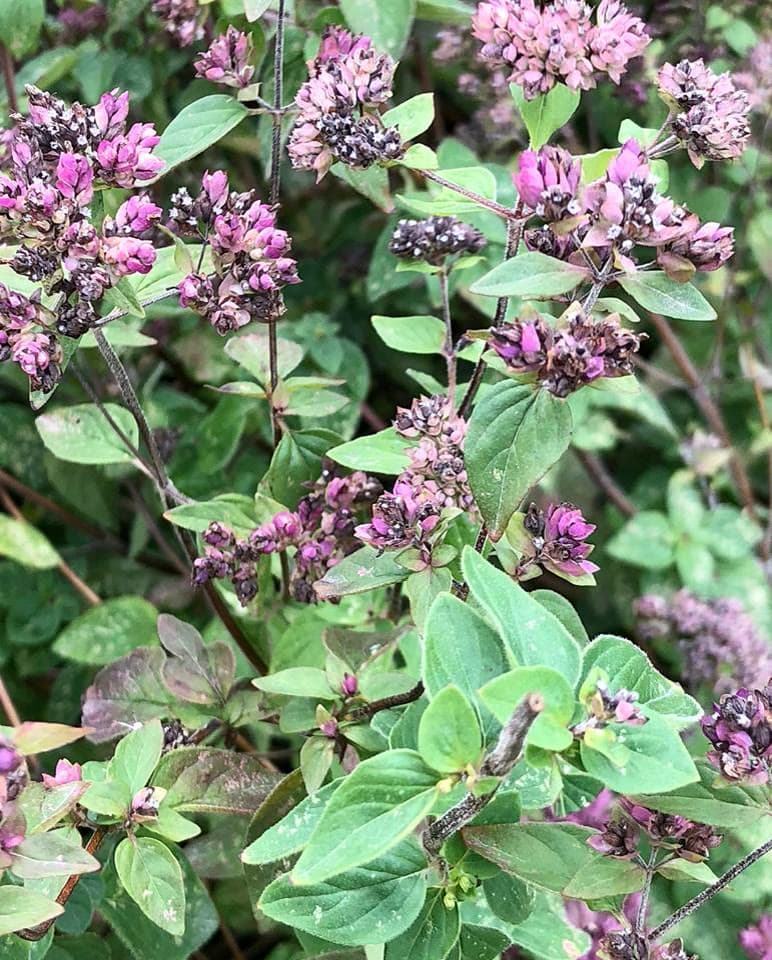
Oregano
Oregano (Origanum vulgare) is an aromatic culinary herb traditionally valued for gut and microbial balance. A botanical profile from Amina's herb database.
Read moreReady to find some answers?
Book an initial consultation with Amina, online or by phone, Australia-wide.