Portulaca oleracea
Purslane
Purslane (Portulaca oleracea) is a succulent leafy green rich in omega-3 fatty acids, with a long history of traditional culinary and folk use. A botanical profile from Amina's herb database.
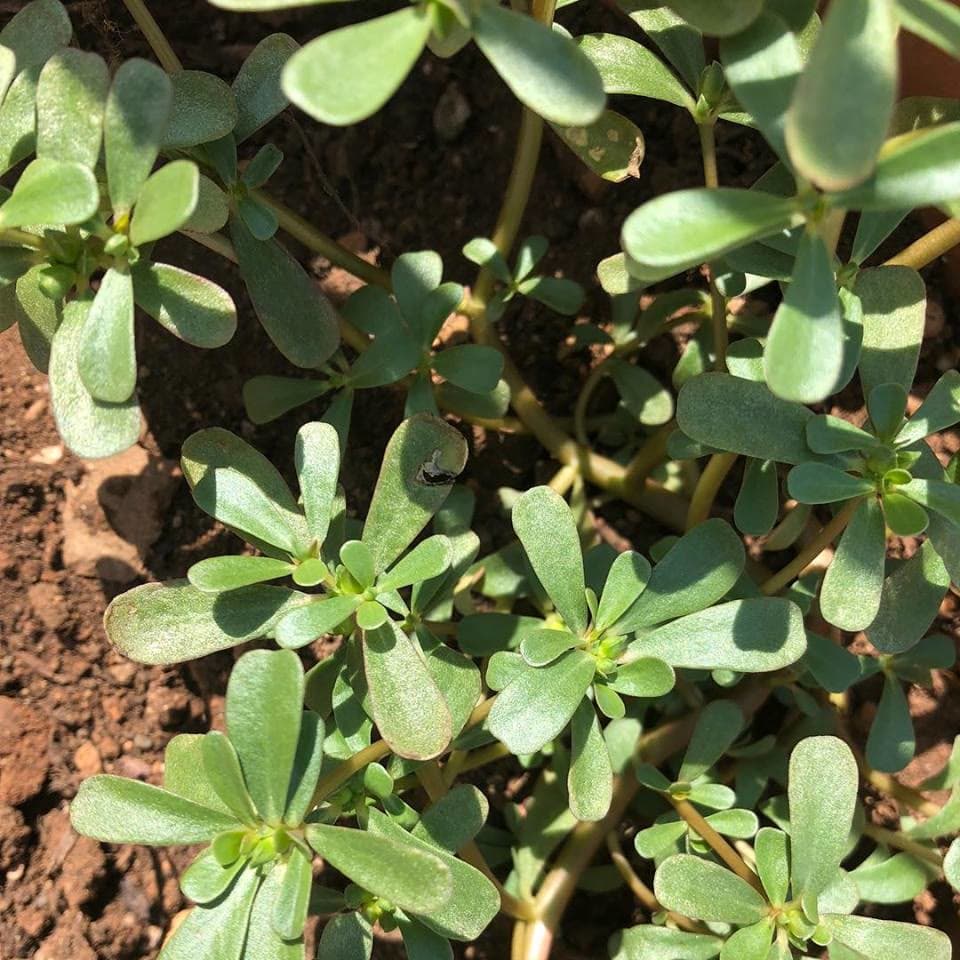
Purslane (Portulaca oleracea) is a sprawling, succulent leafy green that turns up almost everywhere, often as an unbidden guest in garden pots and pavement cracks. Its tiny seeds blow about freely, which is part of why it seems to thrive with very little water and almost no encouragement. Despite its reputation as a weed, it has been eaten and valued across many cultures for a very long time. Other common names include pigweed and horse money.
Traditional and historical use
- Eaten raw or cooked, purslane is a common salad food in Greece, where it is also enjoyed cooked in a garlic sauce.
- Its ancient Greek name is andrakla, and there is a Greek saying, "you ate purslane and don't stop", used affectionately of people who talk continuously without pausing for breath.
- The Greek botanist and physician Dioscorides (40 to 90 AD) wrote of purslane in the context of headaches, heartburn, spleen complaints, eye concerns and stomach discomfort.
- Hippocrates, often called the father of medicine (around 370 BC), is also said to have regarded purslane as a healing herb.
- Purslane is notably high in omega-3 essential fatty acids and a range of vitamins, which is part of its enduring appeal as a nourishing leafy green.
How Amina considers it
In Amina's practice, purslane is appreciated first and foremost as a nutrient-dense food rather than a medicinal extract, valued for its omega-3 content and the simple act of adding more fresh greens to the plate. Where it features in a wellness conversation, it is always considered as one small part of an individualised plan that takes the whole person into account, never as a stand-alone remedy. You can read more about this approach on the consultations page.
Safety and considerations
As a culinary green, purslane is generally considered low risk and is enjoyed as everyday food in many parts of the world. It does naturally contain oxalates, so those with a history of kidney stones or who have been advised to limit oxalate-rich foods may wish to take that into account. As with introducing any new food in larger amounts, and particularly during pregnancy or alongside existing health conditions, it is sensible to check with a qualified practitioner. If you would like tailored guidance, feel free to get in contact.
This profile is educational and describes traditional and culinary use. It is not a treatment recommendation.
More from the herb database
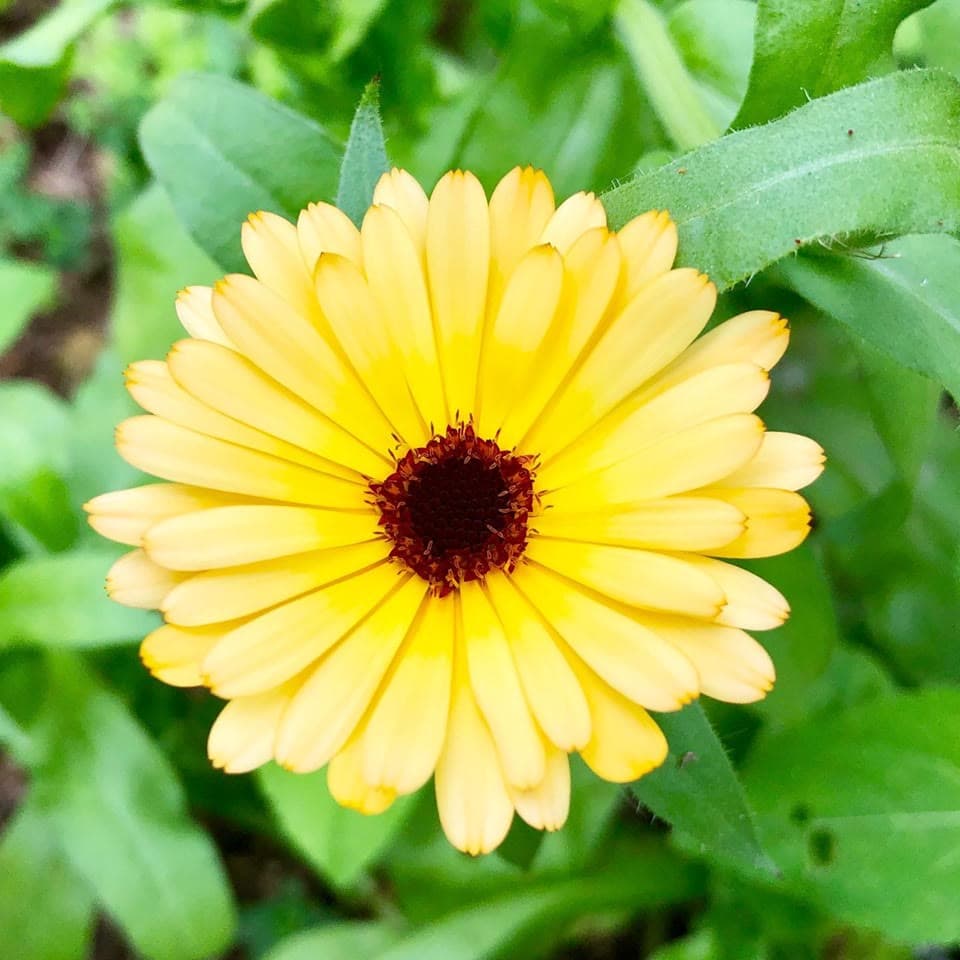
Calendula
Calendula is a gentle golden flower traditionally valued for soothing the skin and the lining of the gut. A botanical profile from Amina's herb database.
Read more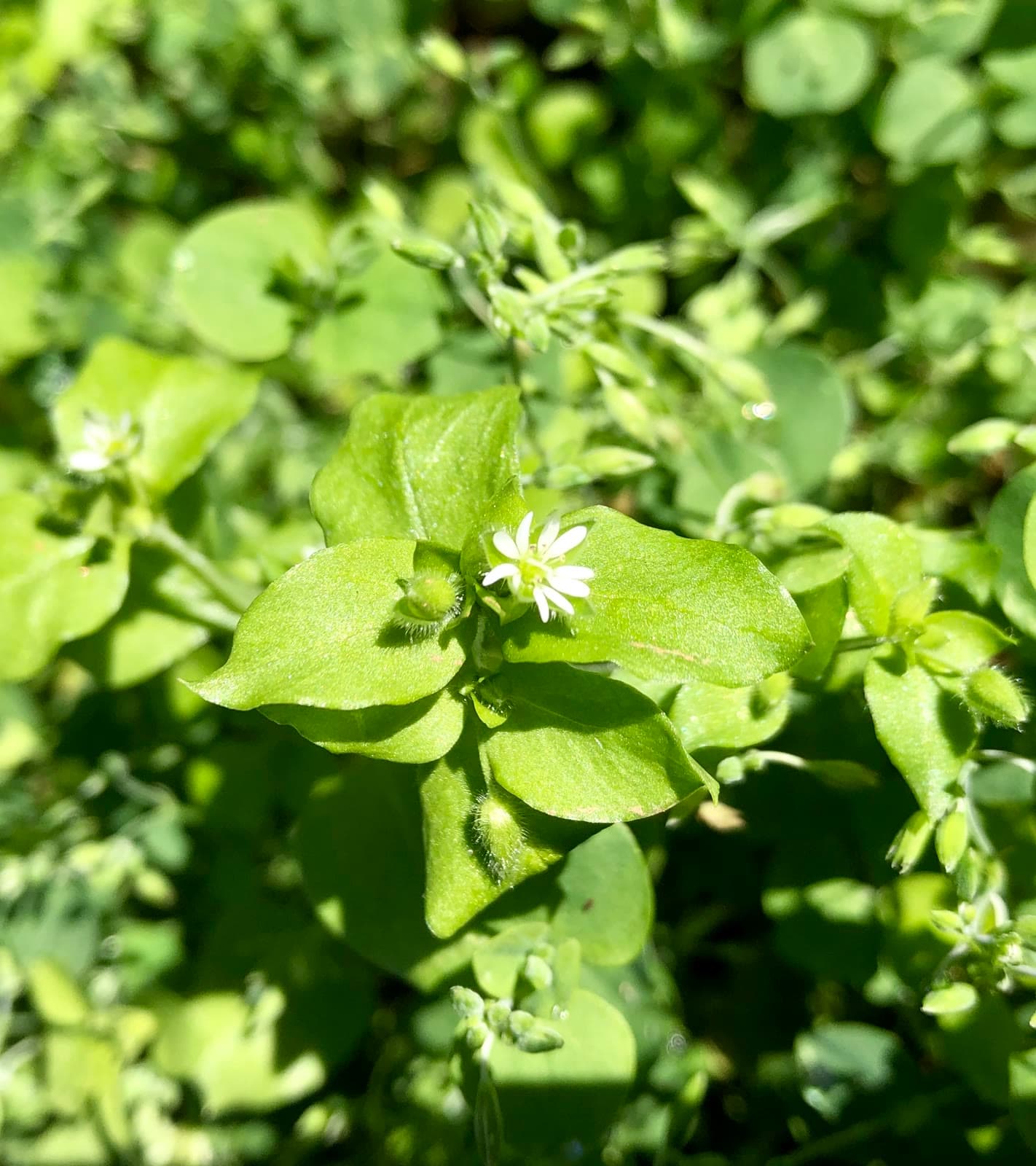
Chickweed
Chickweed (Stellaria media) is a humble garden weed traditionally valued for soothing irritated skin and as a cooling, mineral-rich green. A profile from Amina's herb database.
Read more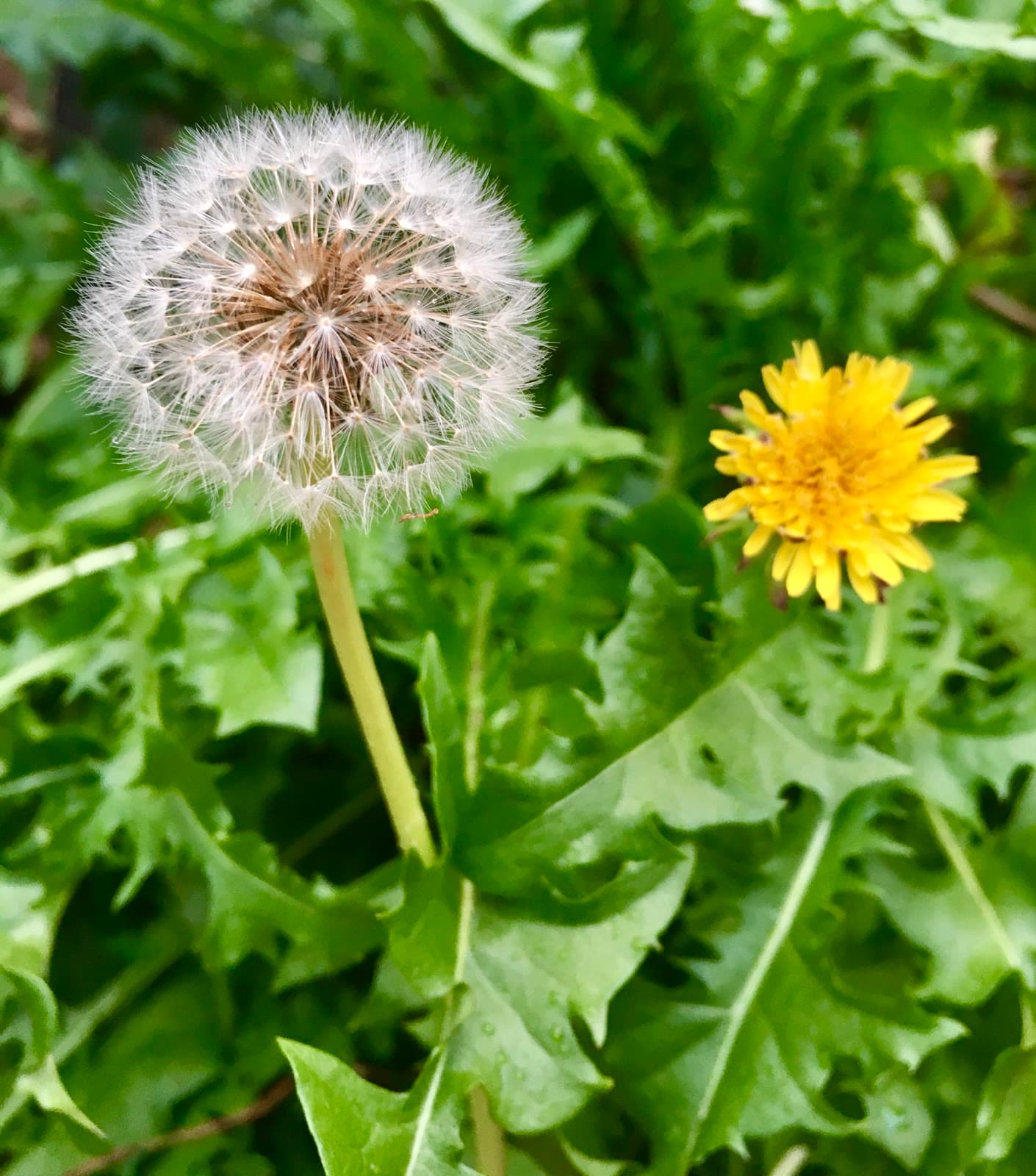
Dandelion
Dandelion is a nutrient-rich bitter herb traditionally used to support the liver, digestion and gentle fluid balance. A botanical profile from Amina's herb database.
Read moreReady to find some answers?
Book an initial consultation with Amina, online or by phone, Australia-wide.