Vitex agnus-castus
Chaste Tree (Vitex)
Chaste tree (Vitex agnus-castus) is a herb traditionally valued in women's herbal medicine for working with hormonal balance and the menstrual cycle. A botanical profile.
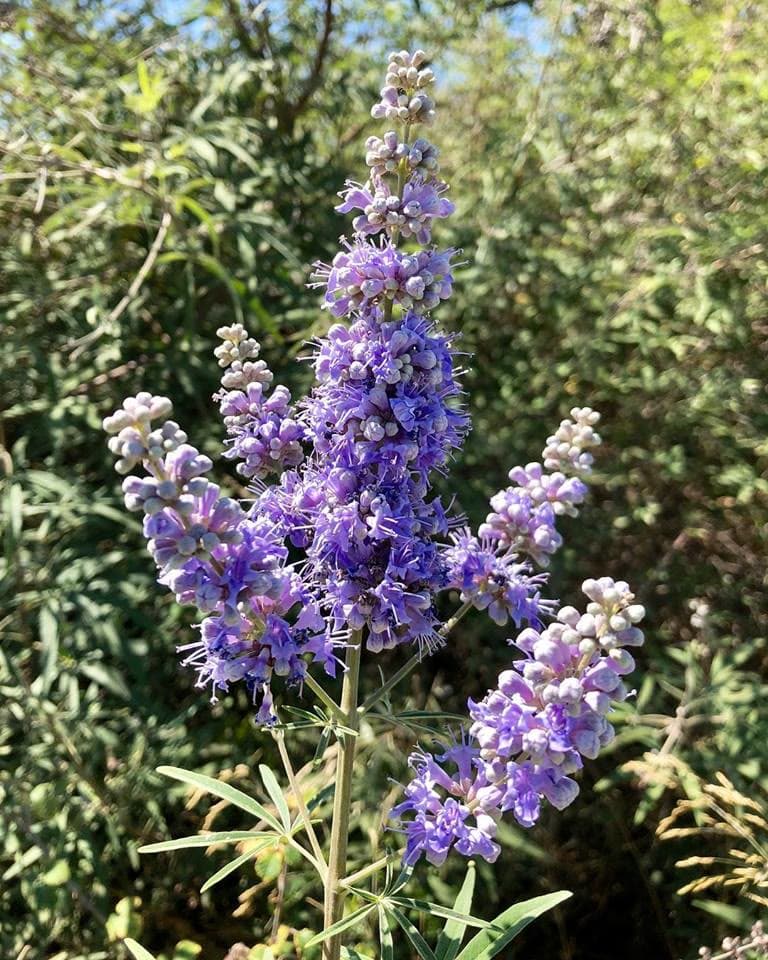
Chaste tree, also known as Vitex, is one of the most well-known herbs in traditional women's herbal medicine. The small, peppery berries are the medicinal part used, and the plant grows wild across the Mediterranean, where Amina has photographed it flowering on the roadsides of Crete.
Traditional and historical use
Chaste tree has a long history of traditional use, particularly in supporting the female reproductive system. Traditionally it has been valued to:
- Work with the body's natural hormonal patterns across the menstrual cycle
- Support women experiencing the symptoms commonly associated with premenstrual changes, such as breast tenderness and shifts in mood
- Support a regular, settled menstrual rhythm
- Work alongside the body during the transition through menopause
The name itself reflects its history. The herb was traditionally taken by monks, who associated it with a calming effect on libido, which is how it came by the name "chaste" tree. Its traditional reputation in women's medicine, by contrast, centres on balance and cyclical wellbeing.
Because of its traditional association with hormonal patterns, chaste tree has long been considered in herbal approaches to skin conditions where hormonal shifts play a part, as well as in supporting mood and stress through the cycle.
How Amina considers chaste tree
In Amina's practice, chaste tree is one of many herbs that may be considered for women working with hormonal balance, menstrual cycle concerns or the menopausal transition. It is never used in isolation. Any herb is chosen as part of a fully individualised plan that takes account of a person's wider health picture, and you can read more about that approach on the consultations page.
Safety and considerations
Chaste tree is not appropriate for everyone. It can interact with hormonal medications, including some forms of contraception and hormone therapy, and it is generally not recommended during pregnancy or while breastfeeding unless under professional guidance. As with any herb, it is best taken on the advice of a qualified practitioner who knows your full history. If you would like tailored guidance, please get in touch.
This profile is educational and describes traditional use only. It is not a treatment recommendation, diagnosis, or a substitute for individual professional advice.
More from the herb database
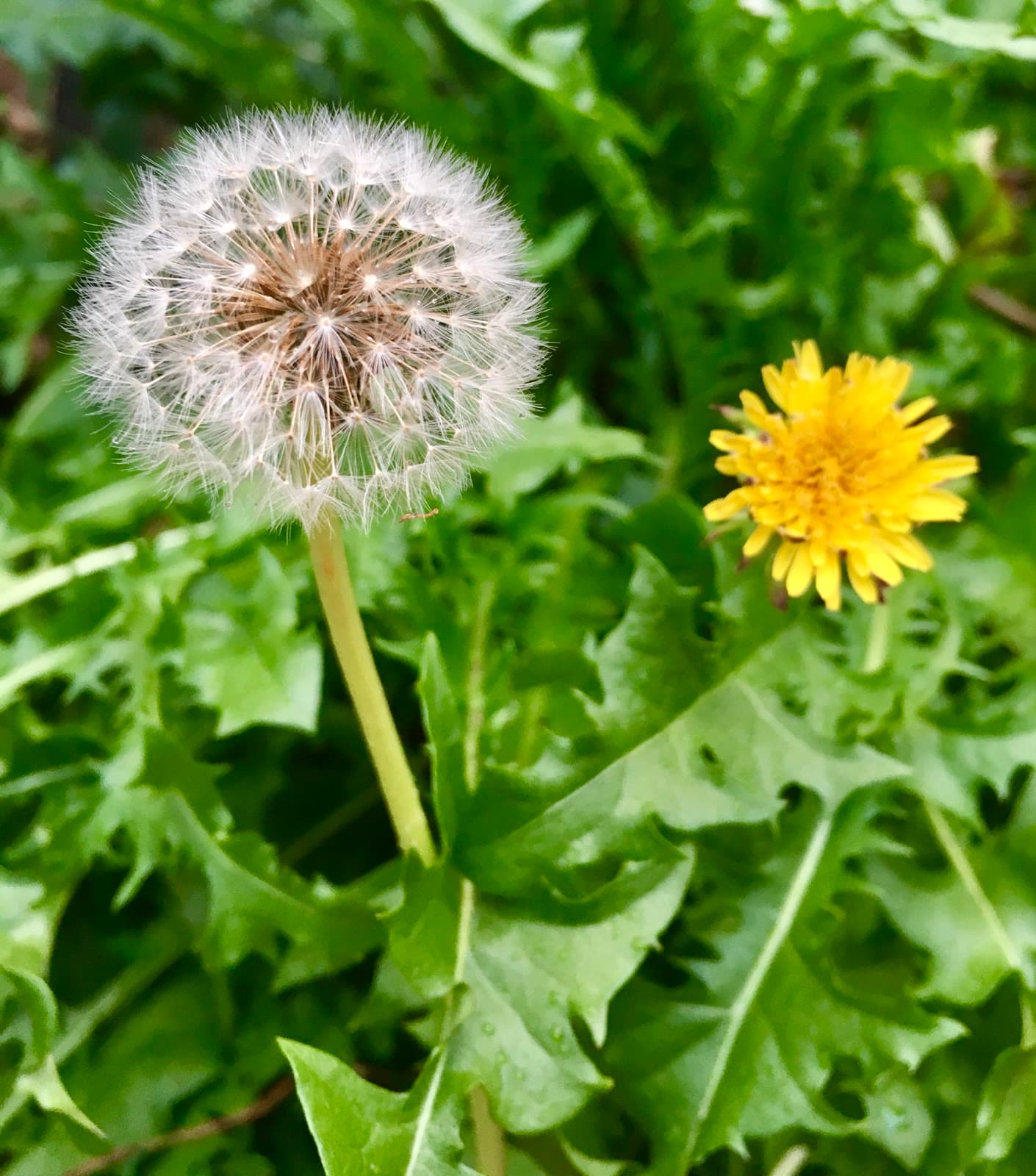
Dandelion
Dandelion is a nutrient-rich bitter herb traditionally used to support the liver, digestion and gentle fluid balance. A botanical profile from Amina's herb database.
Read more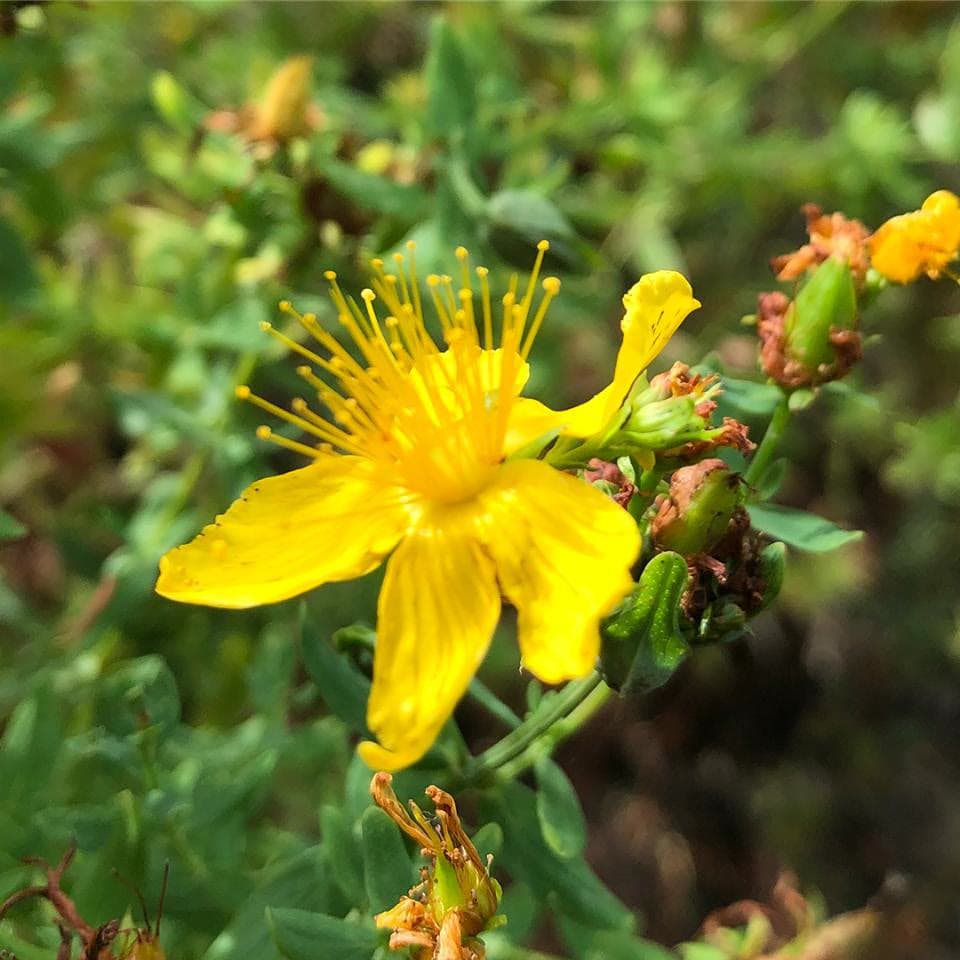
St John's Wort
St John's wort is a sunny flowering herb traditionally valued to support mood, the nervous system and emotional resilience. A botanical profile from Amina's herb database.
Read more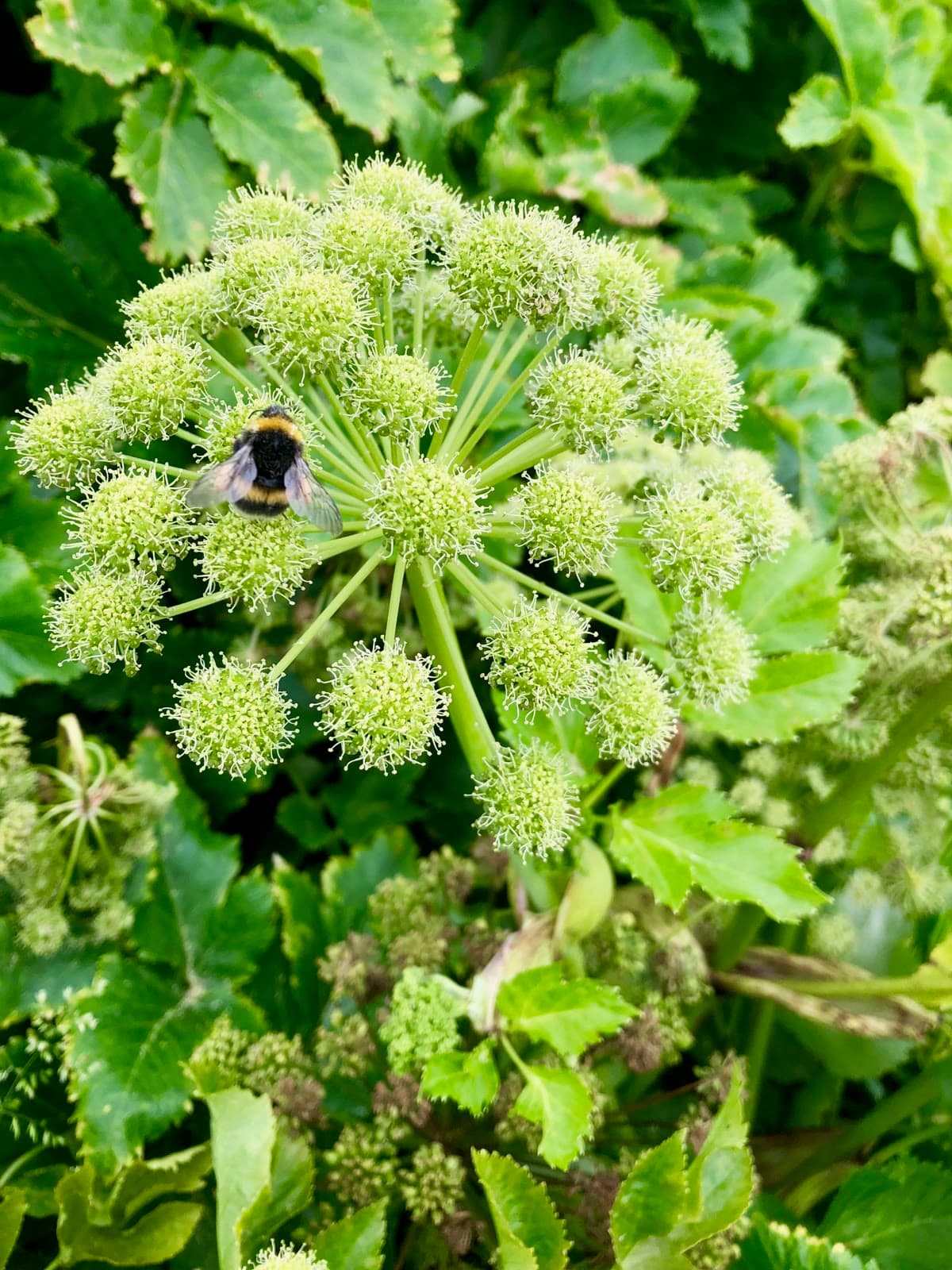
Angelica
Angelica (Angelica archangelica) is an aromatic herb traditionally used to support digestion, warmth and the nervous system. A botanical profile from Amina's herb database.
Read moreReady to find some answers?
Book an initial consultation with Amina, online or by phone, Australia-wide.