Angelica archangelica
Angelica
Angelica (Angelica archangelica) is an aromatic herb traditionally used to support digestion, warmth and the nervous system. A botanical profile from Amina's herb database.
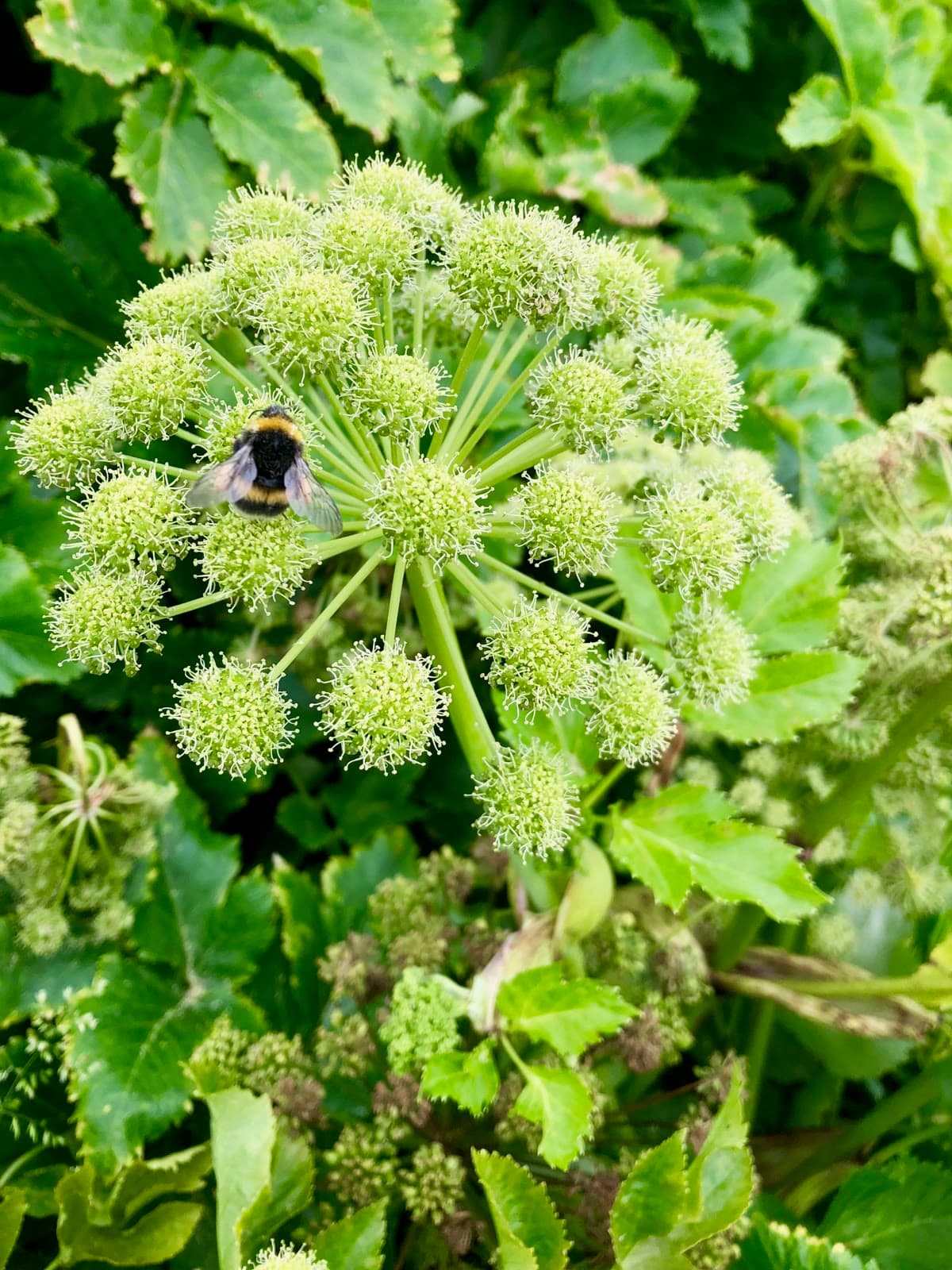
Angelica (Angelica archangelica), sometimes called Norwegian angelica, is a striking aromatic plant that grows abundantly around the rivers and lakes of Iceland and Norway, favouring damp soil. It is a biennial: in its first year it grows only leaves, and in its second it can reach up to 2.5 m tall before flowering. The stems and roots are edible and have a long history of culinary and traditional use across northern Europe.
Traditional and historical use
Angelica has been valued for centuries in European folk herbalism, often taken as a tea or tincture. Traditionally it has been used to:
- Support healthy digestion as a warming aromatic bitter
- Settle a sluggish or windy stomach
- Bring warmth to the body during the cooler months
- Support the body through fevers and seasonal chills
- Help tonify and steady the nervous system
As an aromatic carminative, angelica is traditionally associated with easing bloating and supporting comfortable digestion. Its candied stems were also a popular kitchen tradition, reflecting how closely its food and herbal uses have been linked.
How Amina considers it
In Amina's practice, angelica is one of many botanicals that may be considered for people seeking digestive and nervous-system support, particularly where there is a sense of coldness or depletion. It is always chosen as part of an individualised plan tailored to the whole person, never used in isolation. You can read more about how this works on the consultations page or get in touch.
Safety and considerations
Angelica is a member of the carrot (Apiaceae) family and can increase sensitivity to sunlight in some people, so sun exposure is worth keeping in mind. As with any herb, it may interact with medications and is not appropriate for everyone, including during pregnancy. Care is also needed to correctly identify wild angelica, as it can resemble toxic relatives. Always seek advice from a qualified practitioner before use.
This profile is educational and describes traditional use. It is not a treatment recommendation.
More from the herb database
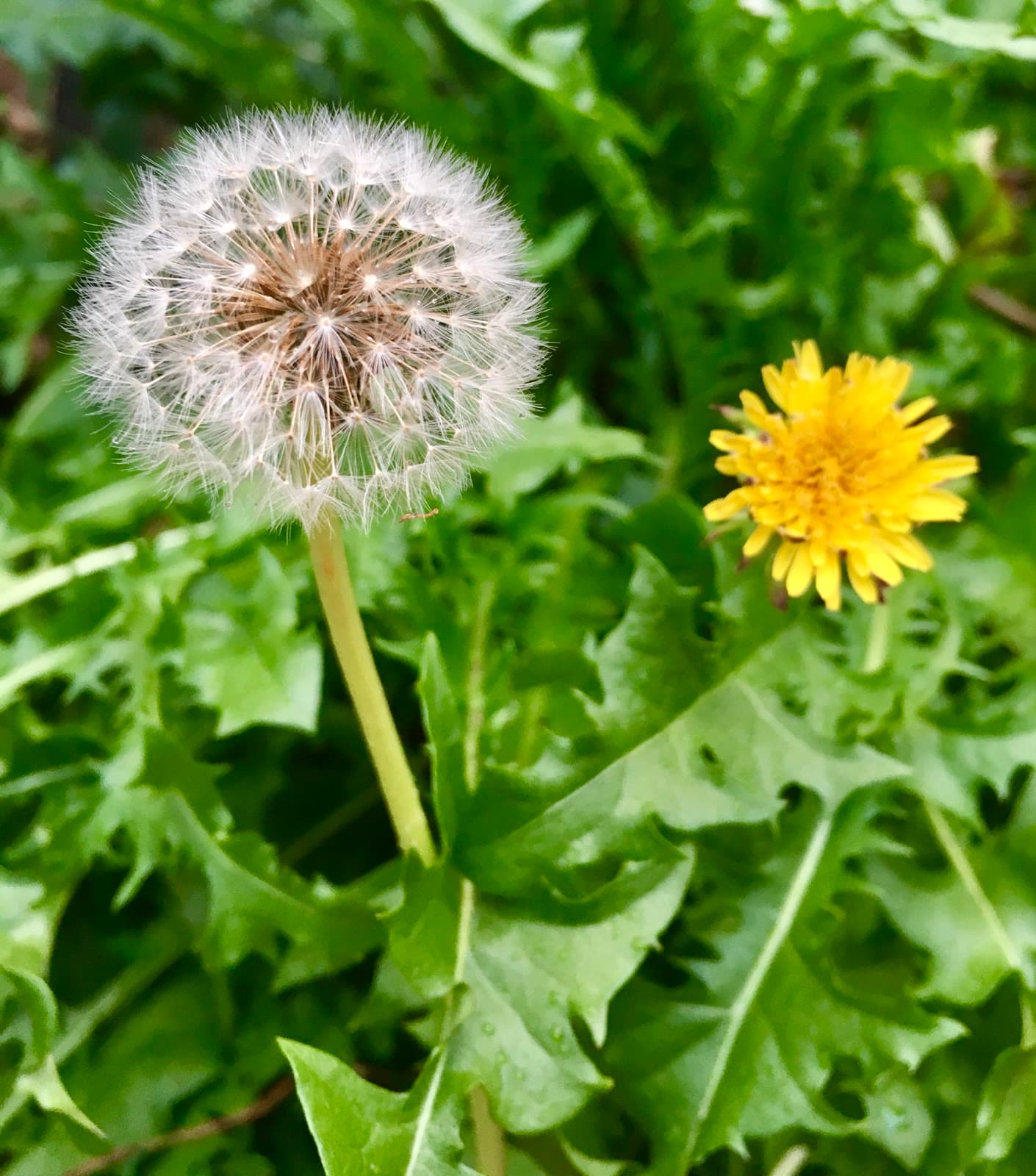
Dandelion
Dandelion is a nutrient-rich bitter herb traditionally used to support the liver, digestion and gentle fluid balance. A botanical profile from Amina's herb database.
Read more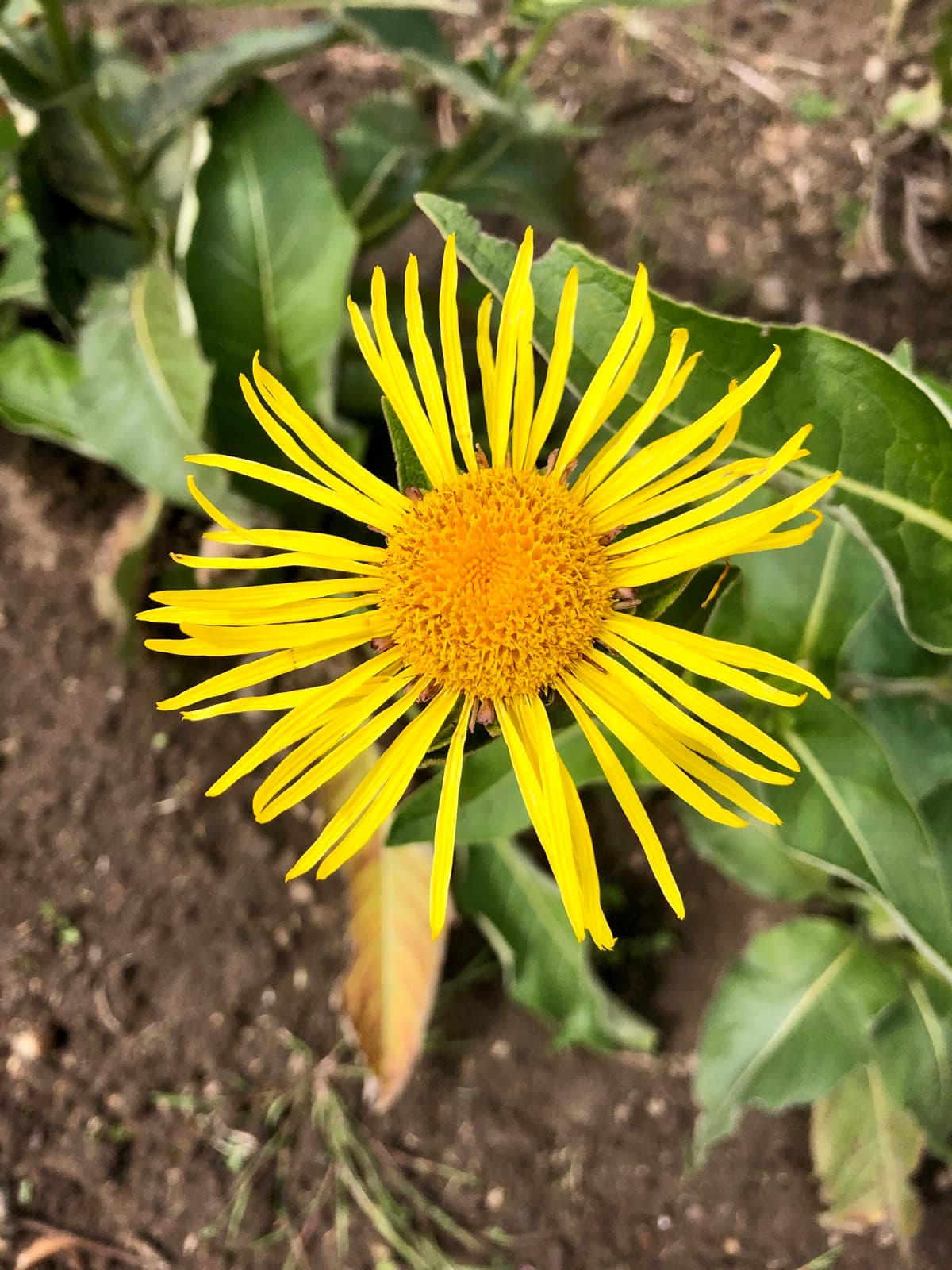
Elecampane
Elecampane (Inula helenium) is a traditional respiratory herb long valued by herbalists to support the lungs, soothe coughs and clear catarrh. A profile from Amina's herb database.
Read more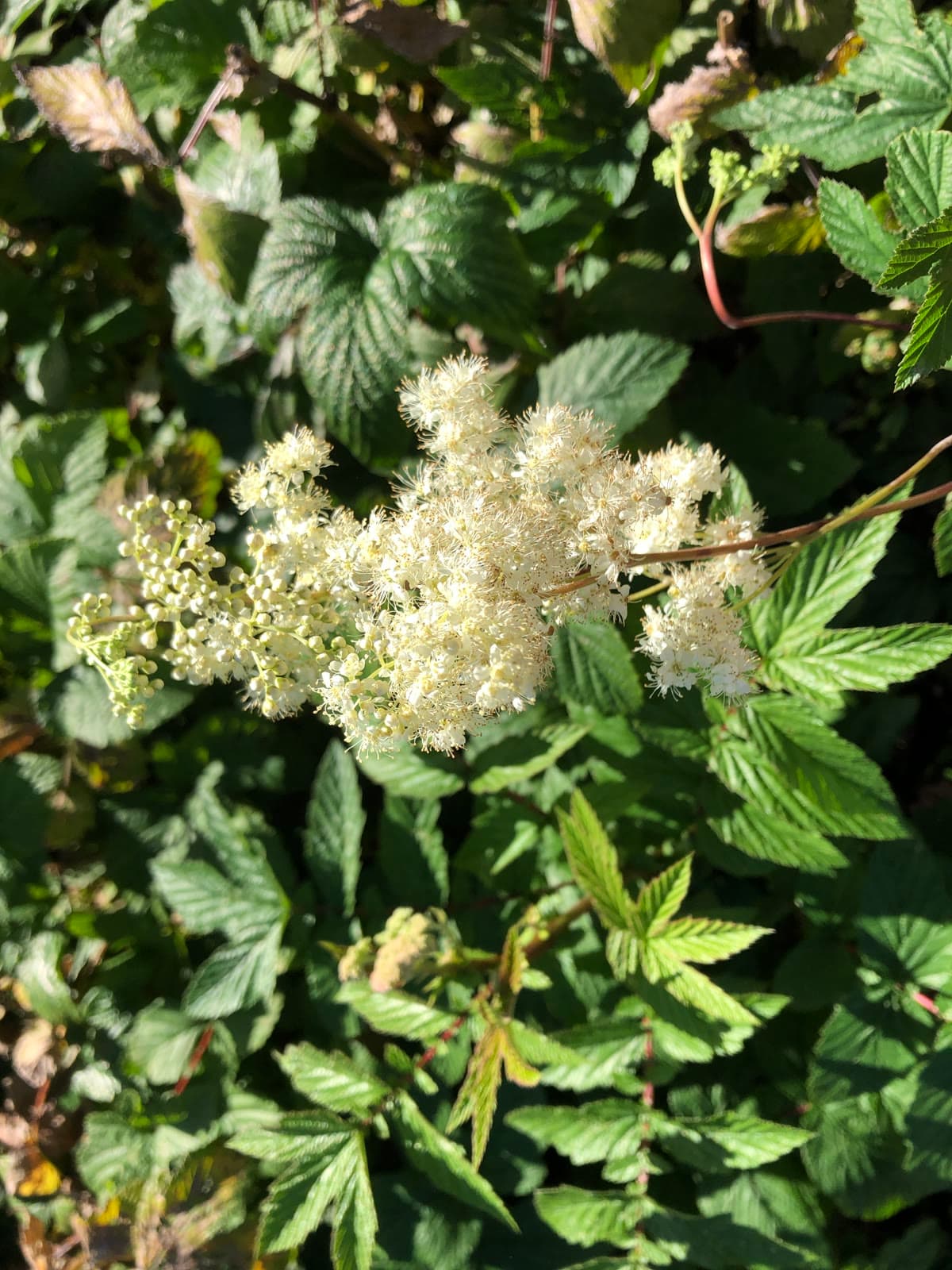
Meadowsweet
Meadowsweet (Filipendula ulmaria) is a gentle herb traditionally valued to support comfortable digestion and a settled, soothed digestive tract. A profile from Amina's herb database.
Read moreReady to find some answers?
Book an initial consultation with Amina, online or by phone, Australia-wide.