Echinacea purpurea
Echinacea
Echinacea is a celebrated immune herb traditionally used to support the immune system, the lymphatics and the skin. A botanical profile from Amina's herb database.
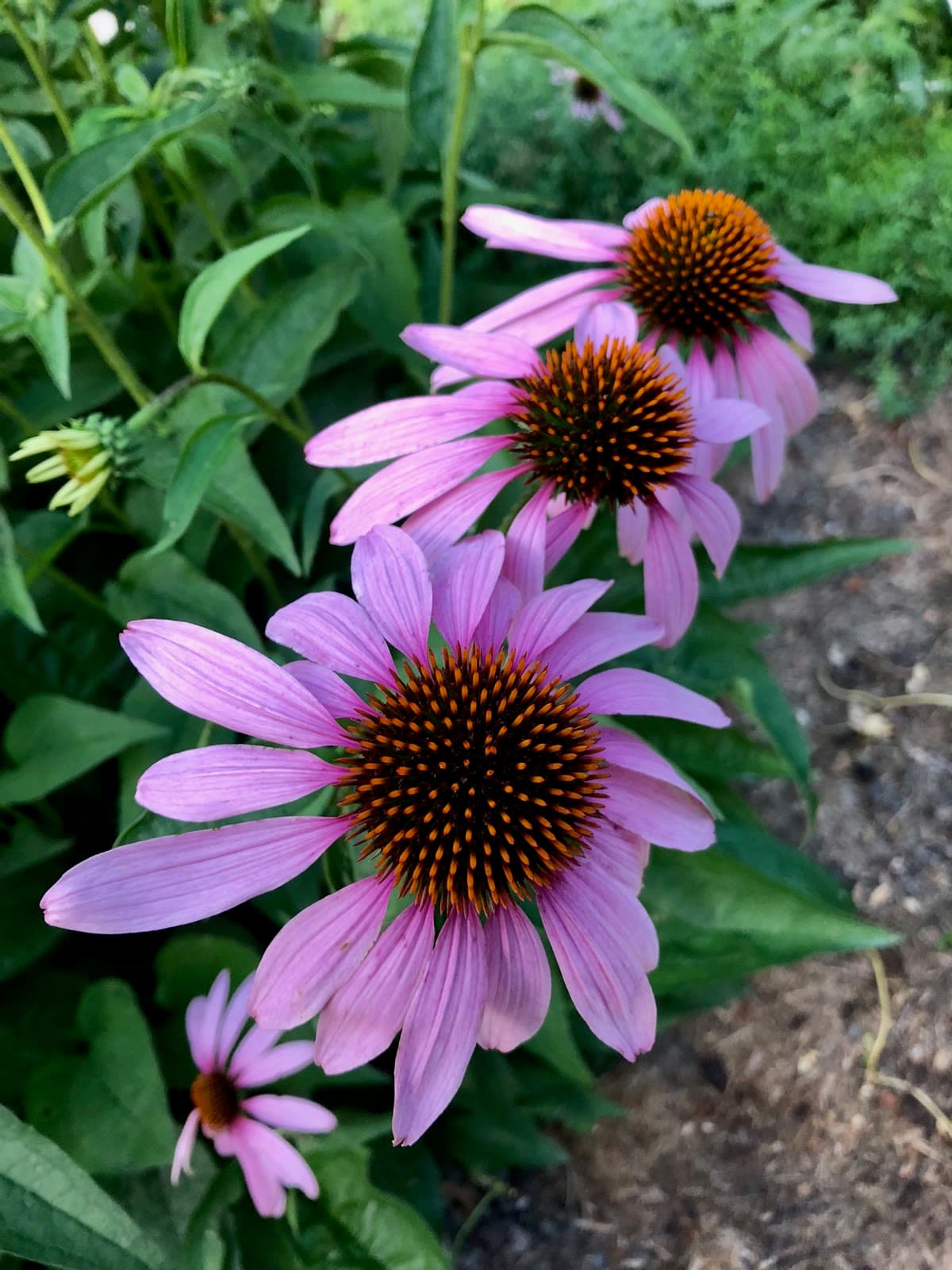
Echinacea is one of the best known herbs in Western herbal medicine and a long-standing favourite for supporting the immune system. Native to North America, it was the most frequently used plant preparation in the United States at the start of the 20th century, and it remains one of the most extensively studied herbs today.
Traditional and historical use
Both Echinacea purpurea and Echinacea angustifolia have a rich history of use, with the roots particularly valued. Traditionally echinacea has been used to:
- Support and modulate the immune system
- Work with the lymphatic system, including swollen glands
- Support the body through colds, sore throats and upper respiratory complaints
- Soothe and support the skin, used both internally and topically for irritations and minor wounds
Native American peoples used both species of echinacea root, often going to great lengths to gather them, as the two varieties were understood to work in synergy. The roots contain different alkylamides, the compounds behind echinacea's characteristic tingling taste, and the combination has traditionally been considered more beneficial than either alone.
How Amina considers echinacea
In Amina's practice, echinacea is one of many herbs that may be considered where the immune and lymphatic systems would benefit from support, including alongside complex chronic infections where keeping immunity resilient matters. It is always chosen as part of an individualised plan rather than used in isolation, and it may be combined with other herbs such as astragalus depending on the person in front of her.
Safety and considerations
Echinacea should be used cautiously by anyone taking immunosuppressive medications, and those with autoimmune conditions or in the daisy (Asteraceae) family allergy group should take particular care. As with any herb, it can interact with medications and is not appropriate for everyone. Always seek advice from a qualified practitioner before use, and book a consultation if you would like personalised guidance.
This profile is educational and describes traditional use. It is not a treatment recommendation.
More from the herb database
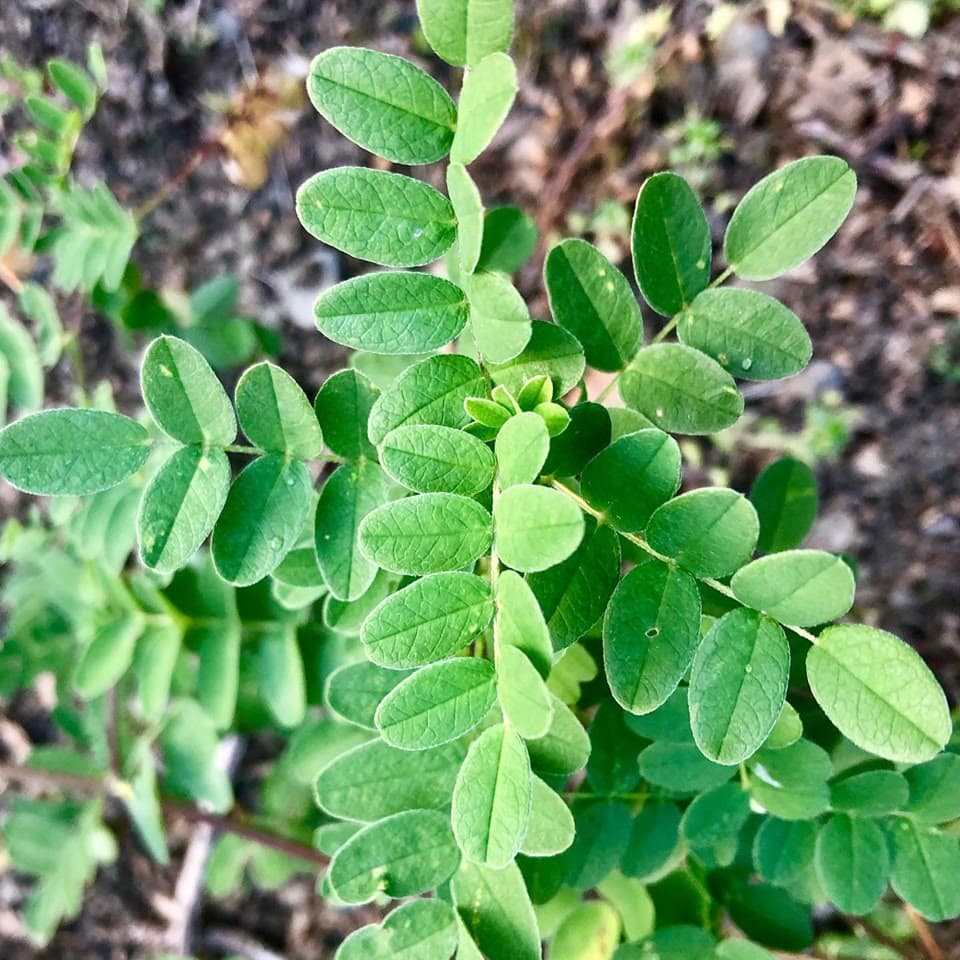
Astragalus
Astragalus is a classic tonic herb traditionally used to support immune resilience, energy and the cardiovascular system. A botanical profile from Amina's herb database.
Read more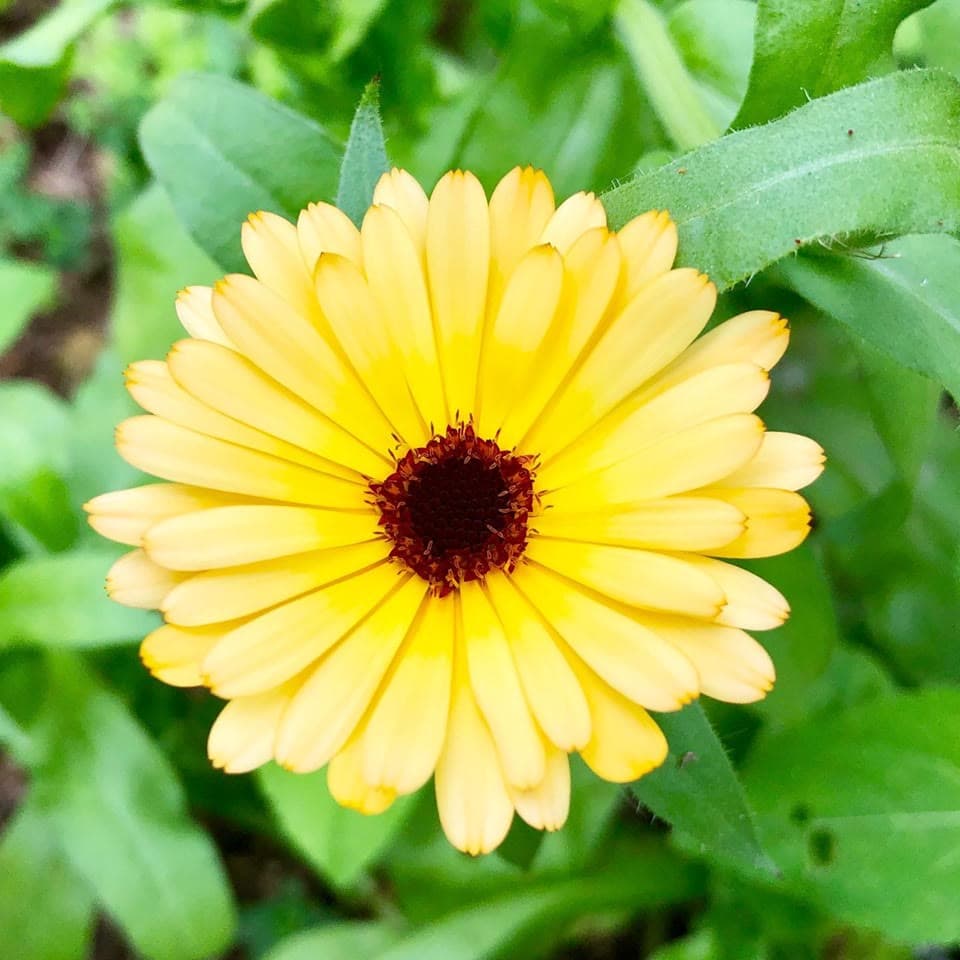
Calendula
Calendula is a gentle golden flower traditionally valued for soothing the skin and the lining of the gut. A botanical profile from Amina's herb database.
Read more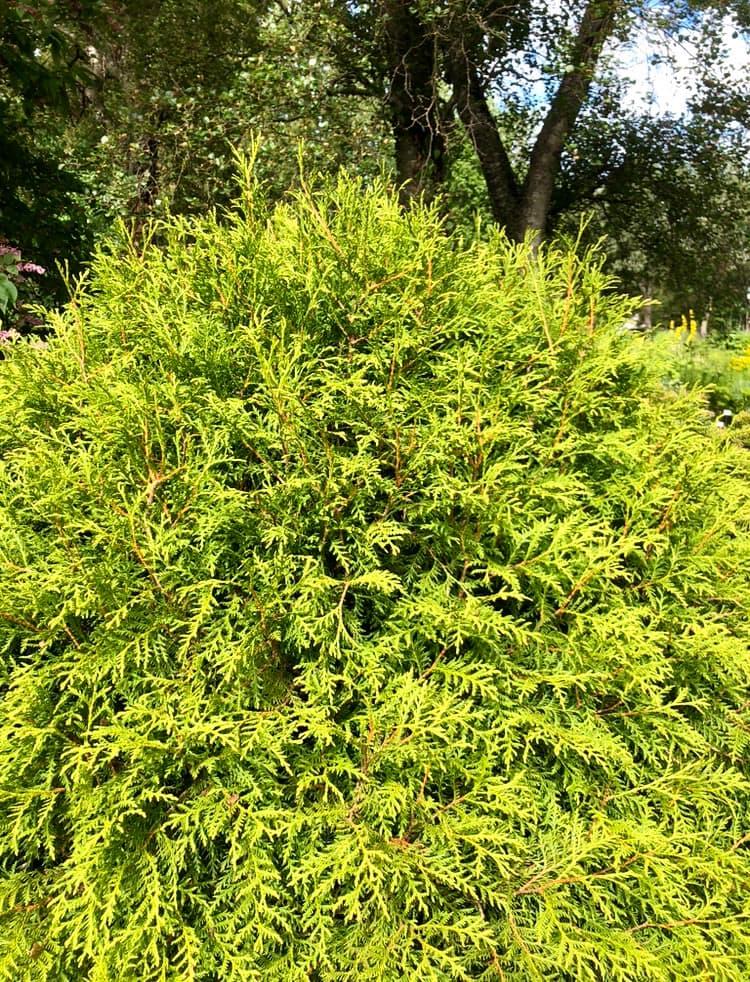
Thuja
Thuja (Thuja occidentalis) is an evergreen traditionally valued as an antimicrobial and depurative herb. A botanical profile from Amina's herb database.
Read moreReady to find some answers?
Book an initial consultation with Amina, online or by phone, Australia-wide.