Thuja occidentalis
Thuja
Thuja (Thuja occidentalis) is an evergreen traditionally valued as an antimicrobial and depurative herb. A botanical profile from Amina's herb database.
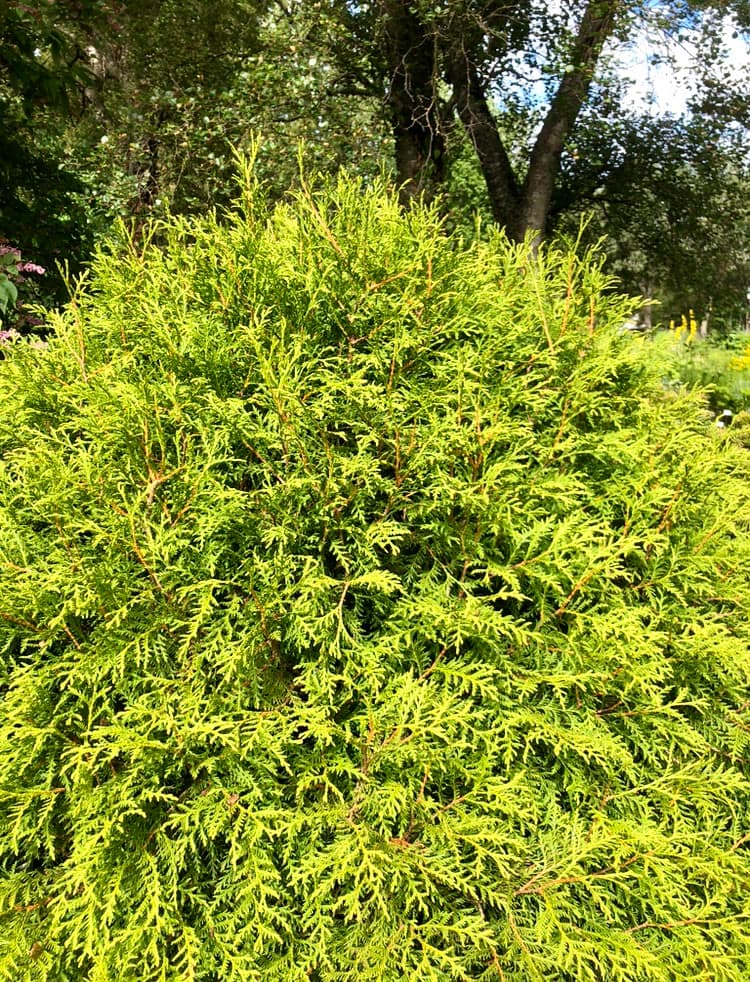
Thuja, also known as arbor vitae or the northern white cedar, is an evergreen tree whose fresh young leaf has a long history of traditional use as an antimicrobial and cleansing herb. It is a potent botanical with a strong character, which is why it is reserved for considered, professional use rather than casual self-prescription.
Traditional and historical use
In traditional Western herbal practice, thuja has been valued to:
- Work with the body during viral infections, common colds and lingering catarrh
- Support the respiratory tract, traditionally for productive (rather than dry) catarrhal coughs and sinus congestion
- Act as a depurative, an herb thought to support the body's own detoxification pathways
- Help with fungal complaints of the skin, where it has a long folk history applied topically
- Support the skin in the traditional management of warts and similar growths
Thuja has historically been described as both antimicrobial and as a stimulating, cleansing herb, which placed it among the herbs reached for during stubborn or lingering infections.
How Amina considers thuja
In Amina's practice, thuja is one of many herbs that may be considered as part of an individualised plan, particularly where a person is working with stubborn or stealth-type infections or skin complaints. Because it is a strong herb with clear cautions, it is always chosen carefully, in measured amounts and alongside gentler supportive botanicals, never as a standalone remedy. It is often considered next to immune-supporting herbs such as echinacea within a broader strategy decided in consultation.
Safety and considerations
Thuja is a herb that must be professionally prescribed and is not suitable for everyone. It is not to be used in pregnancy or while breastfeeding. It contains the constituent thujone and is not appropriate in high or prolonged doses, and it can interact with certain conditions and medications. Because of these clear contraindications, thuja should only ever be taken under the guidance of a qualified naturopath or medical herbalist. Always seek individual advice from a qualified practitioner before use.
This profile is educational and describes traditional use. It is not a treatment recommendation.
More from the herb database
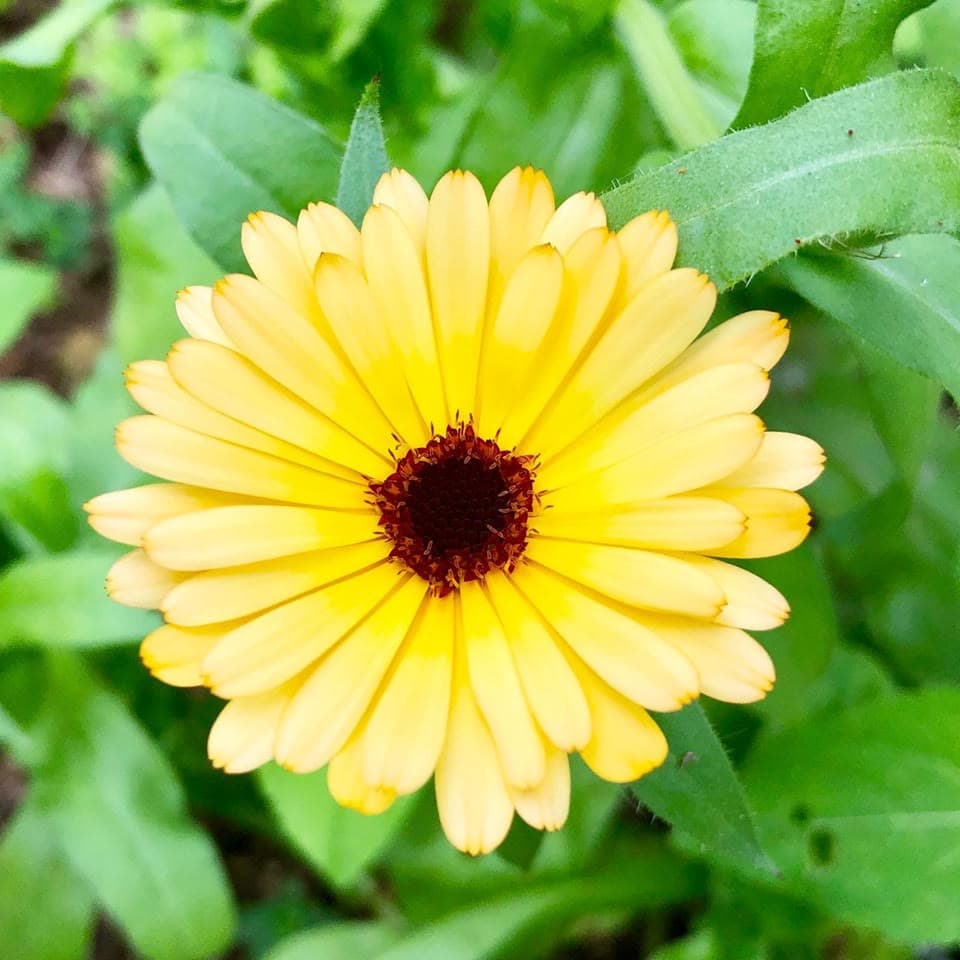
Calendula
Calendula is a gentle golden flower traditionally valued for soothing the skin and the lining of the gut. A botanical profile from Amina's herb database.
Read more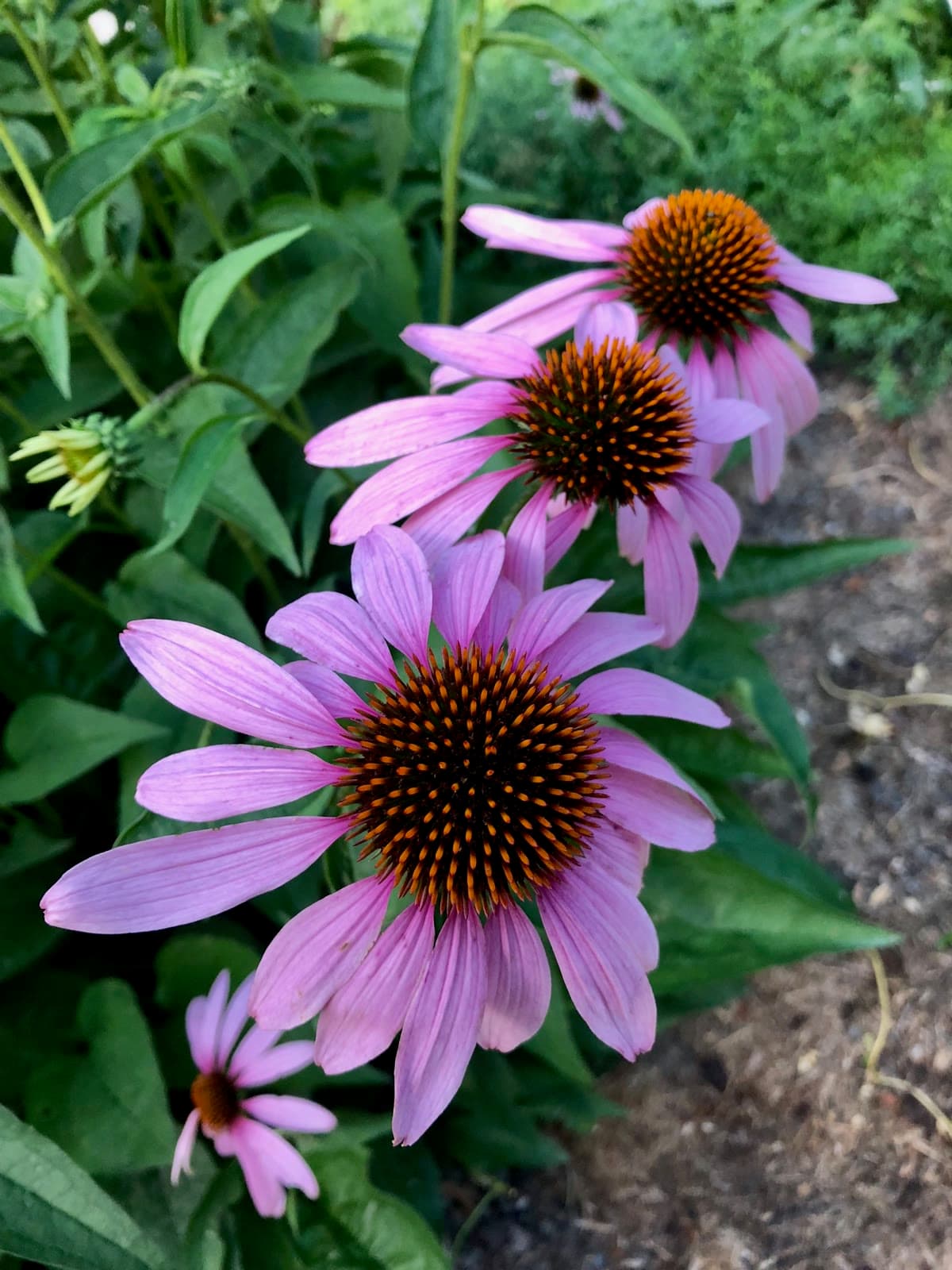
Echinacea
Echinacea is a celebrated immune herb traditionally used to support the immune system, the lymphatics and the skin. A botanical profile from Amina's herb database.
Read more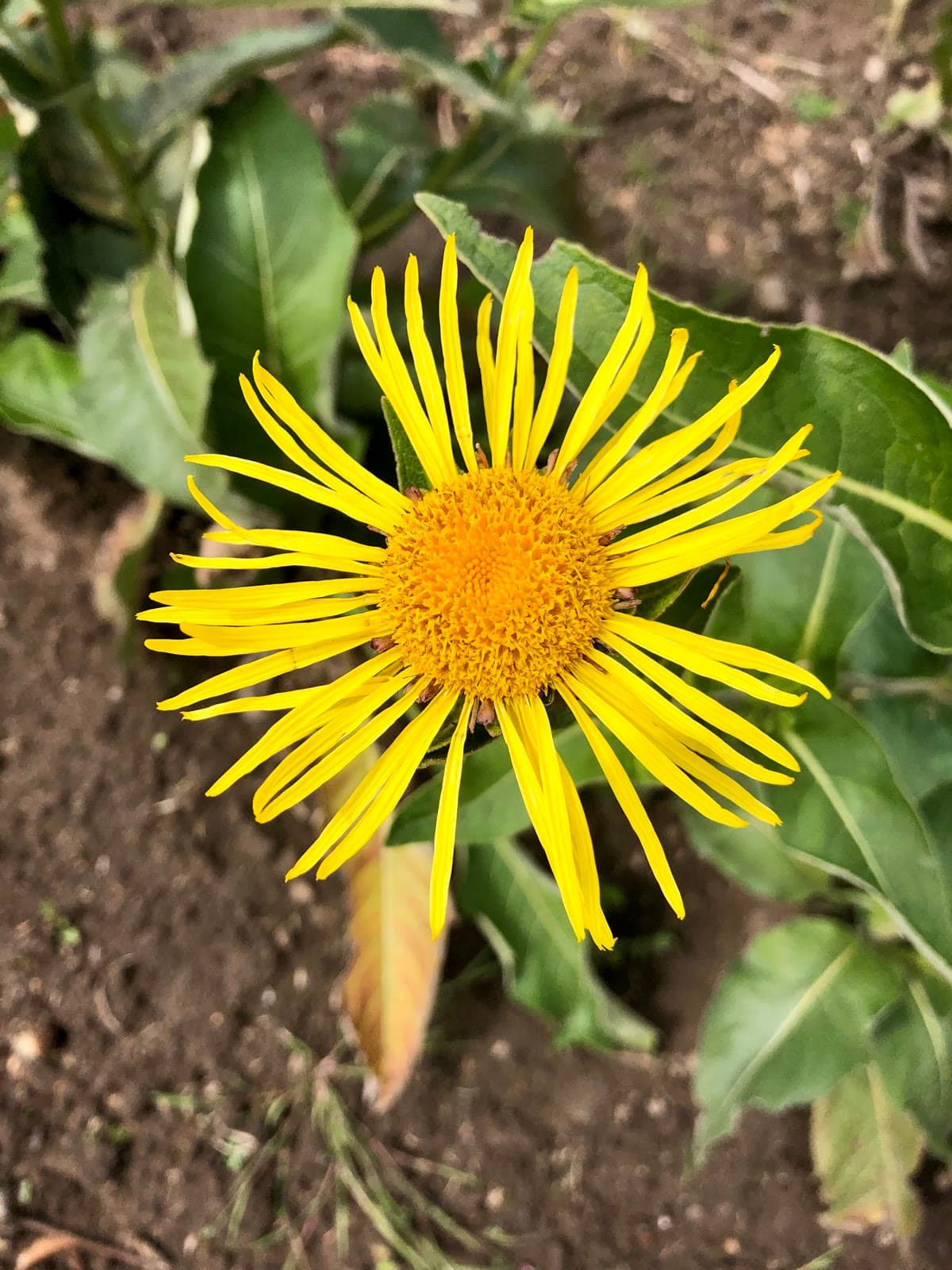
Elecampane
Elecampane (Inula helenium) is a traditional respiratory herb long valued by herbalists to support the lungs, soothe coughs and clear catarrh. A profile from Amina's herb database.
Read moreReady to find some answers?
Book an initial consultation with Amina, online or by phone, Australia-wide.