Inula helenium
Elecampane
Elecampane (Inula helenium) is a traditional respiratory herb long valued by herbalists to support the lungs, soothe coughs and clear catarrh. A profile from Amina's herb database.
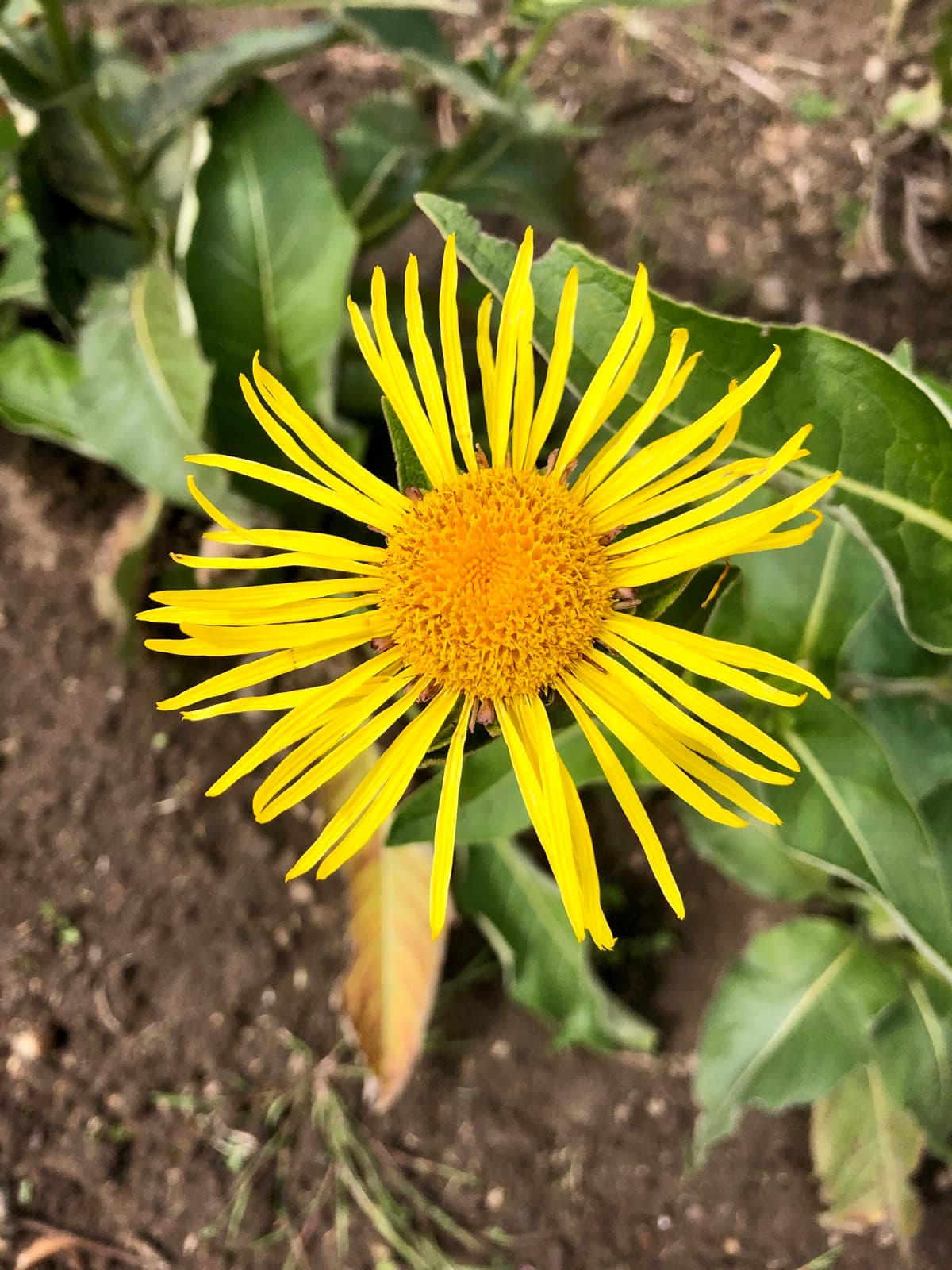
Elecampane is a tall, sunflower-family herb whose root has been used by herbalists for centuries, particularly for the chest and lungs. Its botanical name, Inula helenium, is said to honour Helen of Troy, with old stories claiming the bright yellow flowers sprang up where her tears fell. It is also known by the charming folk name Elfwort.
Traditional and historical use
The root is the part used in herbal practice. Across the herbal tradition, elecampane has been valued to:
- Support the respiratory system and a healthy, productive cough reflex
- Work with the body to clear excess catarrh and mucus from the chest
- Soothe the airways during seasonal colds, coughs and chestiness
- Support comfortable breathing as part of general respiratory care
Traditionally it has been described as warming and drying, which is why classical herbalists turned to it for damp, lingering chest conditions. The 17th-century herbalist Nicholas Culpeper wrote that elecampane could "warm a cold and windy stomach" and "clear internal blockages", reflecting how broadly the root was once relied upon.
How Amina considers it
In Amina's practice, elecampane is one of many botanicals that may be considered for people working through respiratory complaints or lingering chest symptoms, often as part of a wider plan that supports the whole person. It is never used in isolation, and any choice is individualised to the person in front of her, taking account of their history, sensitivities and any other herbs or medicines they are taking. You can read more about this approach on the consultations page.
Safety and considerations
As a member of the daisy (Asteraceae) family, elecampane may not suit those who are sensitive to related plants such as ragweed or chamomile. It is not appropriate for everyone, and like any herb it can interact with medications and is generally avoided in pregnancy. Always seek advice from a qualified practitioner before use, and get in touch if you would like to discuss whether it fits your situation.
This profile is educational and describes traditional use. It is not a treatment recommendation.
More from the herb database
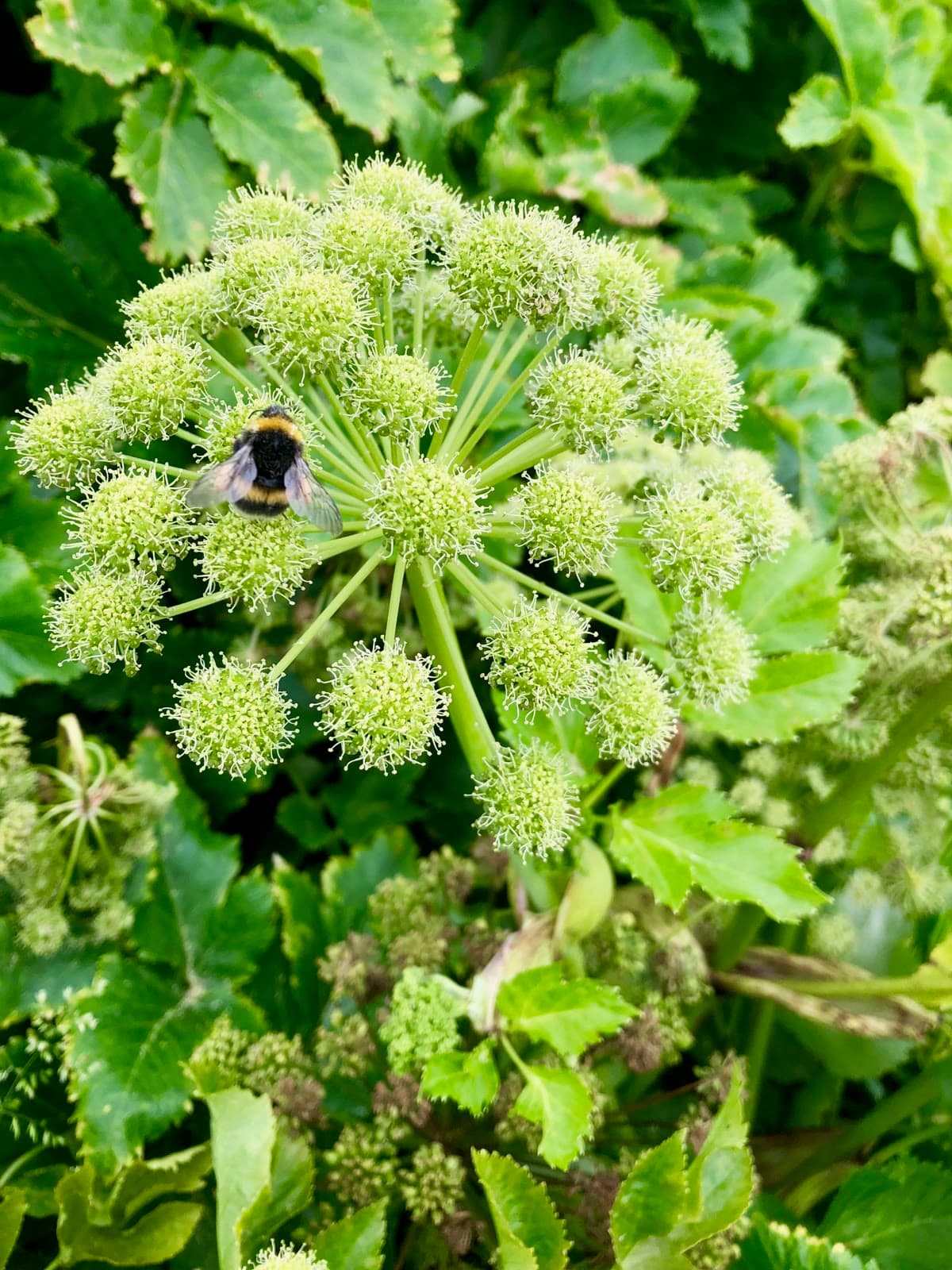
Angelica
Angelica (Angelica archangelica) is an aromatic herb traditionally used to support digestion, warmth and the nervous system. A botanical profile from Amina's herb database.
Read more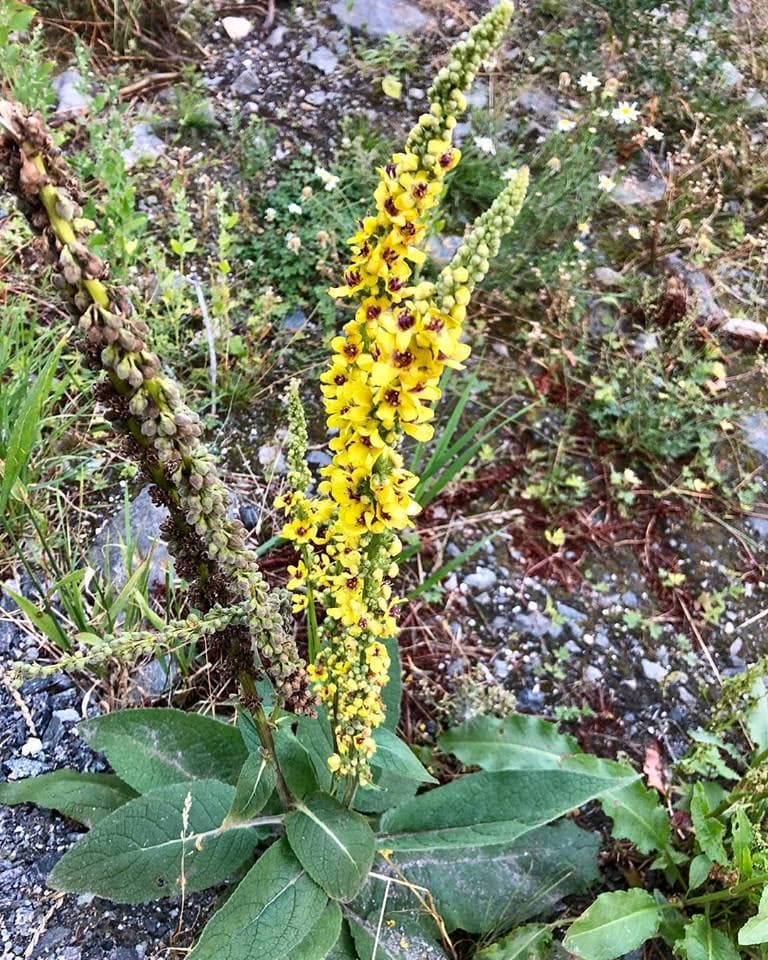
Mullein
Mullein is a soothing respiratory herb traditionally used to support the chest, throat and lungs. A botanical profile from Amina's herb database.
Read more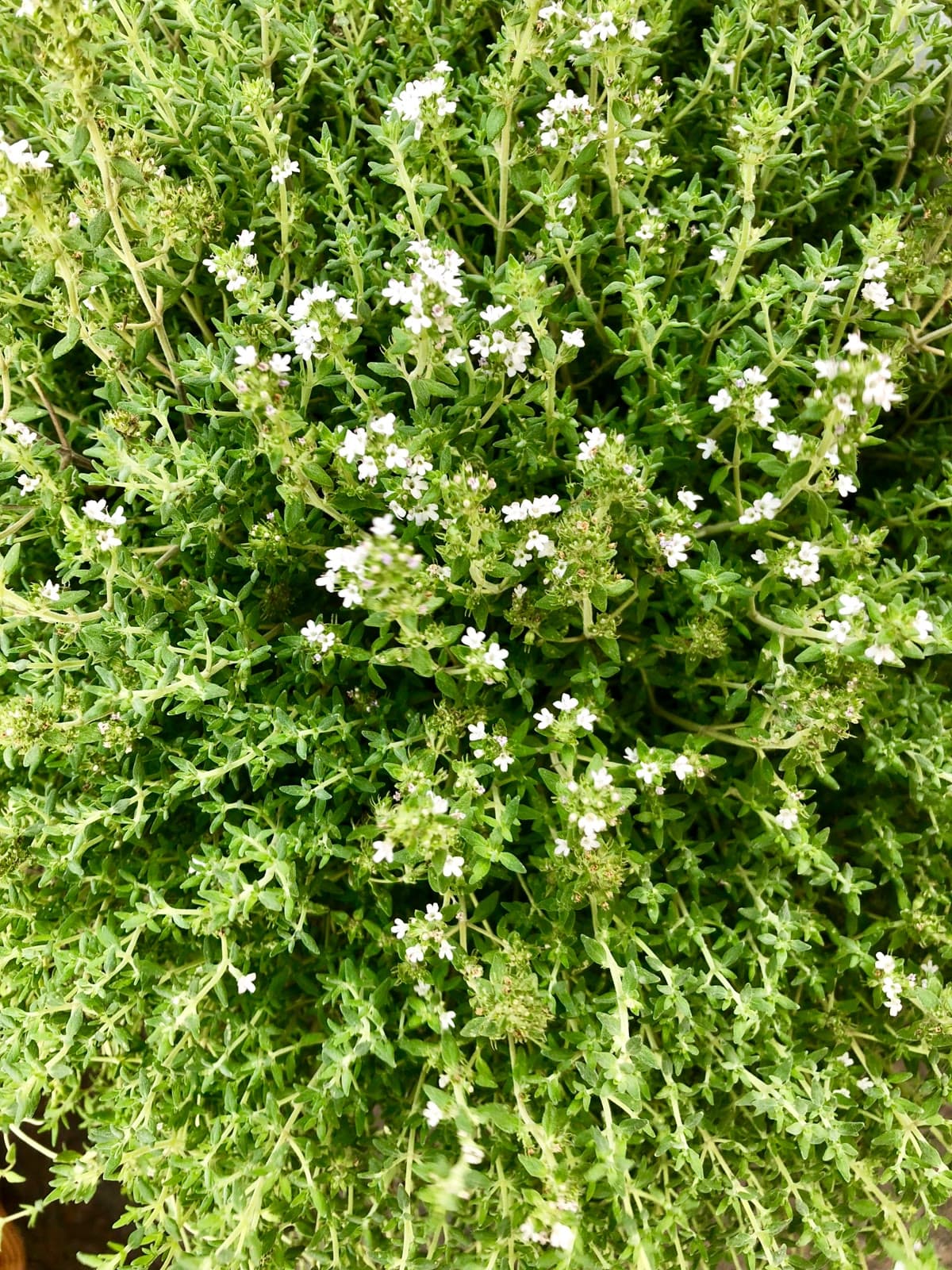
Thyme
Thyme is a common garden herb traditionally valued for the respiratory tract, antimicrobial support and gut balance. A botanical profile from Amina's herb database.
Read moreReady to find some answers?
Book an initial consultation with Amina, online or by phone, Australia-wide.