Punica granatum
Pomegranate
Pomegranate (Punica granatum) is a richly coloured fruit traditionally valued as an antioxidant-rich tonic. A botanical profile from Amina's herb database.
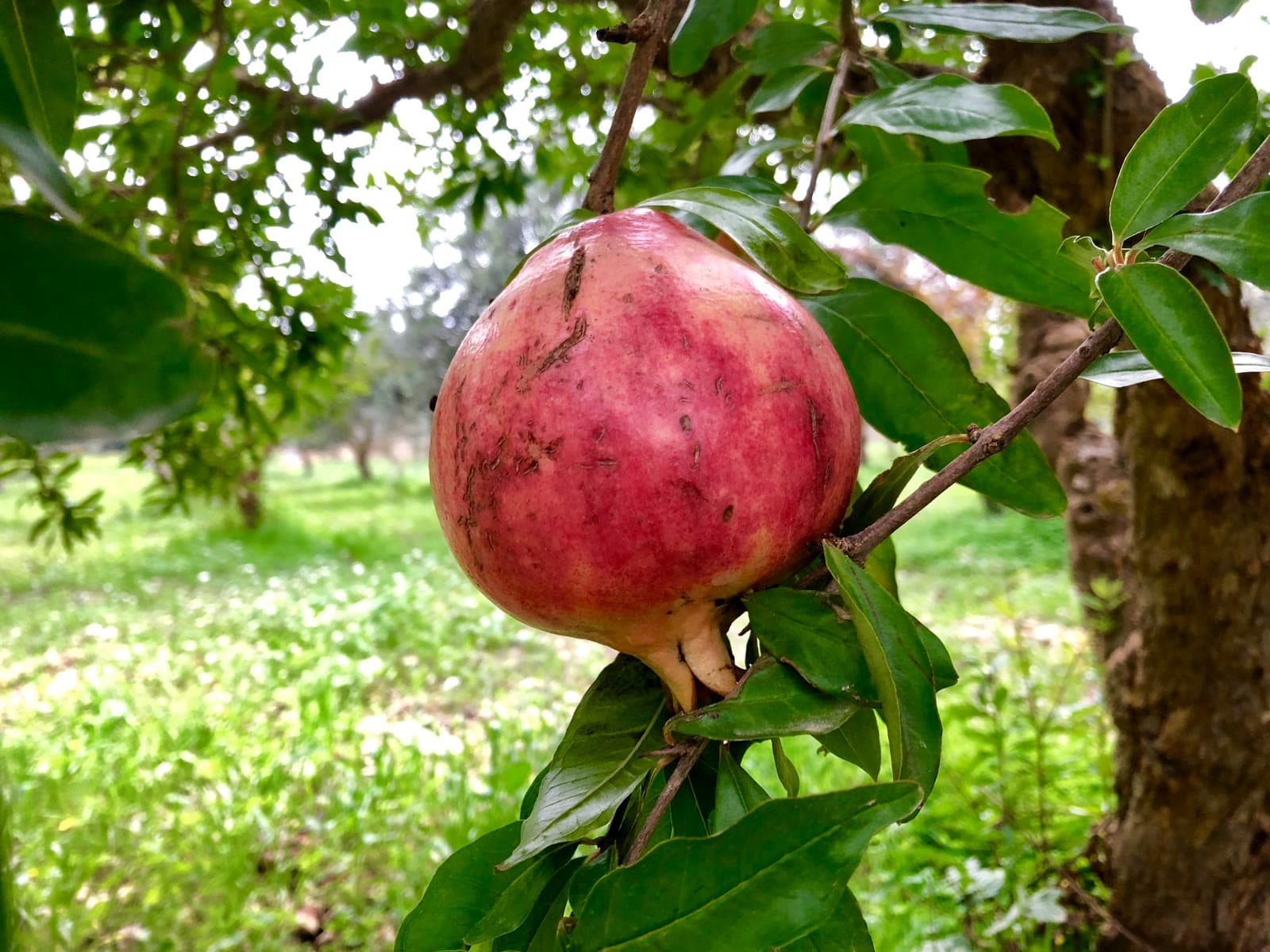
Pomegranate is one of the most ancient cultivated fruits, prized across the Mediterranean, the Middle East and beyond for its jewel-like arils and deep, tart juice. Amina encountered fresh pomegranate juices in the streets of Sicily, where the fruit has a long place in food and folk tradition. Its botanical name, Punica granatum, points to its many-seeded character, and the whole fruit, from the arils to the peel, has been valued for generations.
Traditional and historical use
Pomegranate has a long history in food and traditional practice. Across cultures it has been valued to:
- Provide a richly coloured, antioxidant-rich fruit enjoyed for general wellbeing
- Support the body as part of a varied, plant-rich diet
- Contribute minerals such as potassium, iron, calcium and phosphorus, plus vitamins A, B, C and K and fibre
- Offer a refreshing juice traditionally used in detox-style juicing and everyday nourishment
The fruit is naturally rich in plant compounds including punicalagins, found in particular in the peel, and punicic acid in the seeds. These constituents are part of why pomegranate has long been regarded as a nourishing, restorative food.
How Amina considers it
In Amina's practice, pomegranate is appreciated first as a whole food, a nourishing addition to a varied diet rather than a stand-alone remedy. Where it fits, it may be considered as one supportive element alongside other approaches, always as part of an individualised plan that takes the whole person into account. You can read more about Amina's approach on the consultations page.
Safety and considerations
Pomegranate is widely enjoyed as a food and is generally well tolerated. Concentrated extracts and juices can interact with certain medications, so anyone taking prescription medicines should check before using pomegranate in larger or supplemental amounts. As with any food or herb, individual sensitivities can occur. If you are unsure, or are pregnant, breastfeeding or managing a health condition, seek advice from a qualified practitioner. Feel free to get in touch with any questions.
This profile is educational and describes traditional use. It is not a treatment recommendation.
More from the herb database
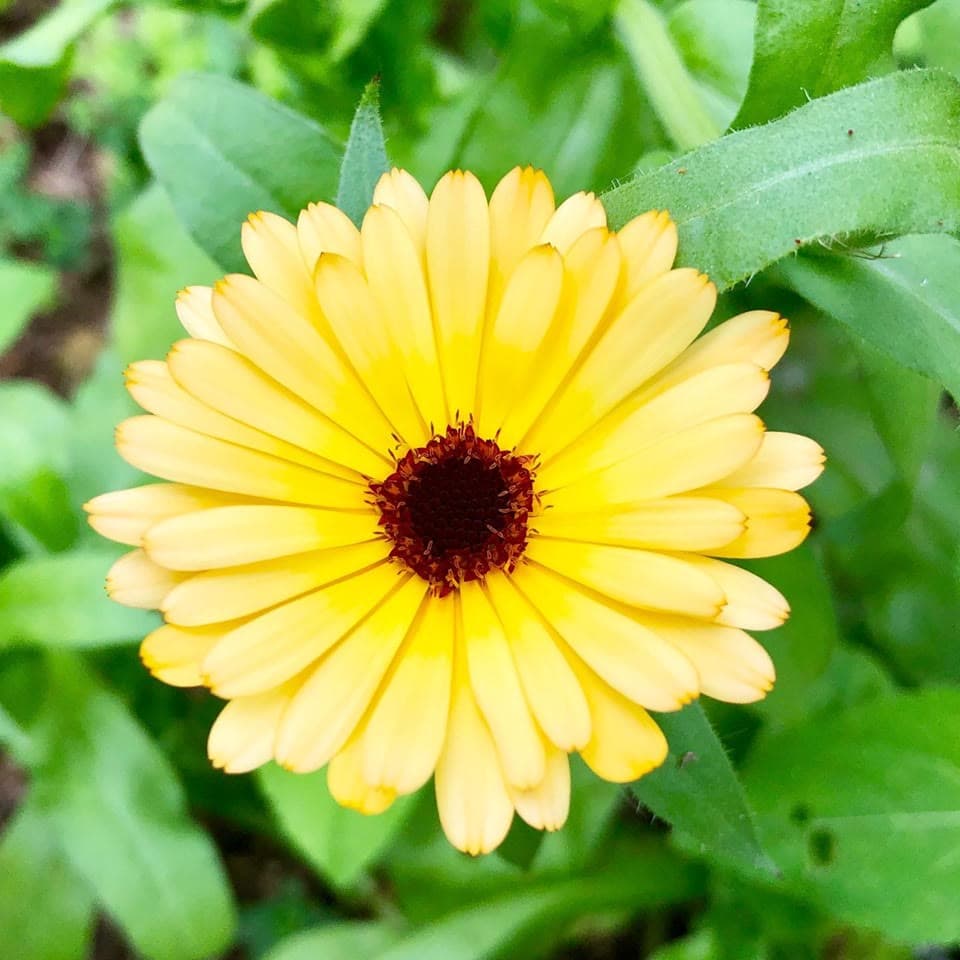
Calendula
Calendula is a gentle golden flower traditionally valued for soothing the skin and the lining of the gut. A botanical profile from Amina's herb database.
Read more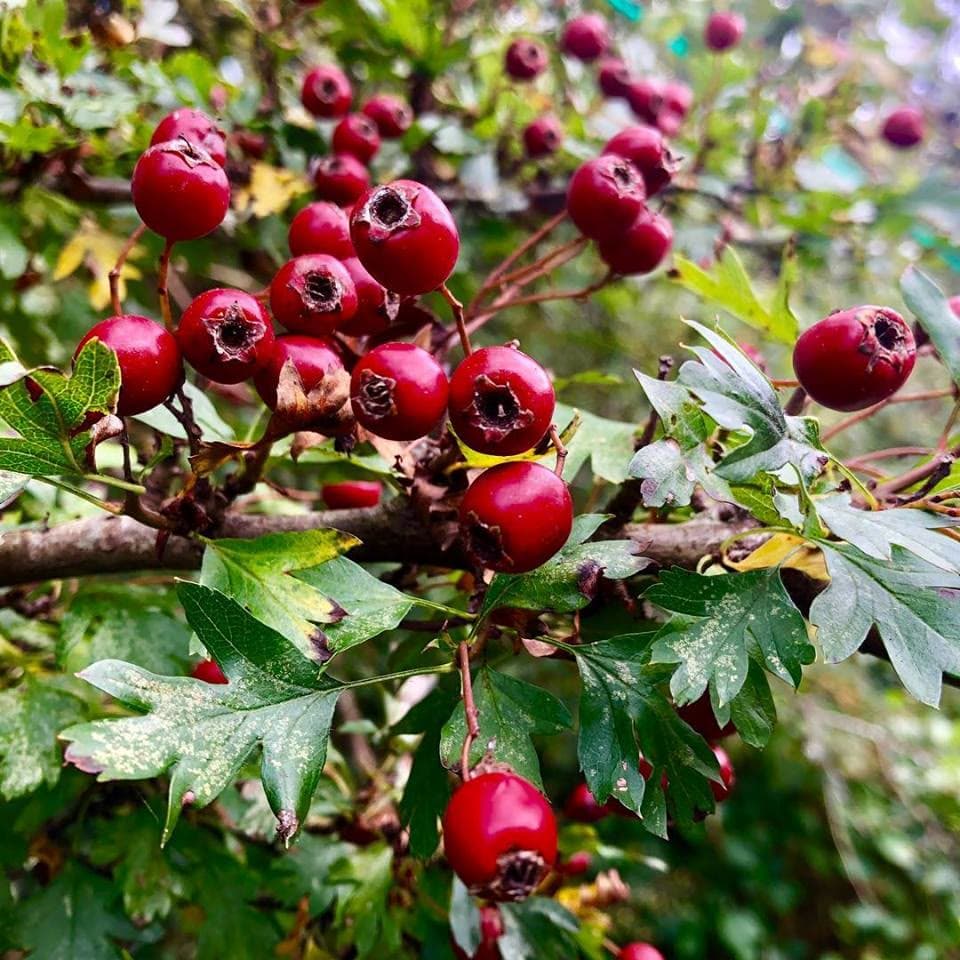
Hawthorn
Hawthorn (Crataegus monogyna) is a hedgerow tree traditionally valued as a herb for the heart. A botanical profile from Amina's herb database.
Read more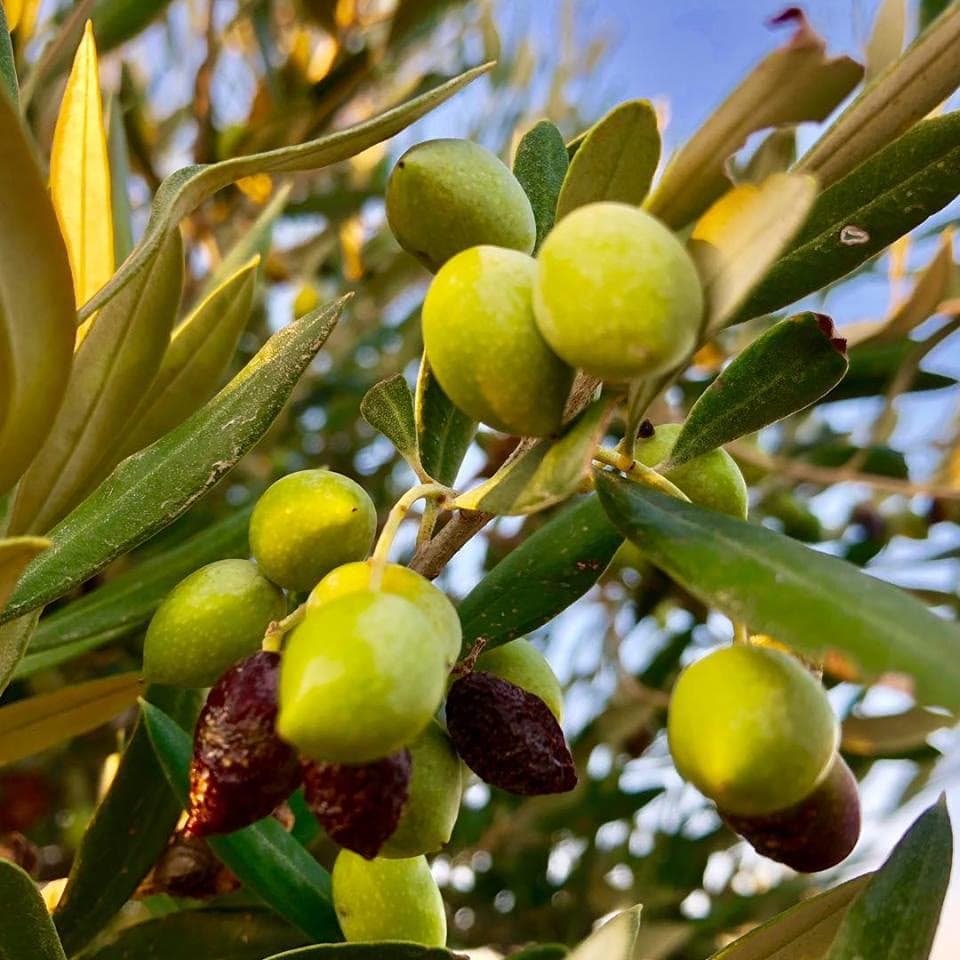
Olive Leaf (Olea europaea)
Olive leaf (Olea europaea) has a long Mediterranean tradition as a bitter tonic and antioxidant herb. A botanical profile from Amina's herb database.
Read moreReady to find some answers?
Book an initial consultation with Amina, online or by phone, Australia-wide.