Salvia officinalis
Sage
Sage (Salvia officinalis) is an ancient aromatic herb traditionally valued as an astringent and antioxidant tonic. A botanical profile from Amina's herb database.
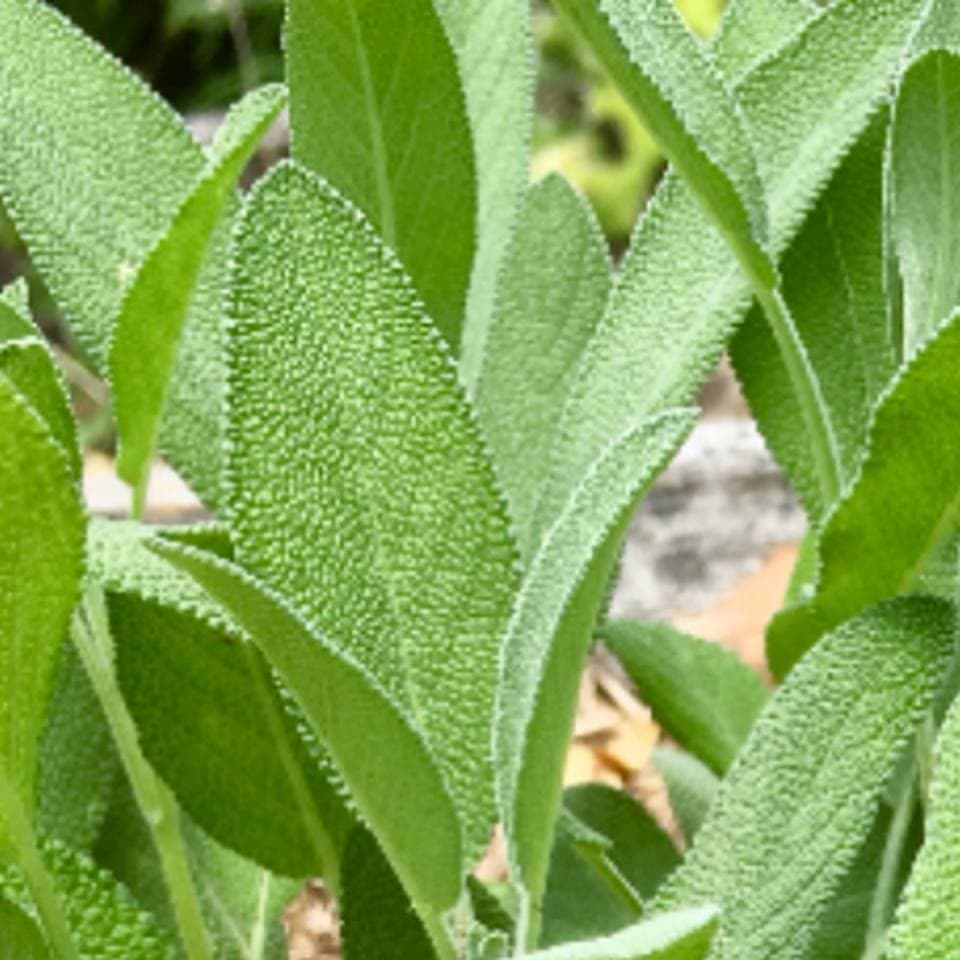
Sage is an ancient aromatic herb written about by many historians for good reason. Native to the Mediterranean, it has been grown and eaten in traditional dishes across Greece and France for centuries. There are many varieties, with the leaves and aerial flowers being the parts most commonly used. Sage is recognised as a warming, astringent herb with a long-standing reputation as an antioxidant for the body.
Traditional and historical use
Sage carries a rich written history. Hippocrates is recorded as using it, Dioscorides described it among his materia medica, and Leonardo da Vinci is said to have sketched and studied the plant. Traditionally it has been valued to:
- Work with the throat and respiratory tract, especially soothing a sore or scratchy throat
- Support the body during times of excess perspiration and flushing, including the changes of menopause
- Help with digestive comfort, easing occasional flatulence and that overfull feeling after meals
- Support memory and concentration, a use noted across many traditional texts
- Offer aromatic, astringent and antioxidant qualities to the body
Sage also makes a pleasant tea, so the leaves are easy to use at home as a simple infusion.
How Amina considers sage
In Amina's practice, sage is one of the first herbs she reaches for when someone has a sore throat, and it is also often considered for menopausal flushing and excess sweating. As an aromatic and astringent herb, it may be drawn on as part of a broader plan. Sage is always chosen within an individualised approach, never in isolation, and you can read more about how this works on the consultations page.
Safety and considerations
Sage is traditionally known to reduce milk supply, so it is generally avoided by breastfeeding mothers unless that effect is specifically wanted. It is best used short term rather than continuously over long periods. As with any herb, sage can interact with medications and is not appropriate for everyone, so always seek advice from a qualified practitioner before use. If you would like tailored guidance, feel free to get in touch.
This profile is educational and describes traditional use. It is not a treatment recommendation.
More from the herb database
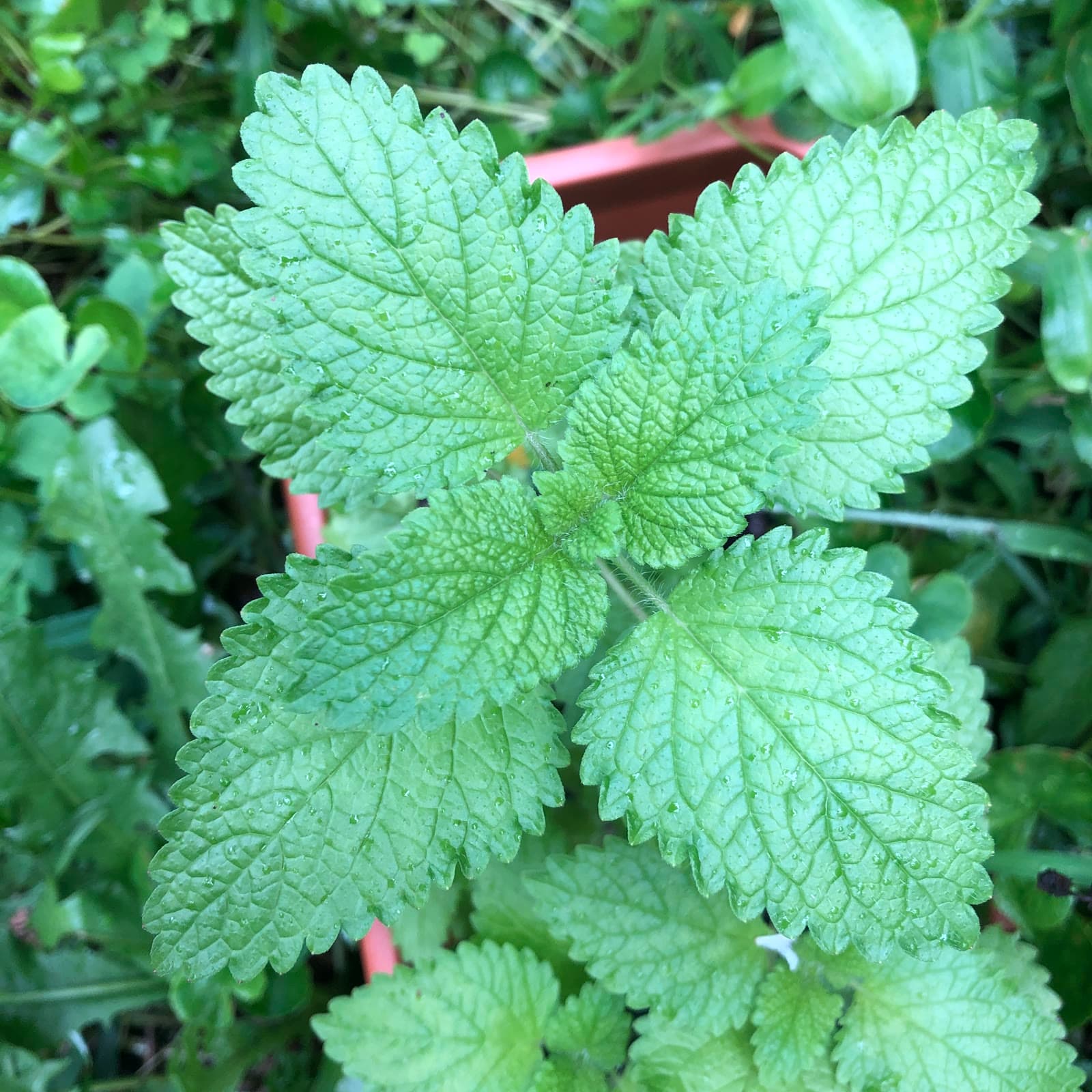
Lemon Balm
Lemon balm (Melissa officinalis) is a fragrant garden herb traditionally valued to calm the nerves, settle digestion and lift the spirits. A botanical profile from Amina's herb database.
Read more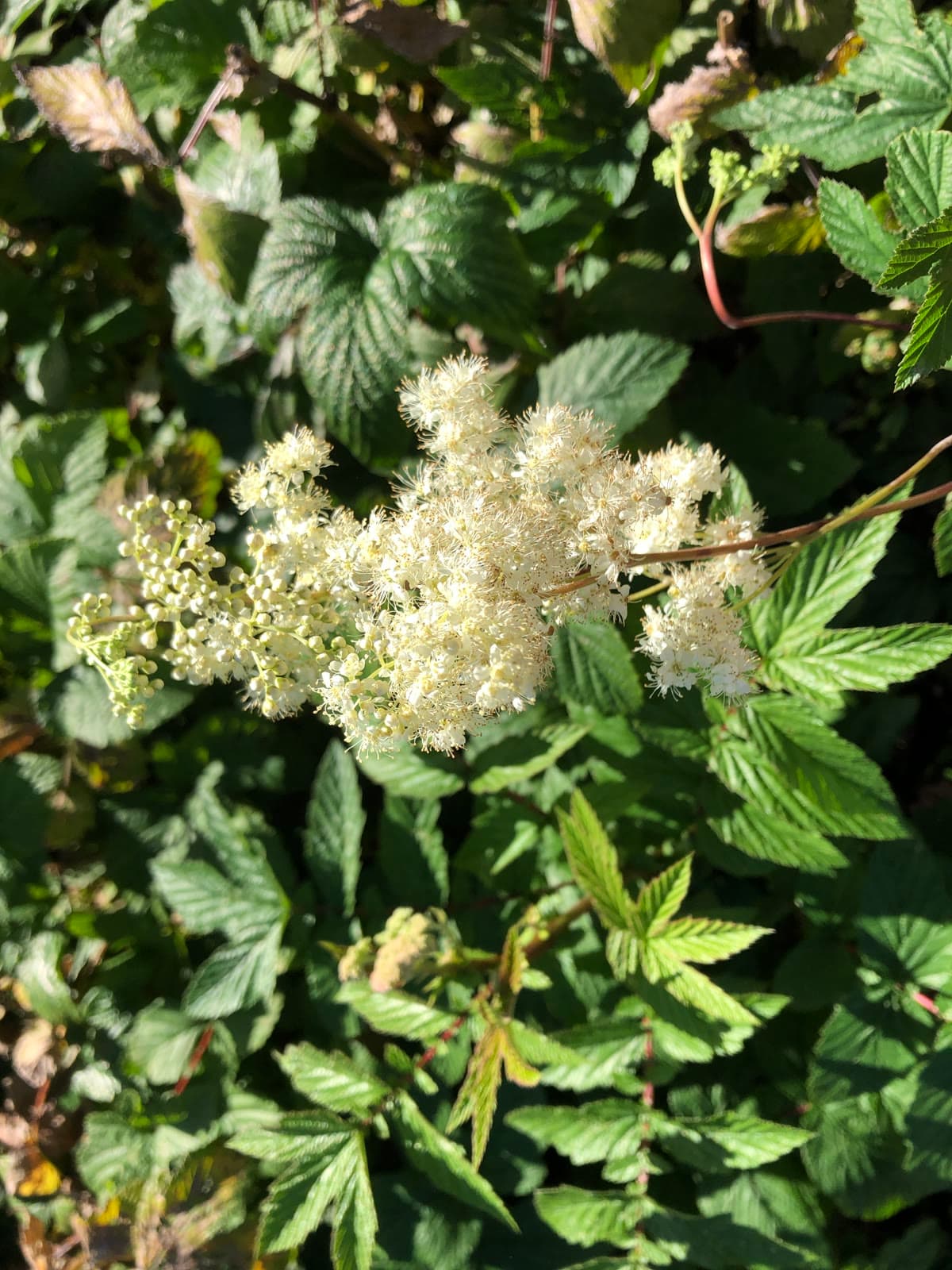
Meadowsweet
Meadowsweet (Filipendula ulmaria) is a gentle herb traditionally valued to support comfortable digestion and a settled, soothed digestive tract. A profile from Amina's herb database.
Read more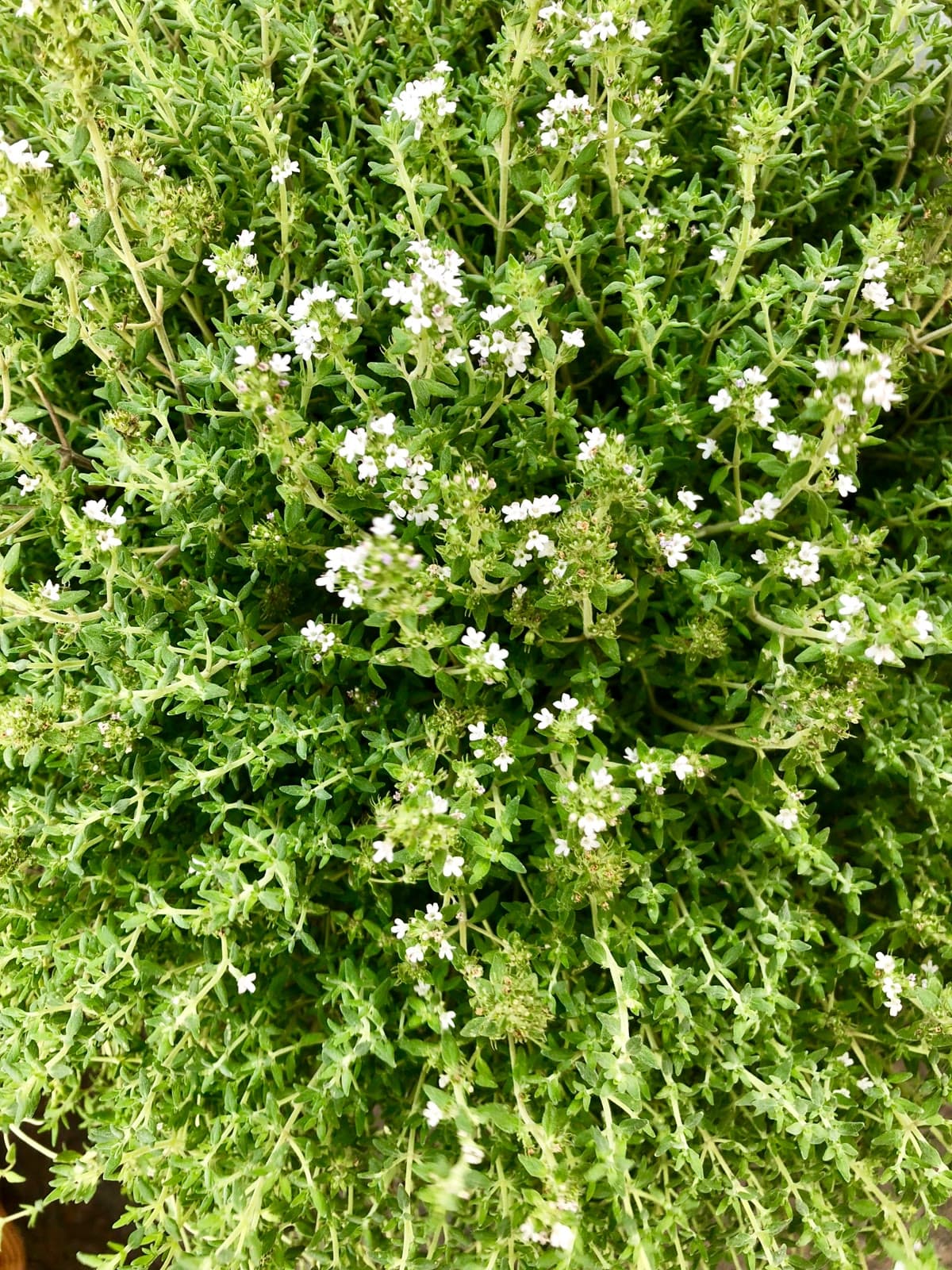
Thyme
Thyme is a common garden herb traditionally valued for the respiratory tract, antimicrobial support and gut balance. A botanical profile from Amina's herb database.
Read moreReady to find some answers?
Book an initial consultation with Amina, online or by phone, Australia-wide.