Urginea maritima (syn. Drimia maritima)
Sea Squill
Sea squill is one of the oldest recorded medicinal plants, traditionally used in ancient Greece and Egypt. A botanical profile from Amina's herb database.
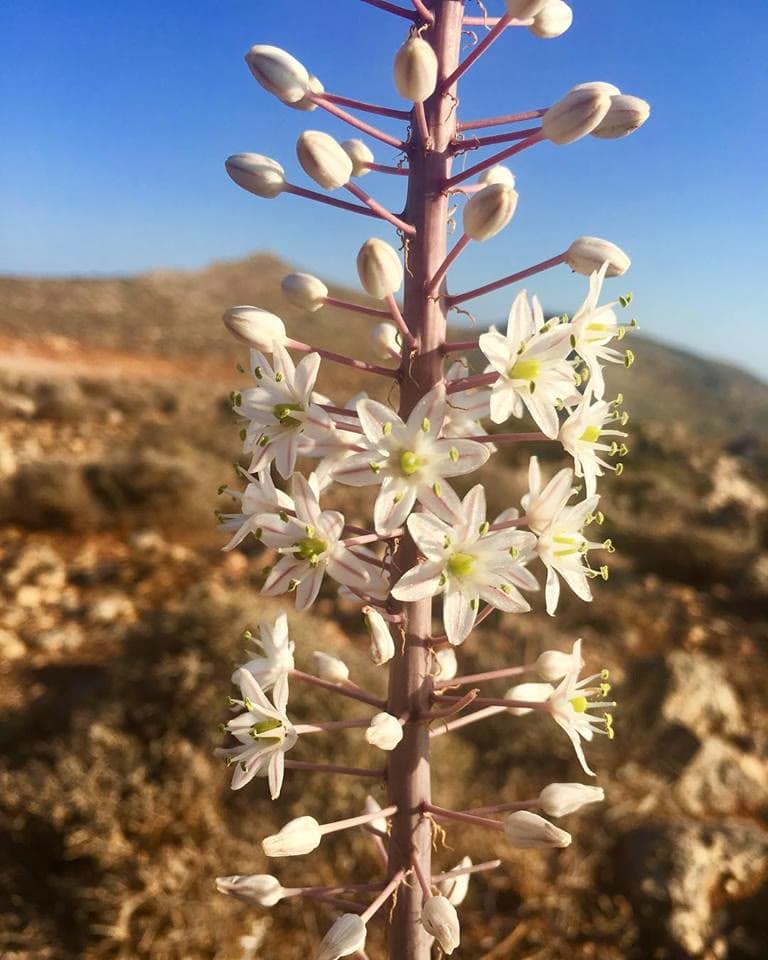
Sea squill is one of the oldest medicinal plants on record, with written references stretching back to Egypt around 1600BC and to the Greek philosopher Pythagoras around 600BC. A striking Mediterranean plant, it grows across rocky mountainsides, cliff edges and dry coastal ground, sending up a tall flowering spike from a large onion-like bulb.
Traditional and historical use
Sea squill has a long and well-documented place in classical Mediterranean herbal tradition. Historically it has been associated with:
- Use since ancient times in Greece, where Pythagoras is said to have combined it with honey for coughs and chest complaints
- A reputation as a preventative tonic in early Greek practice
- Records from Hippocrates referencing its use in his era
- A traditional preparation of the bulb steeped in vinegar, taken as a tonic over many centuries
- Folk custom rather than medicine: Greek households would hang the plant by the front door for good luck in the new year
The bulb has traditionally been described as having diuretic, expectorant and related properties, which is why so much of its historical reputation centres on the respiratory system. These are descriptions of historical use only.
How Amina considers it
Sea squill is a plant Amina includes in her herb database largely for its remarkable history rather than as a frontline remedy, as it is a potent plant that calls for considerable care. Where any herb is considered in clinical practice, it is only ever as part of an individualised plan that takes the whole person into account, never chosen in isolation or self-prescribed. If you would like to understand how traditional herbs might fit your situation, the place to start is a consultation.
Safety and considerations
Sea squill is a powerful plant and is not suitable for general or self-directed use. It contains active compounds that can affect the heart and is considered toxic in anything beyond carefully controlled traditional preparation. It is not appropriate during pregnancy or breastfeeding, can interact with medications, and should never be used without the guidance of a suitably qualified practitioner. If you are curious about traditional herbs and how they are used safely, please get in touch.
This profile is educational and describes traditional and historical use only. It is not a treatment recommendation.
More from the herb database
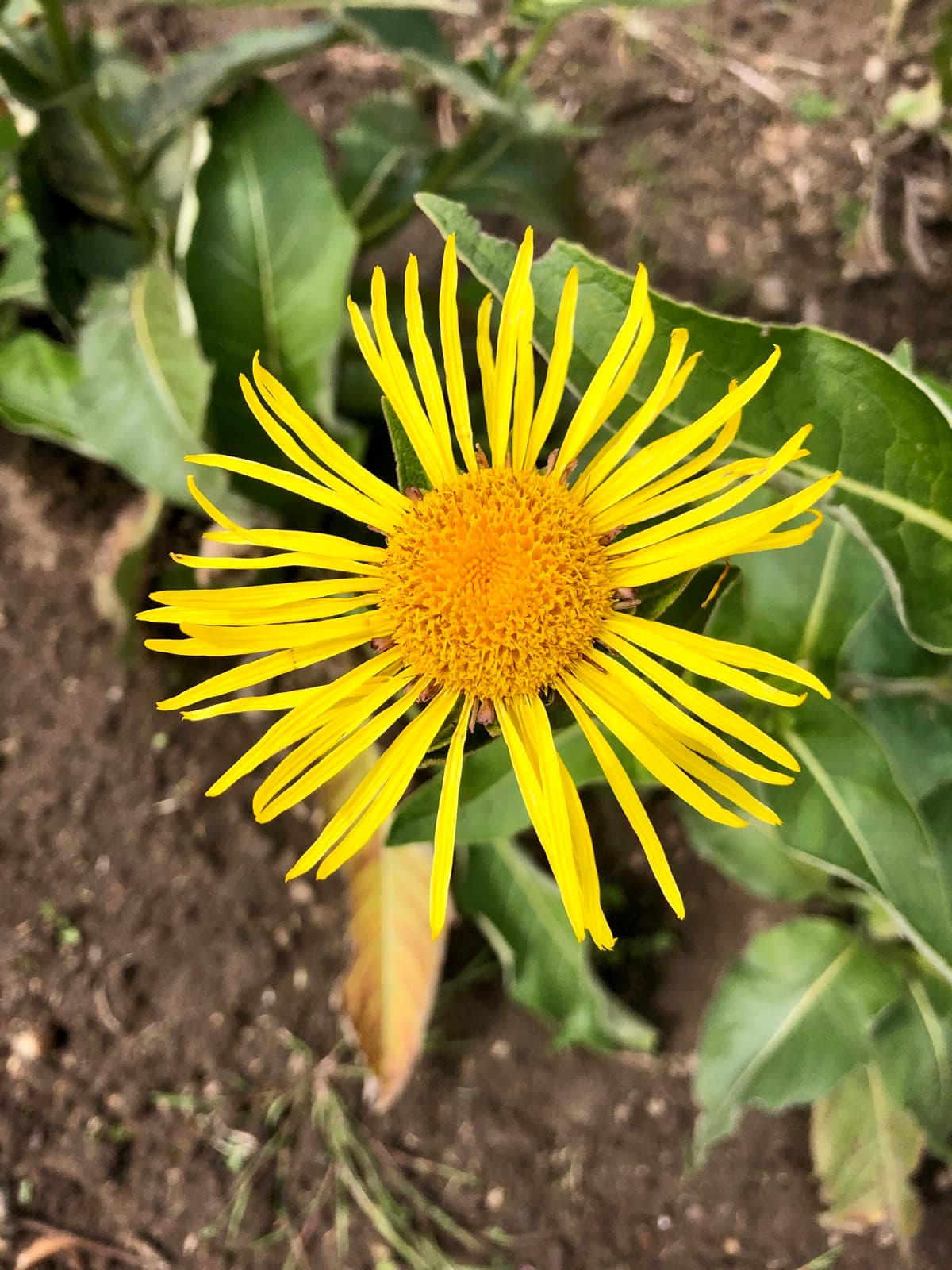
Elecampane
Elecampane (Inula helenium) is a traditional respiratory herb long valued by herbalists to support the lungs, soothe coughs and clear catarrh. A profile from Amina's herb database.
Read more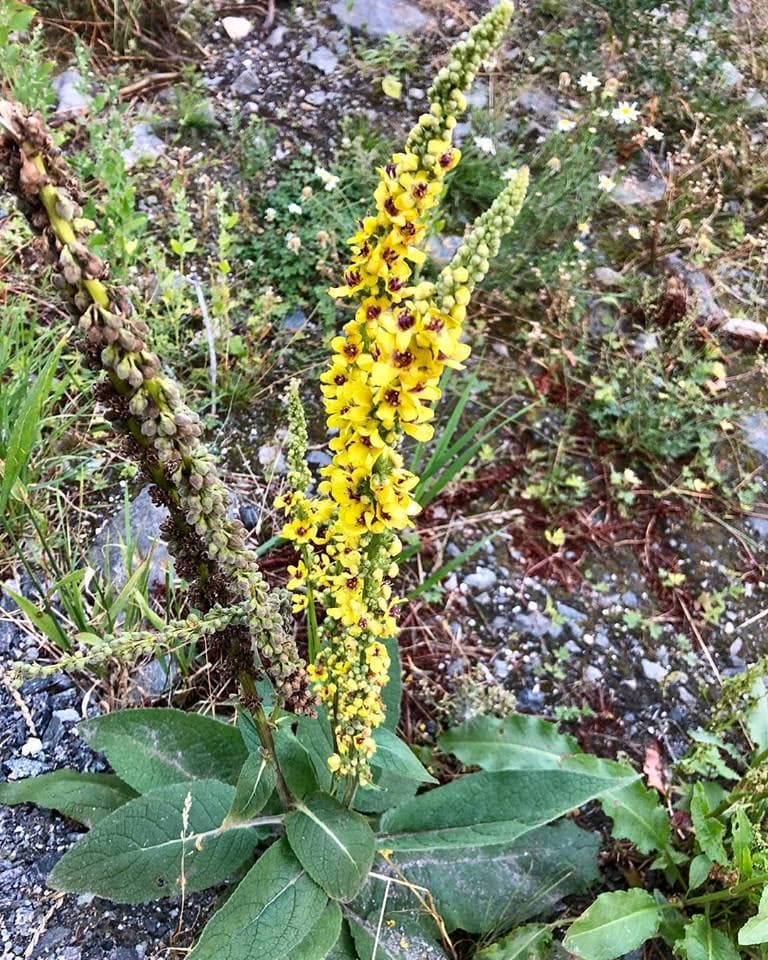
Mullein
Mullein is a soothing respiratory herb traditionally used to support the chest, throat and lungs. A botanical profile from Amina's herb database.
Read more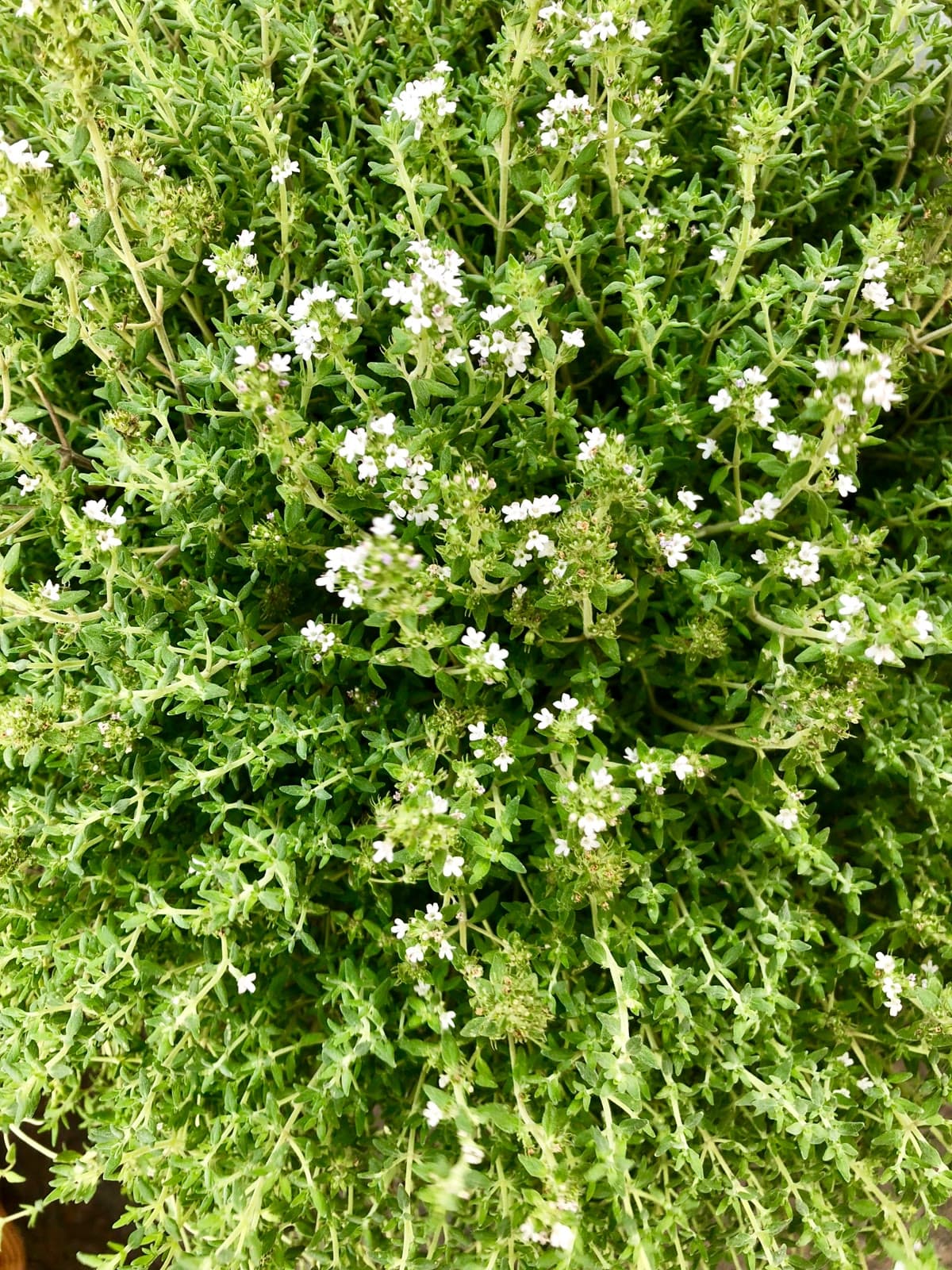
Thyme
Thyme is a common garden herb traditionally valued for the respiratory tract, antimicrobial support and gut balance. A botanical profile from Amina's herb database.
Read moreReady to find some answers?
Book an initial consultation with Amina, online or by phone, Australia-wide.