Castanea sativa
Sweet Chestnut
Sweet chestnut (Castanea sativa) is a majestic Mediterranean tree with a long folk-medicine history. A botanical profile of its traditional uses from Amina's herb database.
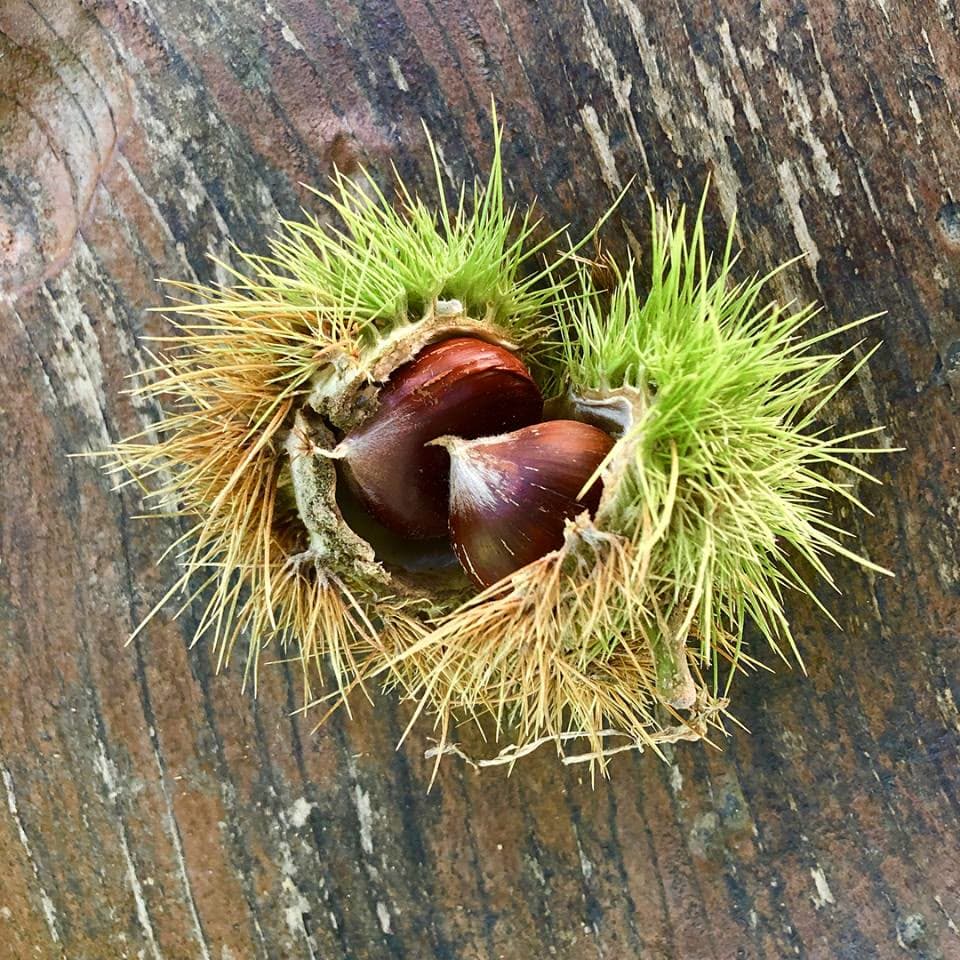
Sweet chestnut (Castanea sativa) is a magnificent tree found throughout the mountains of the Mediterranean, including along the east coast of Crete where it has been observed growing to remarkable size. Some specimens reach 35 metres tall with a vast trunk, and certain old trees are said to live for many centuries. Beyond its place at the dinner table, the tree carries a long history in European folk medicine and flower-essence traditions.
Traditional and historical use
Sweet chestnut has been woven into Mediterranean life for thousands of years, both as a food and in traditional practice. Historically it has been associated with:
- A staple food in the Greek and Roman diet, where the dried and cooked nuts are sweet and feature in an array of desserts and jams
- Leaves prepared traditionally as a tea in old folk practice for coughs and fevers
- The bark, which the classical herbalist Culpeper described being dried, powdered and combined with honey as an old remedy for cough
- Flowers used in the Bach Flower Remedies, traditionally associated with moments of deep emotional despair when a person feels they have reached the end of their endurance
In Elos, in western Crete, a Sweet Chestnut Festival is held each October where many traditional recipes are shared and celebrated, a reflection of how central the tree has been to local culture.
How Amina considers it
Sweet chestnut is more a part of cultural and folk tradition than a mainstay of clinical herbal practice, and Amina shares it here largely for its rich history and its place in the Bach flower lineage. Where any herb or flower essence is considered, it is only ever as part of a thoughtful, individualised plan that takes the whole person into account, never as a standalone remedy.
Safety and considerations
Cooked sweet chestnuts are a well-loved traditional food and are generally enjoyed as such. Herbal preparations of the leaves, flowers or bark, and flower essences, are a different matter and should only be used with guidance. Plant material can interact with medications and is not suitable for everyone, and foraged tree material should always be correctly identified. Always seek advice from a qualified practitioner before using any herbal preparation, and speak with your own healthcare provider about any persistent cough or fever.
This profile is educational and describes traditional use. It is not a treatment recommendation.
More from the herb database
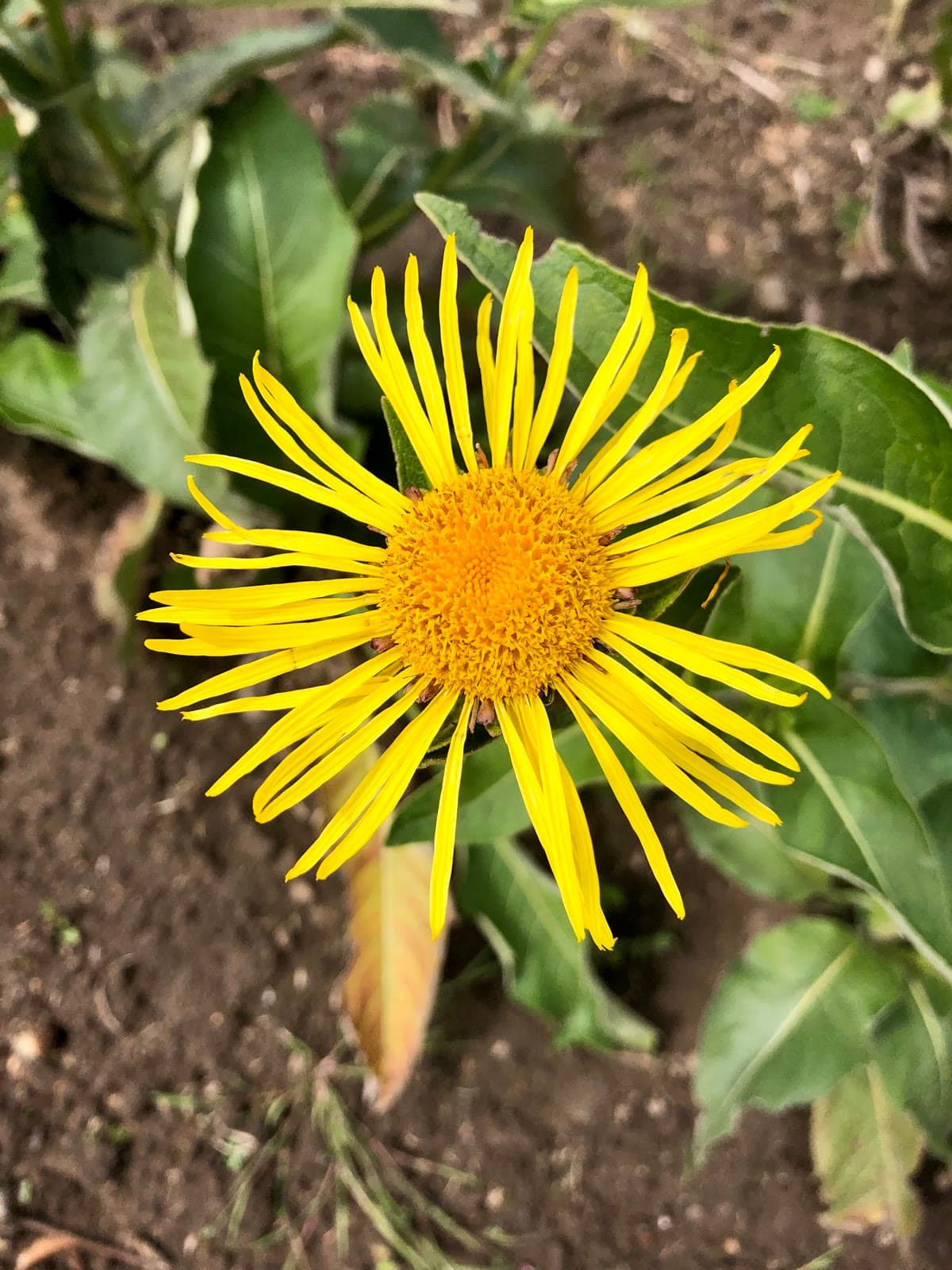
Elecampane
Elecampane (Inula helenium) is a traditional respiratory herb long valued by herbalists to support the lungs, soothe coughs and clear catarrh. A profile from Amina's herb database.
Read more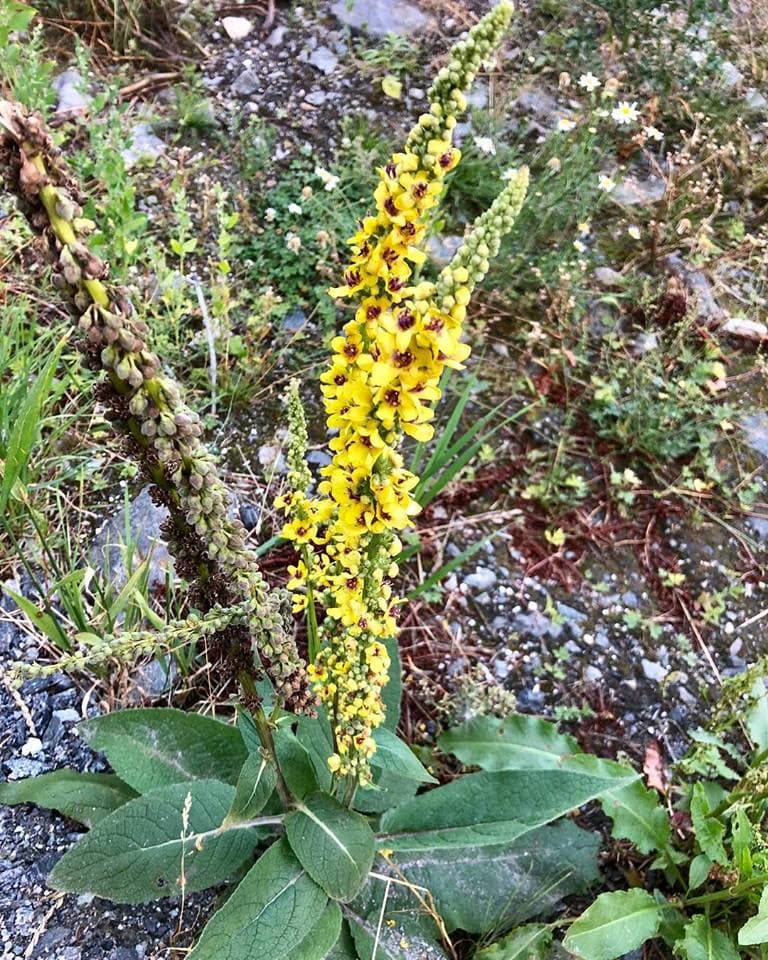
Mullein
Mullein is a soothing respiratory herb traditionally used to support the chest, throat and lungs. A botanical profile from Amina's herb database.
Read more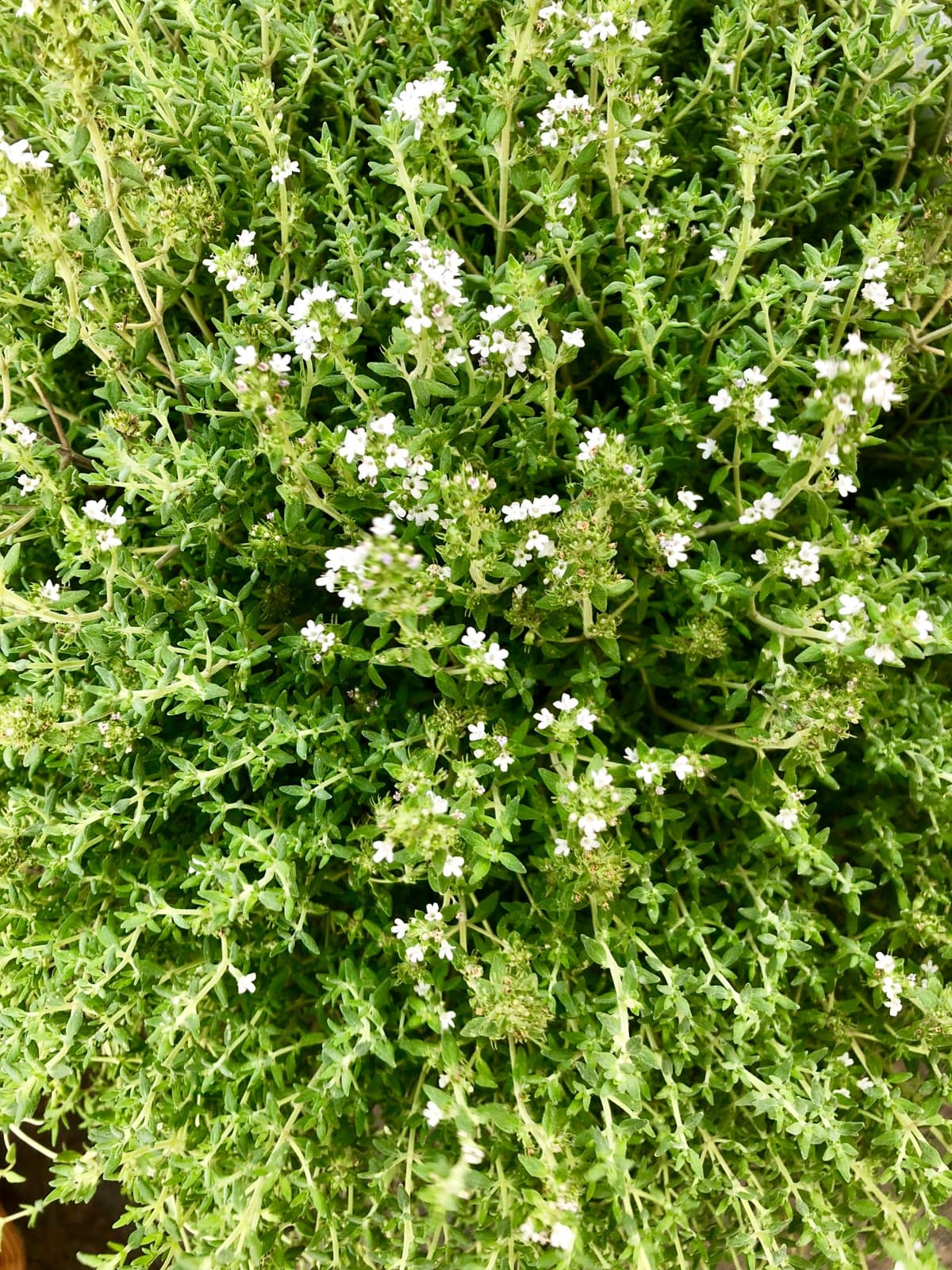
Thyme
Thyme is a common garden herb traditionally valued for the respiratory tract, antimicrobial support and gut balance. A botanical profile from Amina's herb database.
Read moreReady to find some answers?
Book an initial consultation with Amina, online or by phone, Australia-wide.