Sambucus nigra
Elder Berry
Elder berry (Sambucus nigra) has a long folk history in herbal medicine for immune and winter wellness. A botanical profile from Amina's herb database.
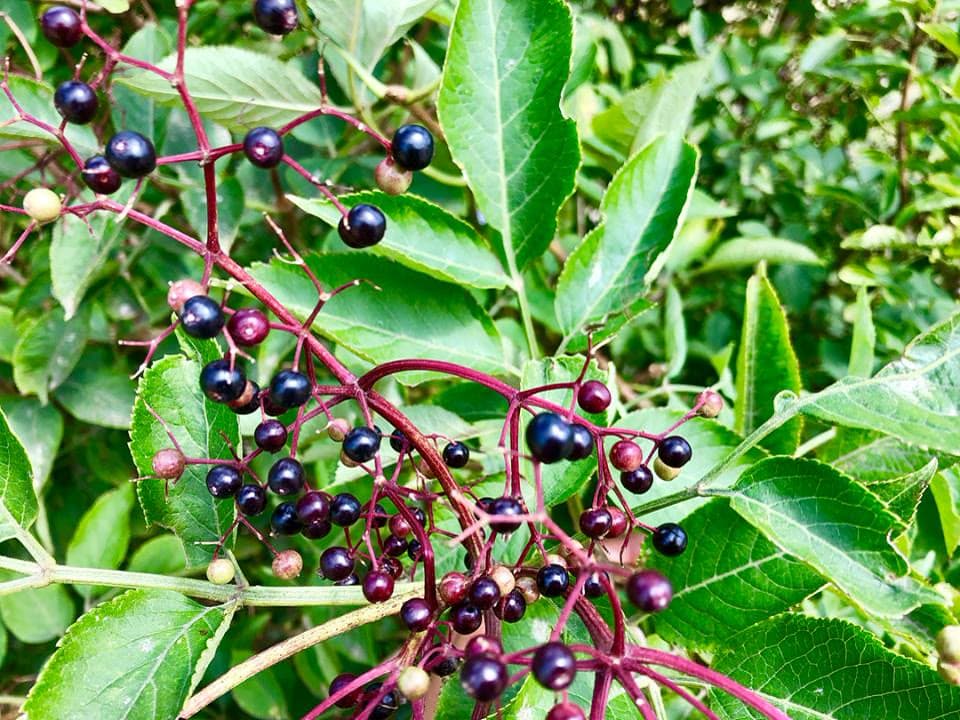
Elder berry, from the European elder tree (Sambucus nigra), is one of the most enduring plants in the Western herbal tradition. The deep purple berries and the creamy elder flowers have both been gathered for generations, including along the hedgerows and coastal cliffs of Europe where elder grows wild. Both the berry and the flower carry their own traditional reputation.
Traditional and historical use
In folk and traditional herbal medicine, elder has long been valued to:
- Support the immune system, particularly through the cooler months
- Work with the body during seasonal colds and chills
- Support the upper respiratory tract, where the flowers were traditionally used for congestion and catarrh
- Encourage gentle sweating during feverish states, as a traditional diaphoretic
- Soothe sore throats and sinus discomfort, often as an elder flower tea
The berries are also a rich source of natural pigments and have traditionally been associated with antioxidant qualities. Across European herbalism the elder tree was so well regarded that it earned an almost folkloric status as a household medicine plant.
How Amina considers elder berry
In Amina's practice, elder berry is one of many botanicals that may be considered as part of an immune-focused or seasonal support plan, often where the respiratory system is involved or where someone feels run down. It is never used in isolation and is always chosen as part of an individualised plan shaped around the whole person. If immune resilience is a concern, this is the kind of detail explored within a consultation.
Safety and considerations
Only the ripe, properly prepared berries and the flowers are used. Raw or unripe berries, along with the leaves, bark and stems, contain compounds that can cause nausea and are not suitable for use. As with any herb, elder can interact with medications and is not appropriate for everyone, including in pregnancy and for those with certain health conditions. Always seek advice from a qualified practitioner before use, and speak with Amina through the contact page if you would like guidance.
This profile is educational and describes traditional use. It is not a treatment recommendation.
More from the herb database
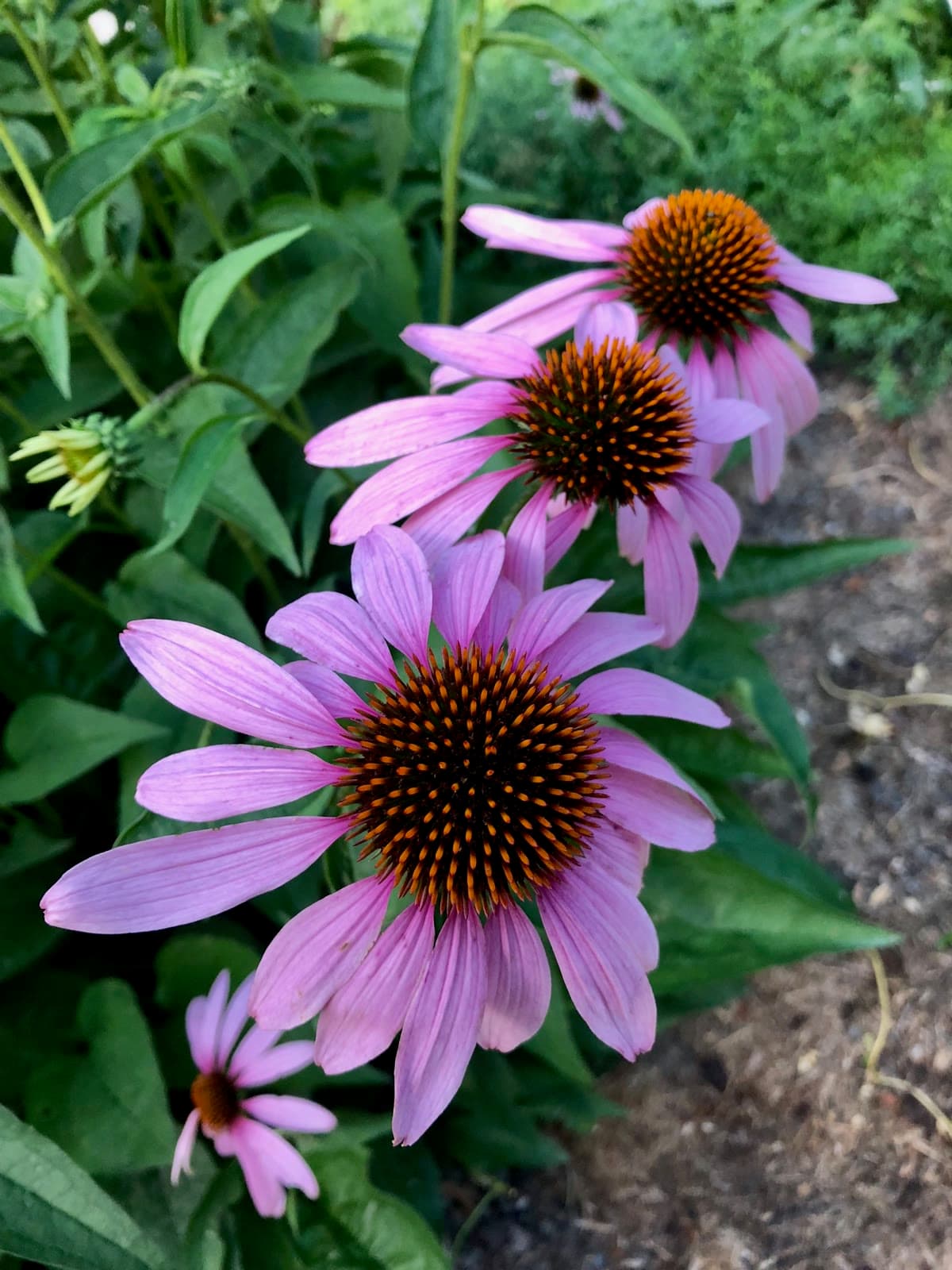
Echinacea
Echinacea is a celebrated immune herb traditionally used to support the immune system, the lymphatics and the skin. A botanical profile from Amina's herb database.
Read more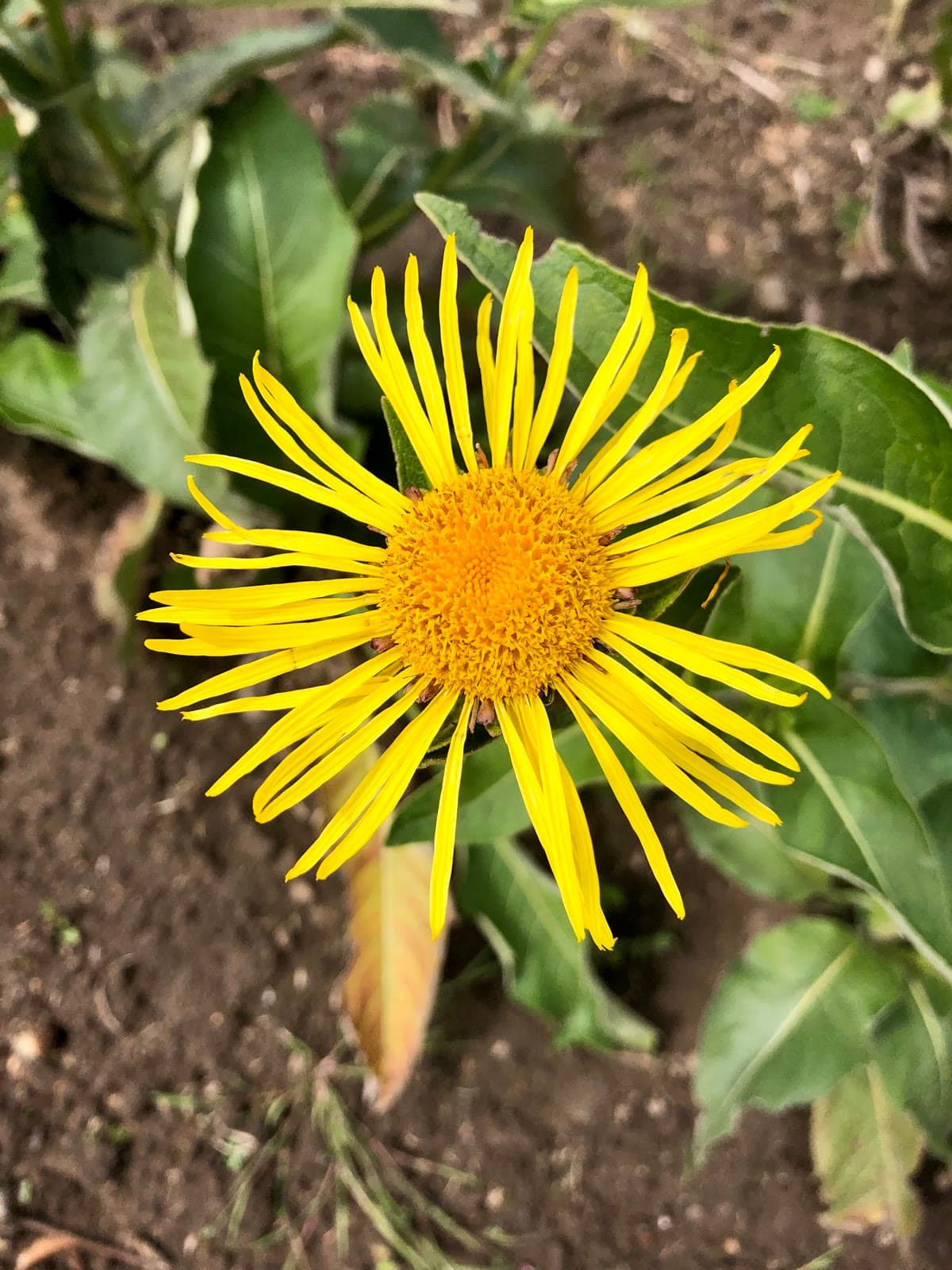
Elecampane
Elecampane (Inula helenium) is a traditional respiratory herb long valued by herbalists to support the lungs, soothe coughs and clear catarrh. A profile from Amina's herb database.
Read more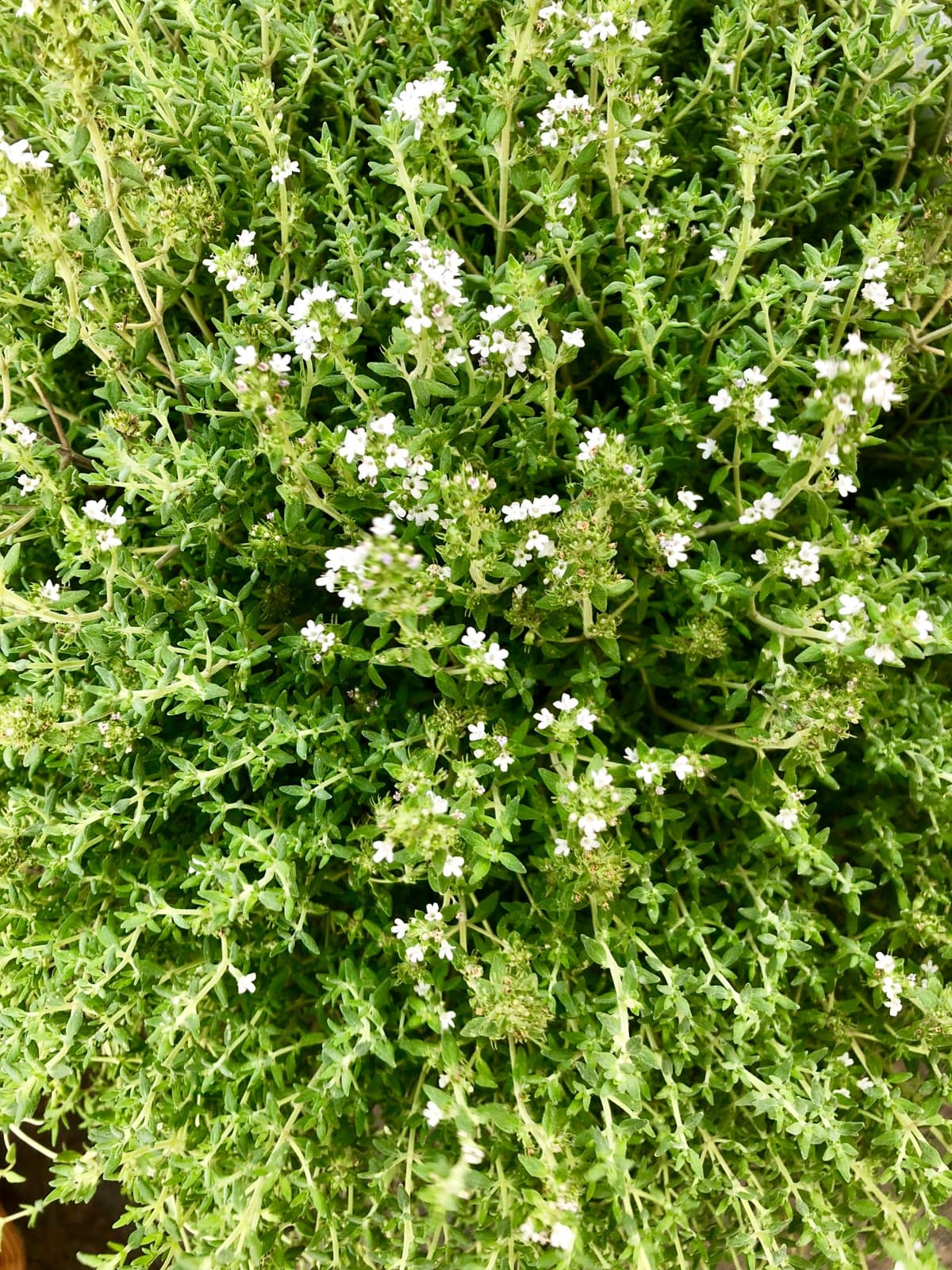
Thyme
Thyme is a common garden herb traditionally valued for the respiratory tract, antimicrobial support and gut balance. A botanical profile from Amina's herb database.
Read moreReady to find some answers?
Book an initial consultation with Amina, online or by phone, Australia-wide.