Vitis vinifera
Grape (Seeds & Leaves)
Grape seeds and vine leaves have a long history in food and traditional herbal use, valued for antioxidant and circulatory support. A profile from Amina's herb database.
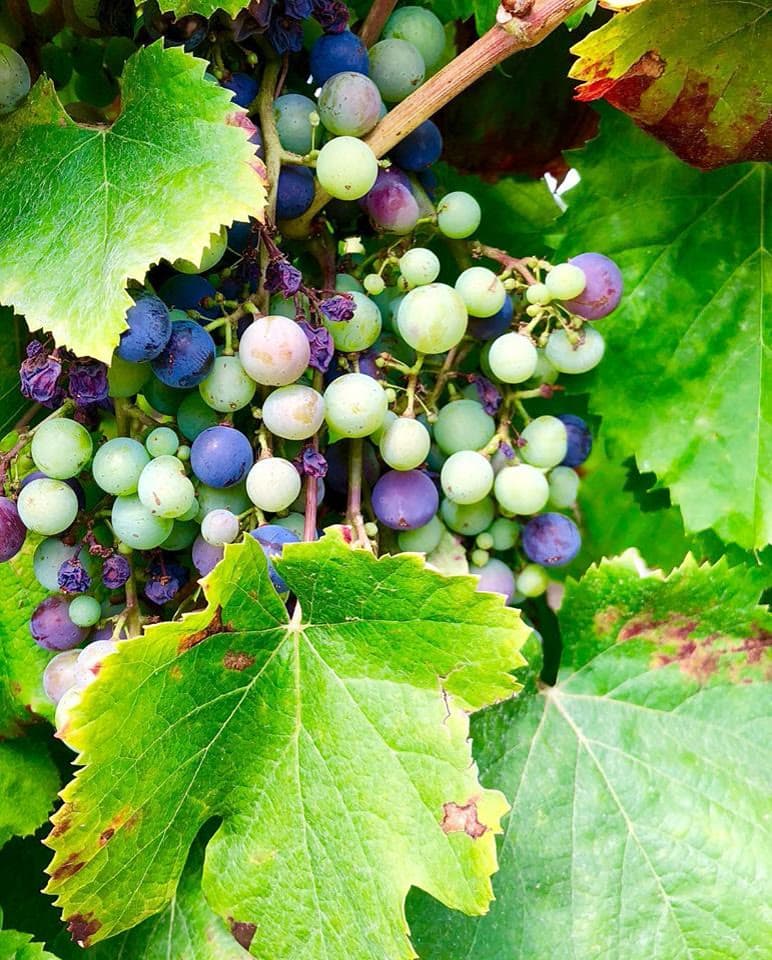
The grape vine has been woven into the food and folk traditions of Greece, France and the wider Mediterranean for thousands of years. Both the seeds and the leaves of Vitis vinifera have their place: the leaves as a cherished cooking ingredient, the seeds as a long-respected source of antioxidants.
Traditional and historical use
Grape has been used as both food and traditional medicine since ancient times. Across these traditions it has been valued in a number of ways:
- Vine leaves are used in Greek cooking, most famously in dolmades, the stuffed leaves filled with rice, herbs, egg and lemon
- Leaves are often preserved in salt so they can be enjoyed throughout the year
- Grape seeds have long been regarded as antioxidant-rich and have a traditional reputation for supporting the vascular system
- The astringent quality of grape seeds is traditionally associated with toning and supporting healthy circulation
- Grape seeds are also traditionally linked with supporting collagen and connective tissue
Grapes grown in harsher climates, whether very hot or notably cool, naturally produce more resveratrol, a beneficial plant compound the vine makes in response to environmental stress. This is one reason grape and its compounds have held such interest in traditional and modern herbal thinking alike.
How Amina considers it
In Amina's practice, grape seed is one of many botanicals that may be considered where antioxidant and circulatory support is part of the picture, often in a convenient tablet form for consistency. It is never used in isolation, and any choice is made as part of a fully individualised plan that takes the whole person into account.
Safety and considerations
Grape leaves and seeds are widely enjoyed as part of everyday food and are generally well tolerated. Concentrated grape seed preparations are a different matter and, like any herbal product, may interact with medications or not suit everyone. Wine is sometimes mentioned in connection with grape, but alcohol carries its own well-recognised risks and is best kept to a minimum if used at all. Always seek advice from a qualified practitioner before using concentrated herbal preparations. You can read more about working together on the consultations page or get in contact.
This profile is educational and describes traditional use. It is not a treatment recommendation.
More from the herb database
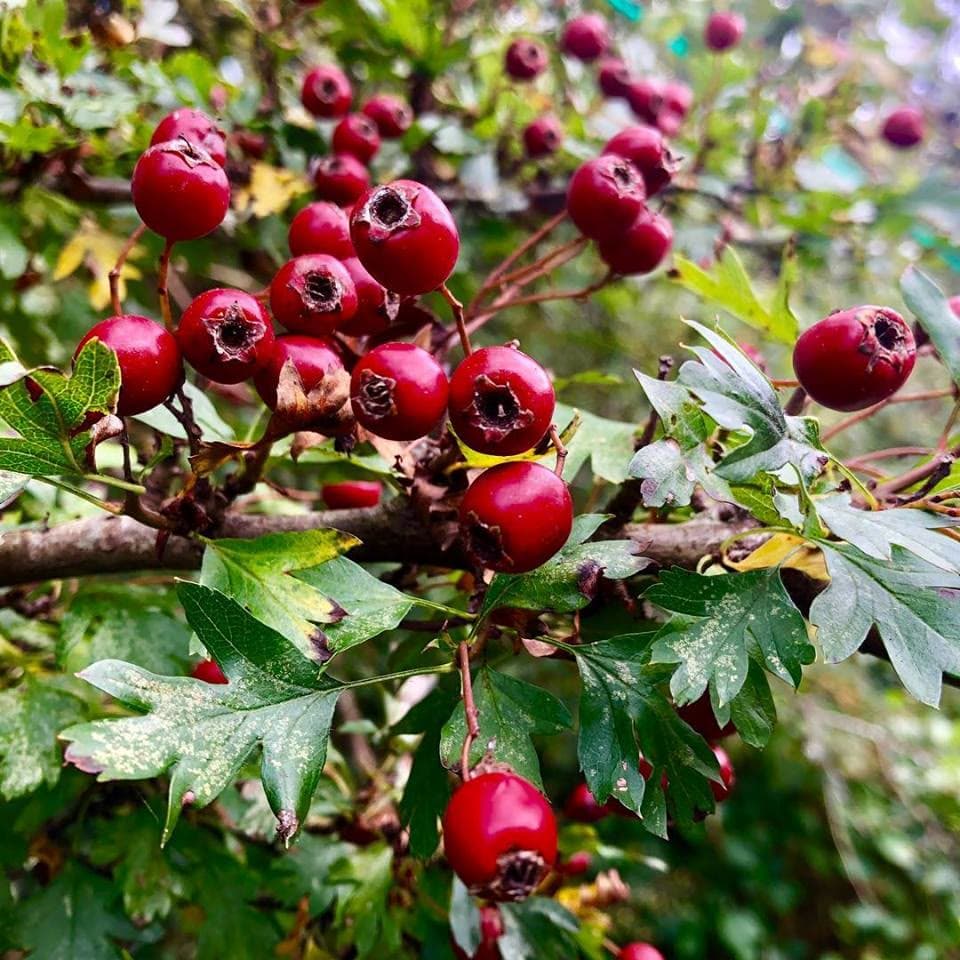
Hawthorn
Hawthorn (Crataegus monogyna) is a hedgerow tree traditionally valued as a herb for the heart. A botanical profile from Amina's herb database.
Read more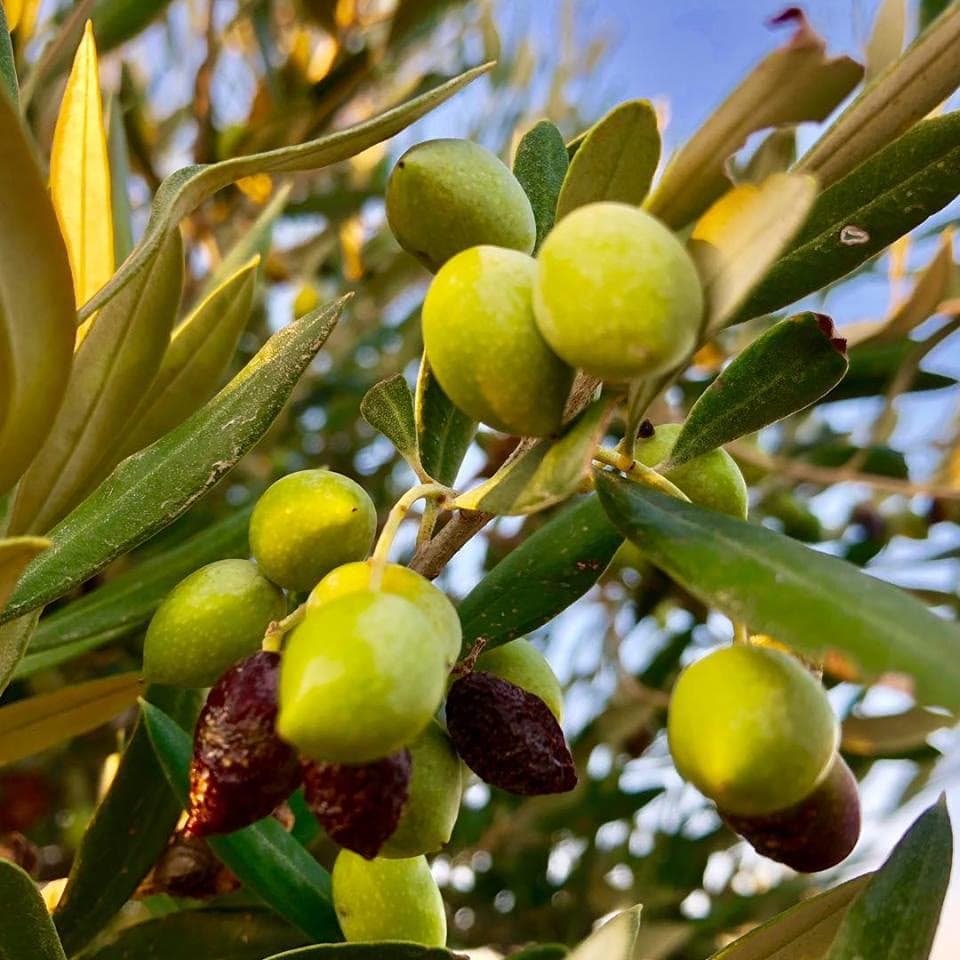
Olive Leaf (Olea europaea)
Olive leaf (Olea europaea) has a long Mediterranean tradition as a bitter tonic and antioxidant herb. A botanical profile from Amina's herb database.
Read more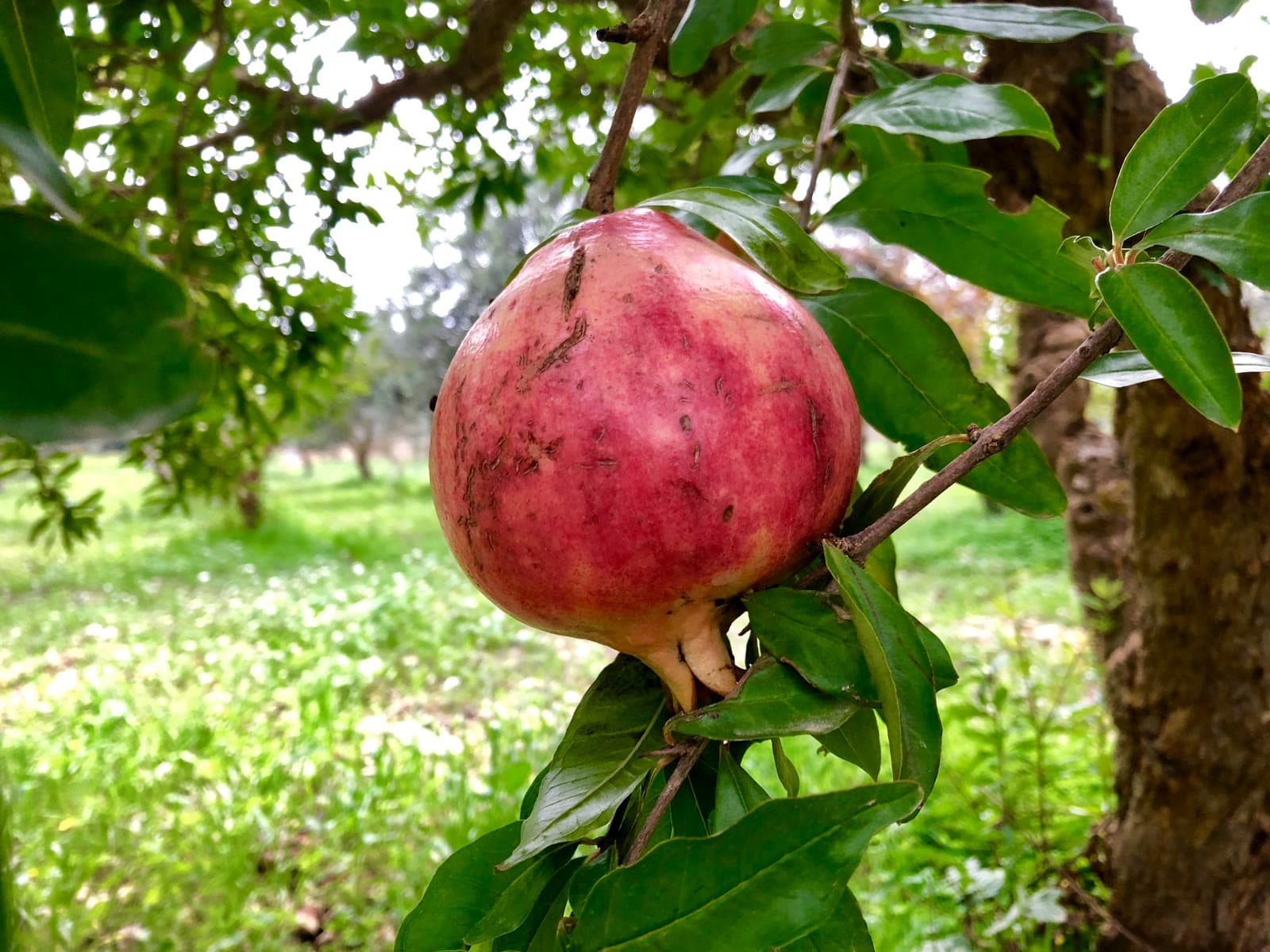
Pomegranate
Pomegranate (Punica granatum) is a richly coloured fruit traditionally valued as an antioxidant-rich tonic. A botanical profile from Amina's herb database.
Read moreReady to find some answers?
Book an initial consultation with Amina, online or by phone, Australia-wide.