Opuntia ficus-indica
Prickly Pear
Prickly pear (Opuntia ficus-indica) is a Mediterranean cactus rich in vitamin C and antioxidants, traditionally enjoyed as food and folk tonic. A botanical profile.
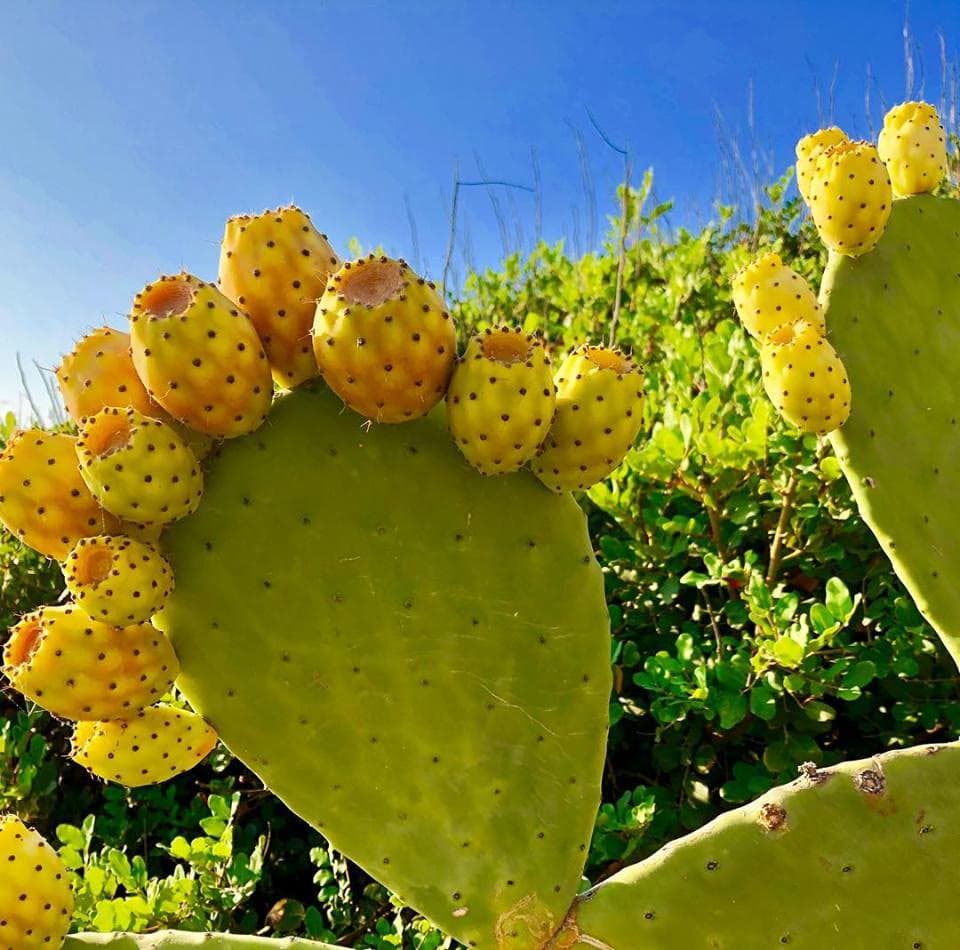
Prickly pear (Opuntia ficus-indica) is a striking cactus that thrives across the Mediterranean, though it is native to the Americas. Its pads store remarkable amounts of water, and its fruit is naturally rich in vitamin C, vitamin A, magnesium, manganese, potassium, iron and amino acids. Both the fruit and the flattened pads have a long history as food and folk remedy in the regions where the plant grows.
Traditional and historical use
Across Mediterranean and Central American cultures, prickly pear has traditionally been valued to:
- Provide a hydrating, nutrient-dense food rich in vitamin C and antioxidants
- Support general wellbeing as part of a varied wholefood diet
- Offer culinary use as fruit, jams and cooked pads
- Serve a practical role in the landscape as a hardy windbreak and hedging plant
In Greece and other Mediterranean areas, the fruit ripens at the end of summer. It is famously prickly to harvest, so a knife and fork is the wise approach. The flavour is quite tart fresh, and it is often described as more enjoyable when made into jams or preserves.
How Amina considers it
In Amina's practice, prickly pear is viewed primarily as a nourishing wholefood with an interesting nutritional profile rather than a stand-alone remedy. Where it features at all, it is considered only as one small part of an individualised plan that takes the whole person into account, alongside diet, lifestyle and any other herbs or supports that suit that person. Food-based choices like this can be woven into the broader picture explored during consultations.
Safety and considerations
Prickly pear is widely eaten as a food, which places it at the lower-risk end of the spectrum. That said, emerging research has explored its effect on blood sugar, so it is sensible for anyone taking medication for blood sugar to seek individual advice before adding it regularly. The fine spines (glochids) on the fruit and pads can irritate skin and mouth, so careful preparation matters. As with any plant, it is not appropriate for everyone and can interact with medications. Always seek advice from a qualified practitioner before use.
This profile is educational and describes traditional use. It is not a treatment recommendation.
More from the herb database
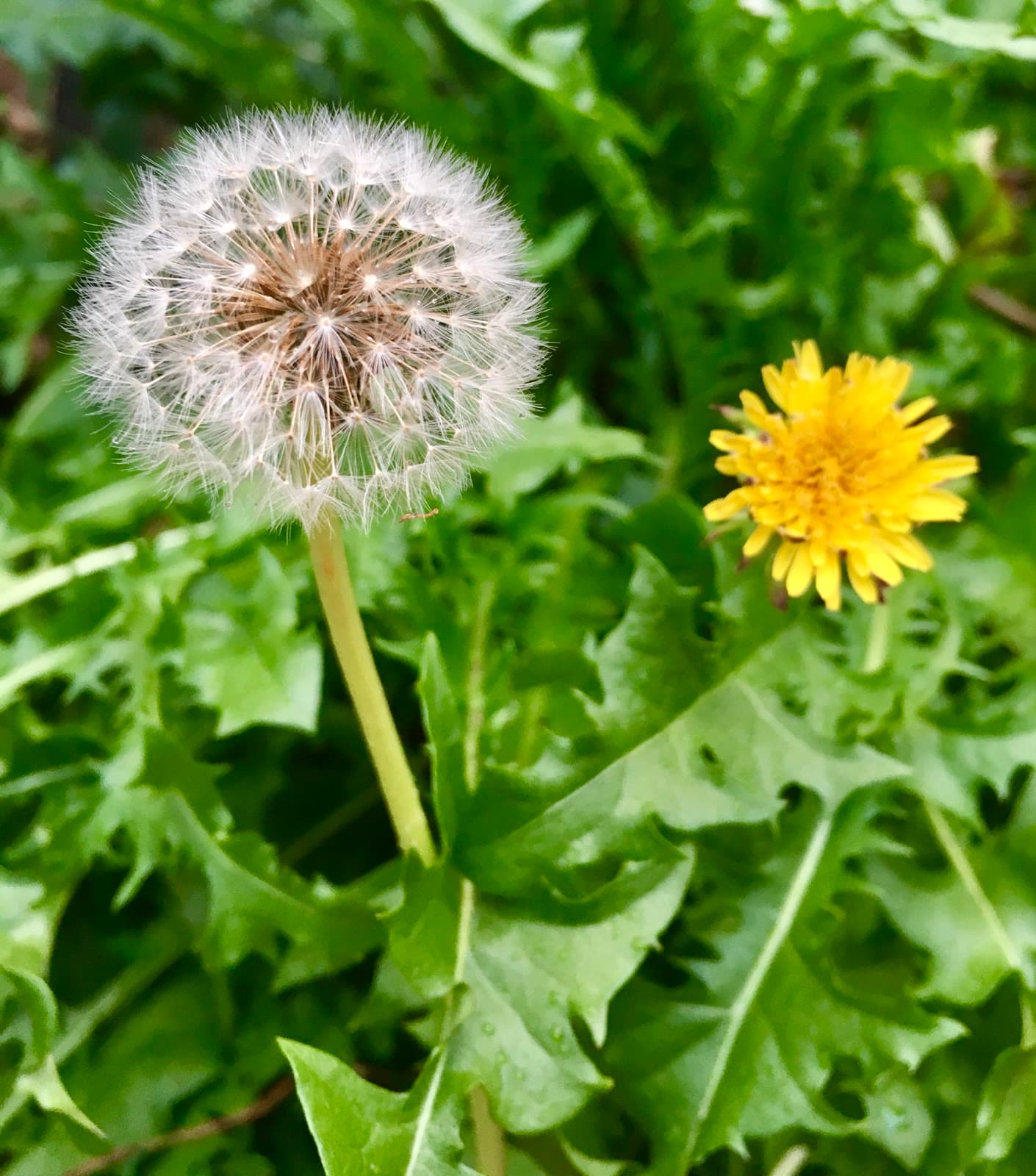
Dandelion
Dandelion is a nutrient-rich bitter herb traditionally used to support the liver, digestion and gentle fluid balance. A botanical profile from Amina's herb database.
Read more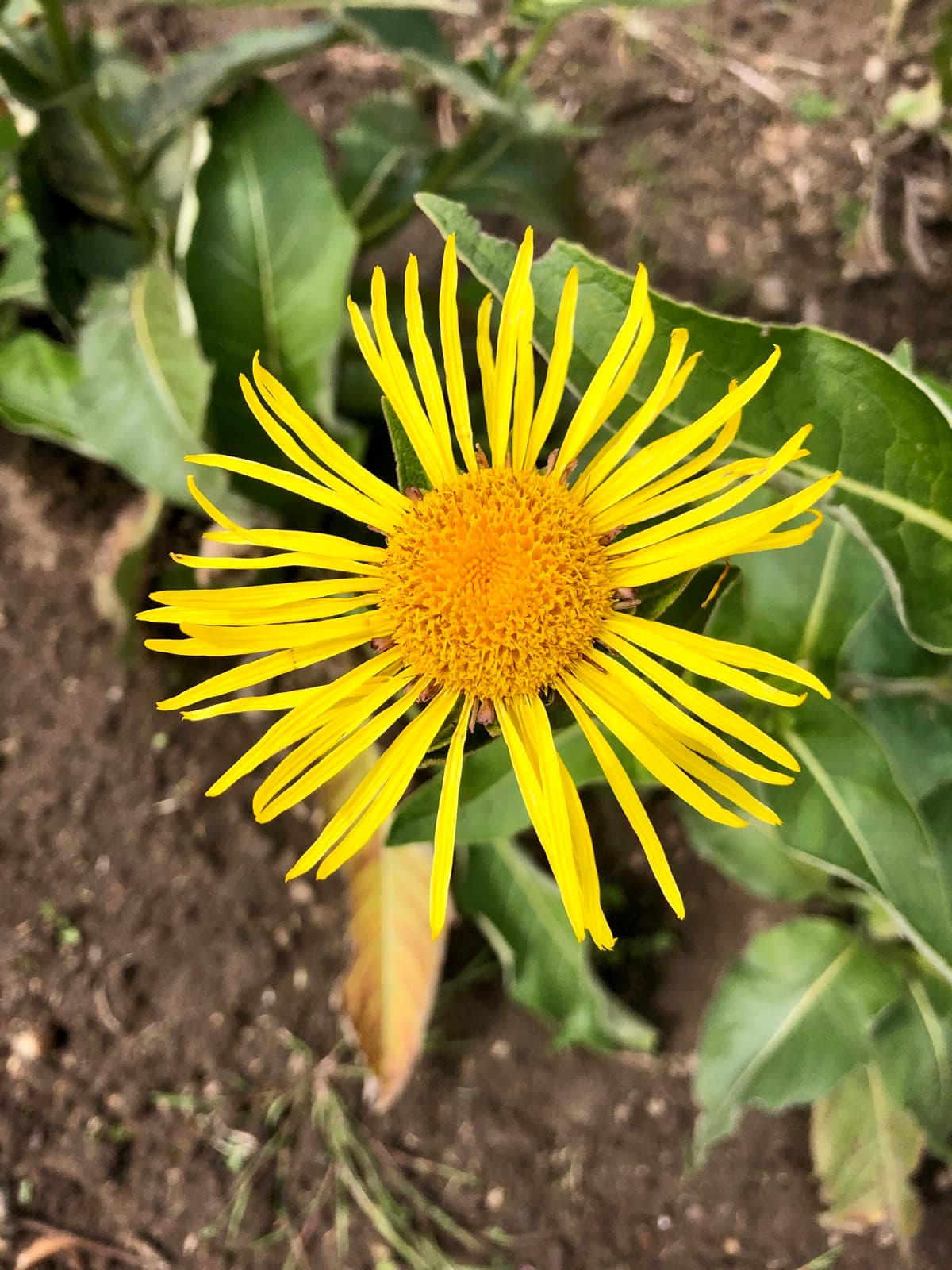
Elecampane
Elecampane (Inula helenium) is a traditional respiratory herb long valued by herbalists to support the lungs, soothe coughs and clear catarrh. A profile from Amina's herb database.
Read more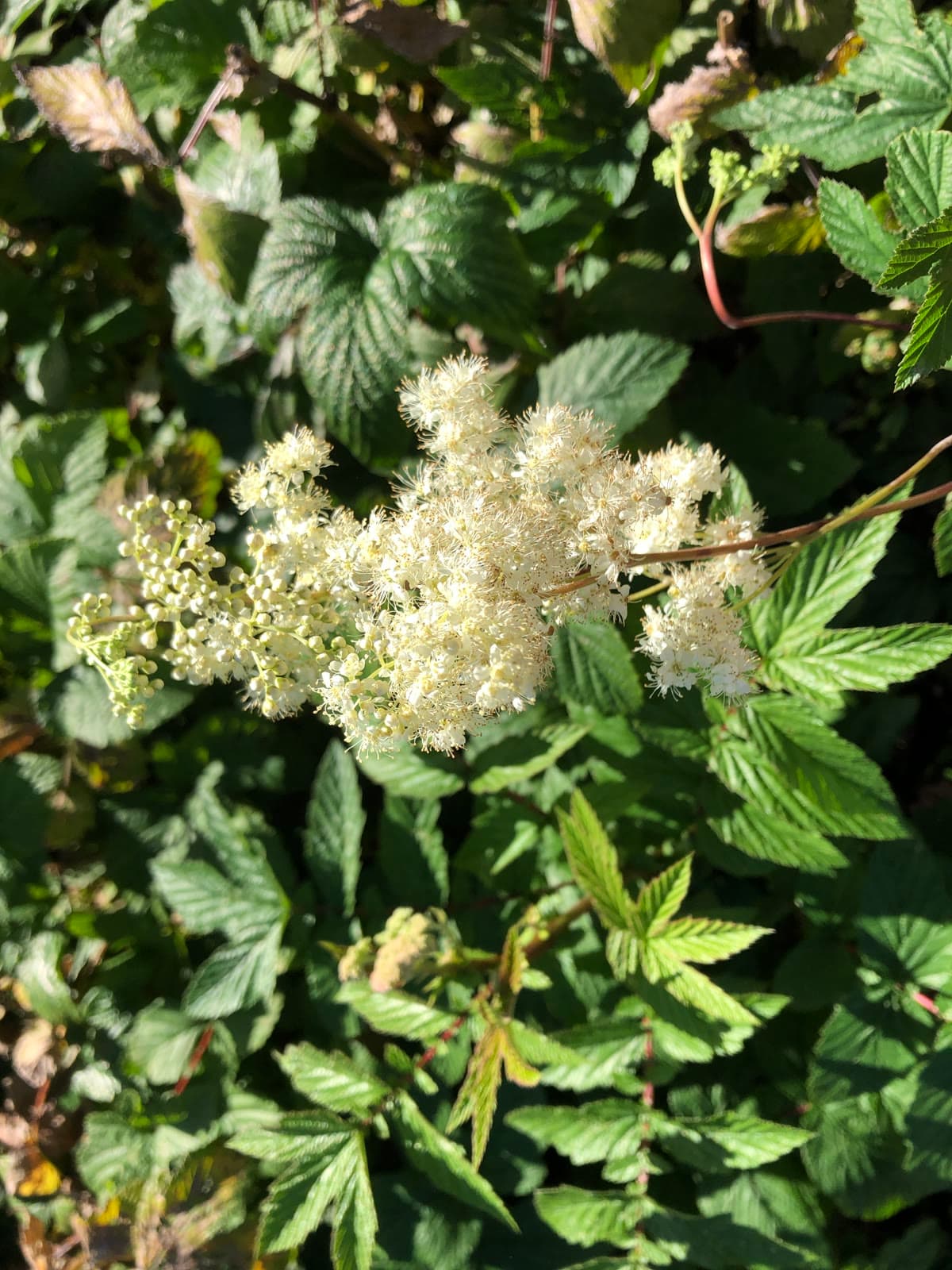
Meadowsweet
Meadowsweet (Filipendula ulmaria) is a gentle herb traditionally valued to support comfortable digestion and a settled, soothed digestive tract. A profile from Amina's herb database.
Read moreReady to find some answers?
Book an initial consultation with Amina, online or by phone, Australia-wide.