Artemisia annua
Qing Hao (Sweet Artemisia)
Qing hao (sweet Artemisia, Artemisia annua) is a bitter aromatic herb with a long traditional history. A botanical profile from Amina's herb database.
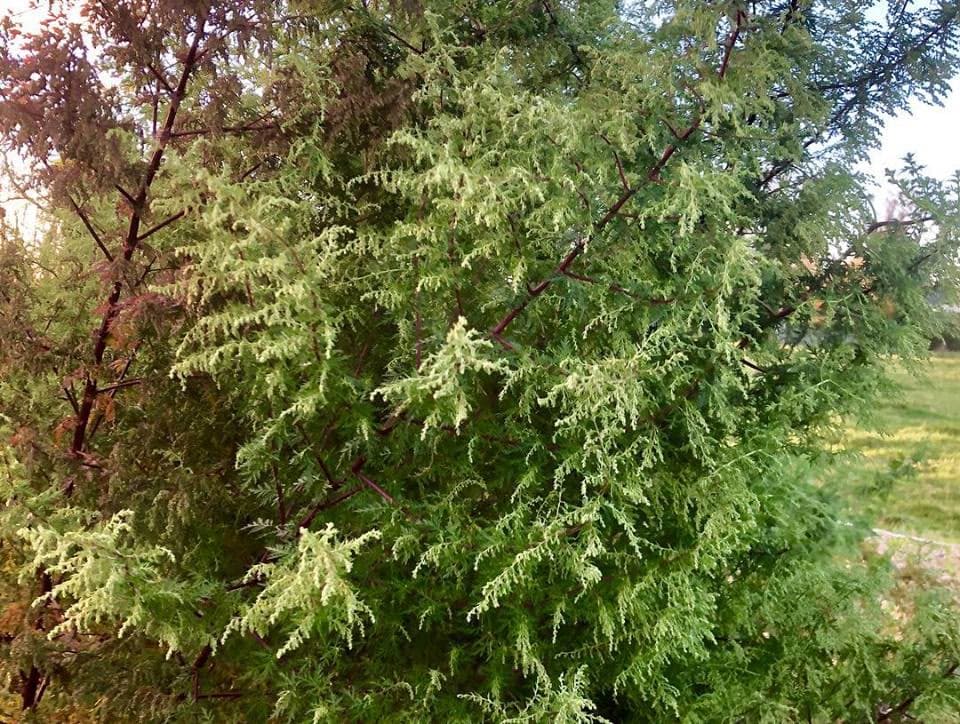
Qing hao, also known as sweet Artemisia, sweet Annie or Chinese wormwood, is an aromatic member of the daisy family with a long history of traditional use. Its botanical name is Artemisia annua, and the herb is still grown by dedicated herb growers, including the permaculture farms where Amina has spent time learning the plant first-hand.
Traditional and historical use
Across several herbal traditions, qing hao has been valued as a bitter, aromatic herb. Traditionally it has been associated with:
- Bitter tonic use, supporting the digestive system through its characteristic bitterness
- A cooling, aromatic character in classical Chinese herbal practice
- Historical use in feverish and warm-weather conditions
- A long folk reputation as a "golden" herb among herbalists who work with microbial terrain
These descriptions reflect historical and traditional understanding of the plant rather than any modern clinical claim.
How Amina considers it
In Amina's practice, qing hao is one of many herbs that may be considered as part of a broader, individualised plan, often where a person is working with stealth infections or the kind of complex picture seen alongside Lyme disease. It is chosen carefully, in measured amounts and never in isolation, and it is always woven into a wider strategy that supports the whole person. Any decision to use it is made on a case-by-case basis through a personalised consultation.
Safety and considerations
Qing hao is a potent herb and is not suitable for everyone. It is traditionally avoided in pregnancy and breastfeeding. As a member of the daisy (Asteraceae) family, it may not suit those who are sensitive to related plants, and prolonged or continuous use is generally not recommended. Because its effects can be noticeable, herbalists often use it in short, pulsed periods rather than continuously. It can interact with medications, so always seek advice from a qualified practitioner before use. If you would like tailored guidance, please get in touch.
This profile is educational and describes traditional use. It is not a treatment recommendation.
More from the herb database
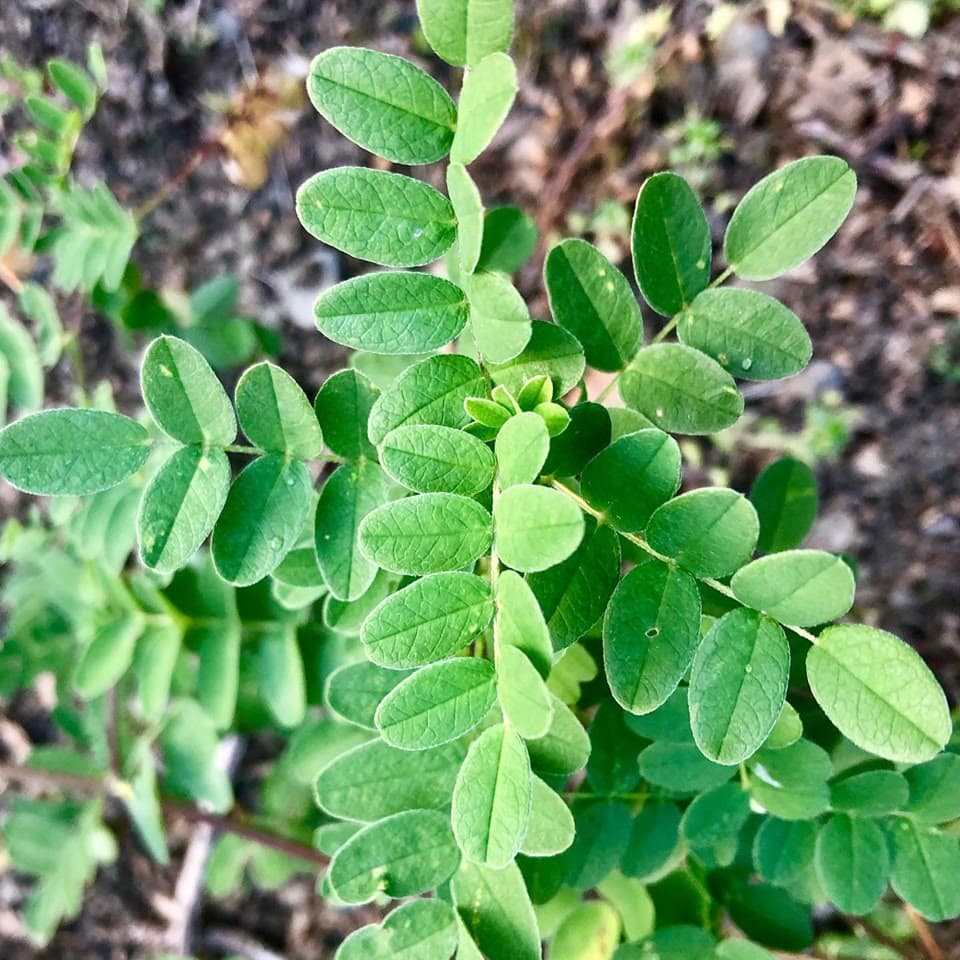
Astragalus
Astragalus is a classic tonic herb traditionally used to support immune resilience, energy and the cardiovascular system. A botanical profile from Amina's herb database.
Read more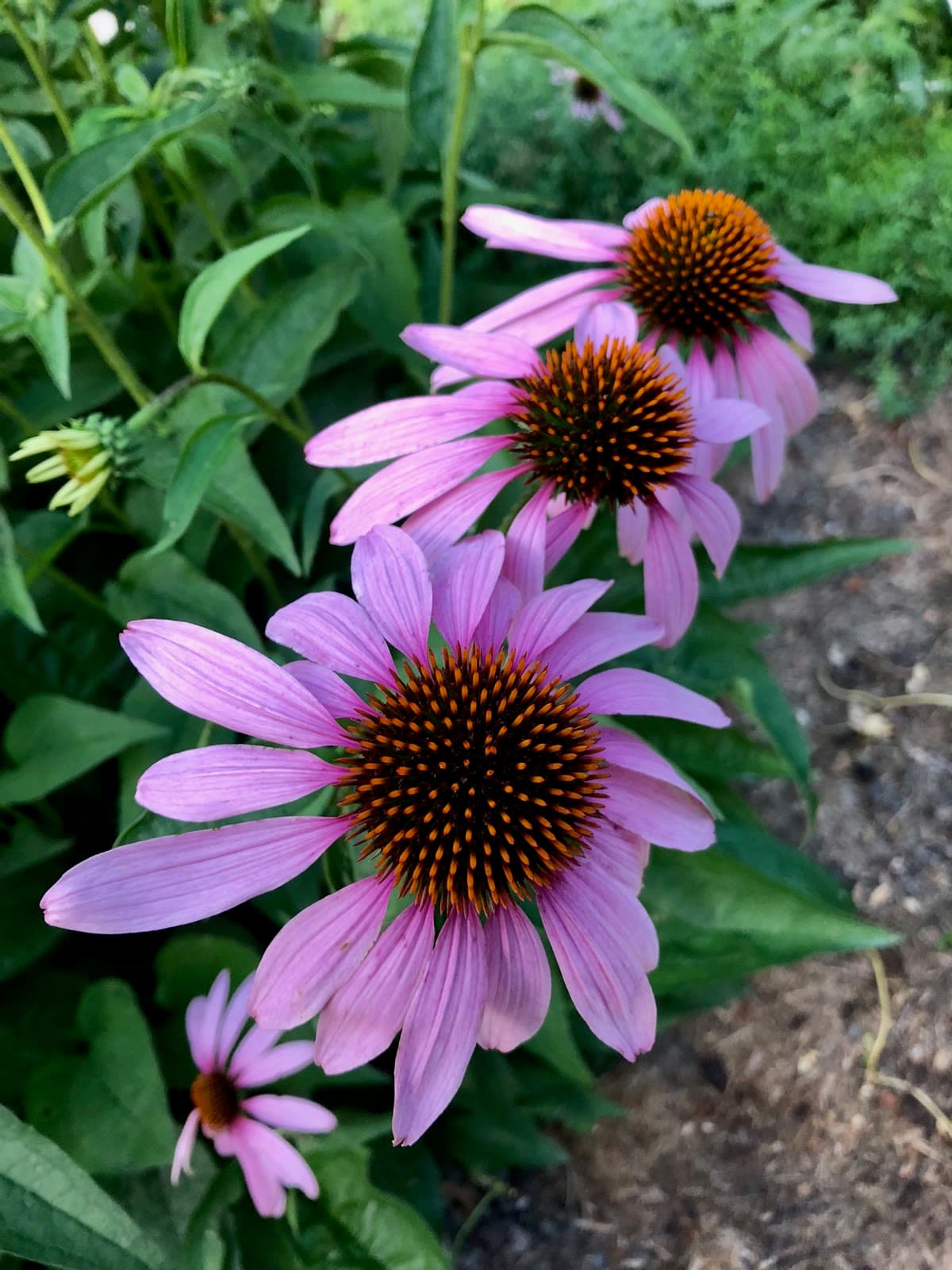
Echinacea
Echinacea is a celebrated immune herb traditionally used to support the immune system, the lymphatics and the skin. A botanical profile from Amina's herb database.
Read more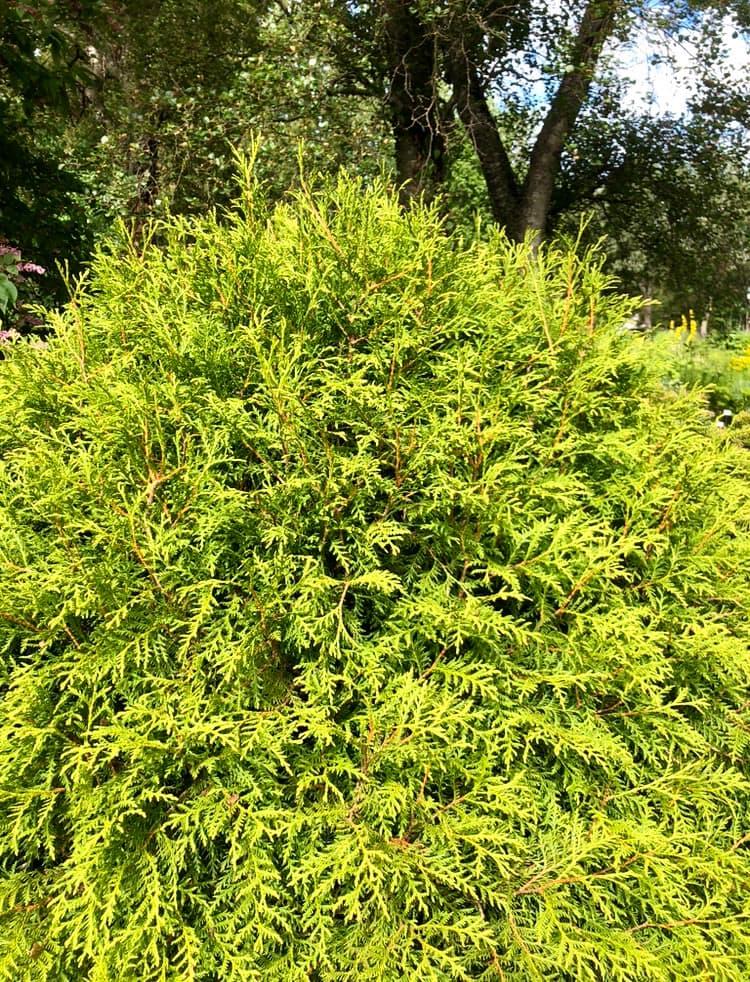
Thuja
Thuja (Thuja occidentalis) is an evergreen traditionally valued as an antimicrobial and depurative herb. A botanical profile from Amina's herb database.
Read moreReady to find some answers?
Book an initial consultation with Amina, online or by phone, Australia-wide.